Understanding Electrical Maintenance
What Is Electrical Maintenance?
Electrical maintenance refers to the systematic inspection, testing, and upkeep of electrical systems in residential, commercial, and industrial settings. This process involves checking electrical installations, equipment, and appliances to ensure they operate safely and efficiently. Regular electrical maintenance prolongs the lifespan of electrical components, enhances energy efficiency, and mitigates the risks of electrical failures or hazards. By prioritizing electrical maintenance, facilities can maintain a safe environment and avoid costly repairs or damages down the line.
Importance of Regular Electrical Maintenance
Regular electrical maintenance is crucial for several reasons. First and foremost, it significantly enhances safety by identifying and rectifying potential hazards, such as short circuits or overloaded circuits. According to a study, electrical malfunctions are among the leading causes of residential fires, emphasizing the need for regular checks. Additionally, preventative maintenance can lead to considerable savings by minimizing the likelihood of emergency repairs, which are often much more expensive. Finally, ensuring that electrical systems are properly maintained can lead to improved energy efficiency, reducing utility costs for homes and businesses alike.
Common Electrical Systems Requiring Maintenance
Several key electrical systems require regular maintenance to function optimally:
- Wiring and Circuits: Inspections can help identify frayed wires or overheating circuits, which pose serious risks.
- Electrical Panels: A well-maintained panel ensures safe operation without the risk of overloads.
- Lighting Systems: Regular checks ensure lights are functioning properly and improve energy efficiency.
- Outlets and Switches: These components should be examined for wear and tear to prevent electrical shocks and fires.
- Grounding Systems: Proper grounding is essential for safety and must be regularly tested.
Best Practices in Electrical Maintenance
Tools and Equipment for Electrical Maintenance
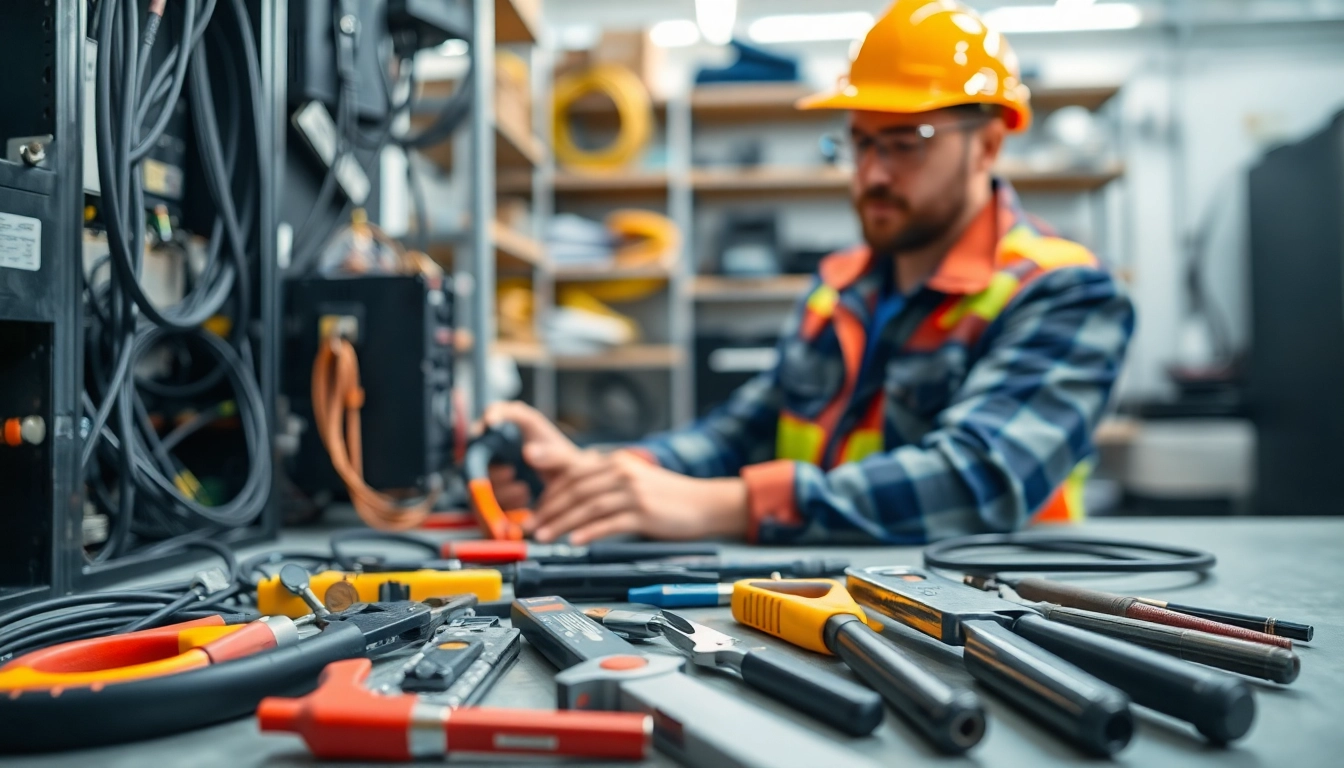
The effectiveness of electrical maintenance often hinges on utilizing the right tools and equipment. Essential tools include:
- Multimeters: To measure voltage, current, and resistance, helping in diagnosing electrical issues.
- Insulation Testers: These ensure that insulation around wires is intact and effective.
- Voltage Testers: Non-contact voltage testers are invaluable for safe troubleshooting.
- Wire Strippers and Crimpers: Necessary for maintaining proper connections and repairs.
- Safety Gear: Personal protective equipment (PPE) like gloves and goggles must be a staple for safety.
Safety Protocols to Follow
Safety must remain the top priority during electrical maintenance. Some critical protocols include:
- Lockout/Tagout Procedures: These are essential for ensuring that equipment is properly shut off and not able to be started up again until maintenance is completed.
- Personal Protective Equipment (PPE): Electrical gloves and insulated footwear can prevent severe shocks.
- Proper Training: Regular training in electrical safety allots workers with knowledge about hazards and safety measures.
- Documentation: Keeping detailed records of maintenance procedures carried out is vital for safety and future reference.
Scheduling Electrical Maintenance: Frequency and Timing
To maintain optimal safety and system performance, scheduling electrical maintenance effectively is essential. The frequency of checks can depend on the type of facility:
- Residential Properties: Typical recommendations call for annual checks to ensure all systems are functional and safe.
- Commercial Buildings: Given their extensive electrical systems, quarterly or biannual maintenance is advisable.
- Industrial Facilities: For high use and high-risk areas, monthly inspections and maintenance are often required.
It’s also beneficial to align maintenance schedules with operational downtimes to minimize disruptions.
Common Challenges in Electrical Maintenance
Identifying Issues Before They Escalate
One of the primary challenges in electrical maintenance is identifying issues before they escalate into critical failures. Implementing regular inspection protocols can mitigate this risk. Additionally, utilizing technology such as monitoring systems can alert maintenance personnel to potential problems, enabling proactive rather than reactive measures.
Managing Electrical Maintenance Costs
Cost management is another significant challenge. Financial constraints may lead to neglected maintenance, resulting in more expensive repairs. Companies can adopt a scheduled maintenance approach, which allows them to distribute costs over time effectively. Analyzing maintenance data can help identify cost-effective practices and prioritize essential services.
Training Staff on Electrical Safety and Maintenance
Ensuring that staff are well-trained in electrical safety and maintenance practices is crucial. A lack of knowledge can lead to dangerous situations and increase the risk of accidents. Regularly updated training programs help ensure employees are informed of the latest safety protocols and maintenance techniques.
Innovative Solutions for Efficient Electrical Maintenance
Leveraging Technology in Electrical Maintenance
Utilizing technology such as automated systems for monitoring and maintenance can significantly enhance electrical maintenance efforts. Tools such as computerized maintenance management systems (CMMS) streamline inspections, track maintenance history, and schedule future work, ensuring that no critical task is overlooked.
How IoT Enhances Electrical Maintenance
The Internet of Things (IoT) offers innovative solutions for electrical maintenance by connecting devices and allowing for real-time data gathering and analysis. Sensors can monitor equipment performance continuously, providing alerts about issues like overheating or equipment failure. This real-time monitoring assists in trending data that can predict when maintenance should be performed, thus minimizing downtime.
Using Data Analytics for Predictive Maintenance
Data analytics can transform traditional maintenance approaches into predictive models. By analyzing historical data, organizations can forecast equipment failures and schedule maintenance before issues occur. This proactive approach not only enhances safety and efficiency but also translates into cost savings by avoiding unplanned downtime and emergency repairs.
Measuring the Success of Electrical Maintenance
Key Performance Indicators for Electrical Maintenance
Measuring the success of electrical maintenance involves tracking key performance indicators (KPIs) including:
- Downtime: Measuring the time electrical systems are non-operational due to maintenance or failures.
- Repair Costs: Tracking the costs associated with routine maintenance versus emergency repairs.
- Equipment Longevity: Analyzing how maintenance impacts the lifespan of electrical components.
- Compliance Rates: Ensuring maintenance activities align with safety regulations and standards.
Evaluating Cost Savings and Efficiency Gains
Organizations should regularly evaluate their cost savings and efficiency gains resulting from electrical maintenance. By comparing historical data on repair costs and operational efficiency, facilities can determine whether their maintenance strategies are yielding financial benefits and improved performance. This analysis helps justify ongoing investment in maintenance activities.
Feedback Mechanisms for Continuous Improvement
Incorporating feedback mechanisms into electrical maintenance strategies is vital for continuous improvement. Surveys, review meetings, and performance assessments can provide valuable insights into the effectiveness of maintenance practices, allowing organizations to adjust and enhance their approaches accordingly.
Frequently Asked Questions
What is the frequency of electrical maintenance required?
The frequency of electrical maintenance varies based on the setting. Residential buildings typically require annual checks, while commercial properties may need maintenance semi-annually or quarterly, and industrial settings often necessitate monthly inspections.
What tools are essential for electrical maintenance?
Essential tools include multimeters, insulation testers, voltage testers, wire strippers, and appropriate safety gear like gloves and goggles to ensure safe working conditions during maintenance.
How can technology enhance electrical maintenance?
Technology, including automated monitoring systems and IoT devices, provides real-time data on system performance, enabling proactive maintenance to identify issues before they result in failures.
What are the main challenges in electrical maintenance?
Key challenges include identifying issues before they escalate, managing maintenance costs effectively, and ensuring staff are adequately trained in safety protocols and maintenance practices.
How do organizations measure the success of electrical maintenance?
Success is evaluated using key performance indicators (KPIs) such as equipment downtime, repair costs, equipment longevity, and compliance rates with regulatory standards, helping to refine maintenance strategies.