Understanding Coating Corrosion Protection
Coating corrosion protection is a fundamental aspect of preserving the integrity of metal structures exposed to hostile environments. This process involves applying a protective layer to metal surfaces to shield them from degradation caused by environmental factors such as moisture, chemicals, and atmospheric conditions. Effective corrosion protection not only extends the lifespan of materials but can also result in significant cost savings for industries reliant on metal structures. An introductory understanding of coating corrosion protection is essential for professionals in maintenance, engineering, and construction.
What is Coating Corrosion Protection?
Coating corrosion protection refers to the application of chemical layers designed to prevent corrosion on various metal substrates. The main goal is to create a barrier that interrupts the electrochemical process that leads to corrosion, essentially sealing the metal from environmental aggressors. This process is crucial in various fields, including construction, automotive, aerospace, and marine applications where metal parts are subject to corrosive elements.
Types of Coatings Used for Corrosion Protection
There are several types of coatings used in corrosion protection, each with unique properties and applications. Understanding these differences is key to selecting the most appropriate product for a specific situation:
- Paints and Primers: These are commonly used coatings that provide a barrier against moisture and UV rays. They are often cost-effective and easy to apply on a variety of surfaces.
- Powder Coatings: Offering superior durability and aesthetic appeal, powder coatings provide a thick, protective layer that is baked onto the metal. They are highly resistant to scratches and chemicals.
- Epoxy Coatings: Renowned for their strong adhesion and chemical resistance, epoxy coatings are often applied in industrial settings, especially where metal is exposed to harsh chemicals.
- Polyurethane Coatings: These coatings are flexible and provide excellent UV resistance, making them suitable for outdoor applications.
- Cathodic Protection: This method involves applying a protective current to metal surfaces to inhibit corrosion processes, often used in pipelines and storage tanks.
Benefits of Implementing Coating Corrosion Protection
The benefits of implementing coating corrosion protection are manifold and can significantly impact operational efficiency and maintenance costs:
- Extended Lifespan: Protective coatings substantially extend the useful life of metal structures, delaying the need for replacements or repairs.
- Cost-Effectiveness: While there may be initial investment in coatings, the long-term savings on maintenance can be significant.
- Improved Safety: Corrosion can weaken structural integrity, leading to potential safety hazards. Coatings help maintain safety standards.
- Aesthetic Enhancement: Many coatings are designed to enhance the appearance of metal surfaces, adding aesthetic value to functional properties.
How to Choose the Right Coating for Corrosion Protection
Choosing the right coating for corrosion protection is crucial as it determines the effectiveness of the protective measures taken. Numerous factors come into play in this decision-making process.
Key Factors to Consider When Selecting Coatings
When selecting coatings, several factors must be considered to ensure optimal performance:
- Environment: Considerations such as temperature fluctuations, humidity, exposure to chemicals, and UV radiation are crucial in determining the right coating.
- Substrate Material: Different metals may react differently to various coatings; therefore, it's essential to consider the metal type when choosing a coating.
- Application Method: The chosen application method—whether brush, spray, or dip—can greatly influence which coating is suitable.
- Cost: Evaluating the total cost, including application and maintenance, can help in decision-making.
Evaluating Performance Metrics of Coatings
Performance metrics for coatings involve various criteria that assess how well a coating will perform over time:
- Adhesion: A proper coating should adhere well to the substrate without peeling or flaking over time.
- Corrosion Resistance: The coating should provide a strong barrier to corrosive elements.
- Durability and Hardness: Coatings should be resistant to mechanical damage and abrasion.
- Ease of Maintenance: Coatings that require minimal upkeep are often more desirable in the long run.
Common Pitfalls in Coating Selection
Understanding common mistakes made during coating selection can help avoid costly errors:
- Overlooking Surface Preparation: Skipping proper preparation can lead to coating failure.
- Ignoring Environmental Conditions: Selecting a coating without considering environmental factors can result in premature coating degradation.
- Cost Over Quality: While budget constraints are important, compromising on quality can lead to more significant expenses down the line due to failures.
Application Methods for Coating Corrosion Protection
Once the appropriate coating has been chosen, the application process must be precisely executed to ensure the effectiveness of the corrosion protection. Each method comes with its own set of instructions and safety protocols.
Surface Preparation for Effective Coating
Proper surface preparation is essential for successful coating application. Neglecting this step can lead to adhesion failure. The preparation process typically involves:
- Cleaning: Removal of dirt, grease, and old paint is crucial. This can be achieved through various methods such as solvents, pressure washing, or sandblasting.
- Repairing Damages: Pre-existing issues like rust or pitting should be addressed to prevent their progression under the new coating.
- Priming: Using a primer can enhance adhesion and improve overall coating effectiveness.
Different Application Techniques Explained
Several techniques can be employed for applying coatings, including:
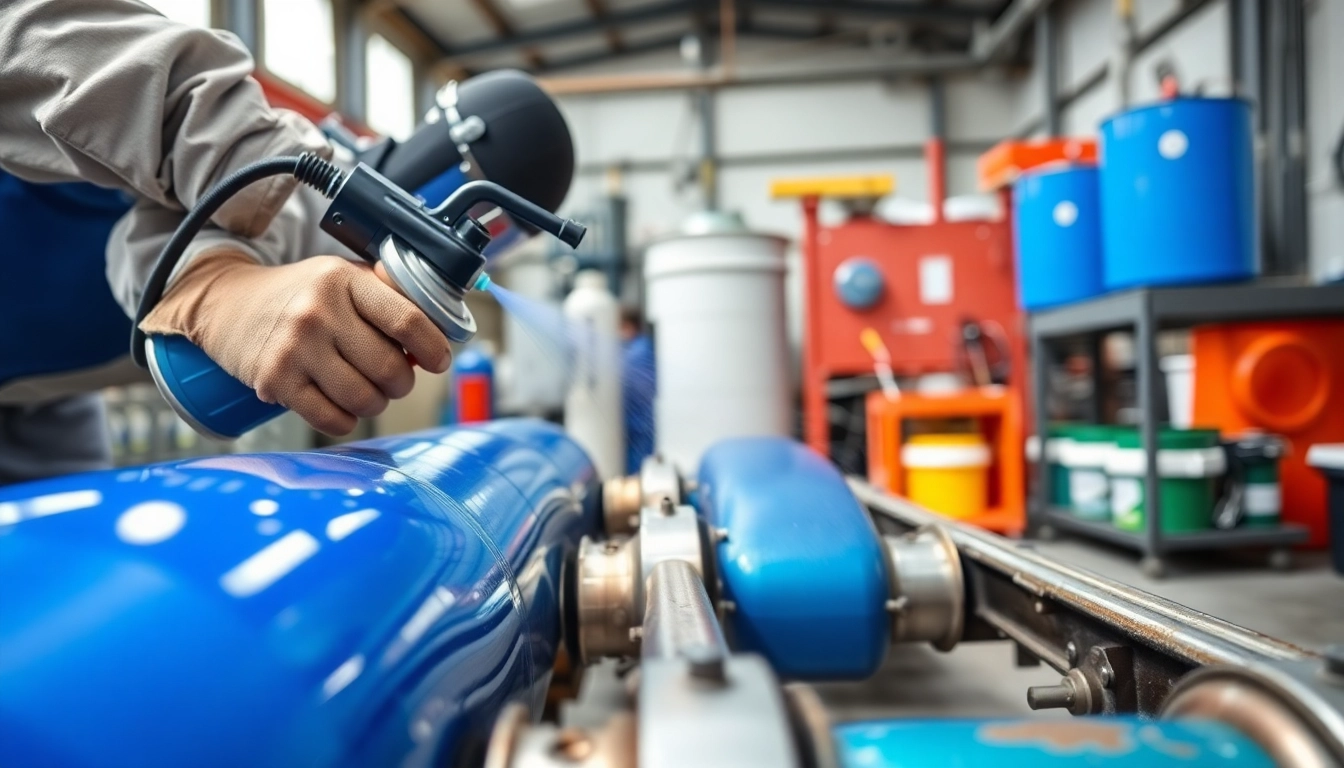
- Spray Application: This method provides an even layer and is great for large surfaces, but requires skilled operators to avoid overspray.
- Brush Application: A more controlled method that is ideal for small areas or detailed work.
- Dip Coating: Components are submerged in a coating liquid, ensuring full coverage, but it requires careful design considerations to ensure that the coating doesn't trap air or moisture.
Safety Measures During Application
Applying coatings involves chemical substances and potentially hazardous materials. Safety measures should include:
- Protective Gear: Operators should wear appropriate personal protective equipment (PPE) such as gloves, masks, and goggles.
- Ventilation: Ensure that the area is well-ventilated to prevent the buildup of fumes.
- Training: Staff involved in coating applications should be properly trained in safety procedures and equipment use.
Maintenance for Long-lasting Coating Corrosion Protection
Regular maintenance is essential to ensure that the protective coatings remain effective over time. Implementing a thorough maintenance schedule can help in mitigating potential issues.
Regular Inspection Procedures
Regular inspections should be performed to monitor the condition of the coatings. These inspections can help identify problems such as:
- Peeling or Flaking: Signs of deterioration that require immediate attention to prevent further corrosion.
- Rust Development: Early detection of rust can lead to timely repairs and maintenance.
- Physical Damage: Abrasions or impacts that may compromise the protective film should be noted.
Repairing Damages to Protective Coatings
If any defects are found during inspections, following a clear repair methodology will ensure longevity. Repairing coatings typically involves:
- Surface Cleaning: Cleaning the damaged area to remove contaminants.
- Touch-up Applications: Applying a fresh layer of the appropriate coating to the identified area.
- Re-inspection: Post-repair, the area should be re-inspected to ensure proper adhesion and coverage.
Maintaining Coatings in Harsh Environments
Harsh environments necessitate more rigorous maintenance protocols. Factors to consider include:
- Frequent Inspections: Increase the frequency of inspections in environments with aggressive chemicals or sea salt exposure.
- Additional Shields: Consider applying additional protective layers or barriers for high-risk areas.
- Environmental Controls: Where applicable, control factors such as humidity in storage or operational environments.
Future Trends in Coating Corrosion Protection
As technology evolves, so do the techniques and materials used in coating corrosion protection. Keeping abreast of industry trends is necessary for leveraging the latest advances in this field.
Innovations in Coating Technologies
Innovative coating technologies are constantly being developed, focused on improving durability, reducing costs, and enhancing usability. Some of the notable advancements include:
- Smart Coatings: Coatings that can detect damage and respond accordingly, either through self-healing properties or through color changes indicating wear.
- Nano-coatings: These coatings utilize nanoparticles to improve physical and chemical properties, resulting in coatings that are thinner but highly effective.
- Biodegradable Coatings: Eco-friendly options that reduce environmental impact while providing adequate protection against corrosion.
Sustainable Practices in Corrosion Protection
Sustainability is a growing concern in every industry. The corrosion protection sector is no exception, with an increasing emphasis on:
- Green Coatings: Formulations that are free of harmful solvents and chemicals, prioritizing human health and environmental safety.
- Life Cycle Assessment: Evaluating the environmental impact of coatings from production to disposal, leading to better choices for manufacturers and consumers alike.
The Impact of Digital Solutions in Coating Applications
The integration of digital technologies into the coating application process is transforming traditional methodologies. Examples of this trend include:
- IoT Monitoring: Sensors that provide real-time data on how coatings are performing, allowing for more proactive maintenance.
- Predictive Analytics: Utilizing data to forecast potential failures or maintenance needs, leading to planned downtimes rather than emergency repairs.