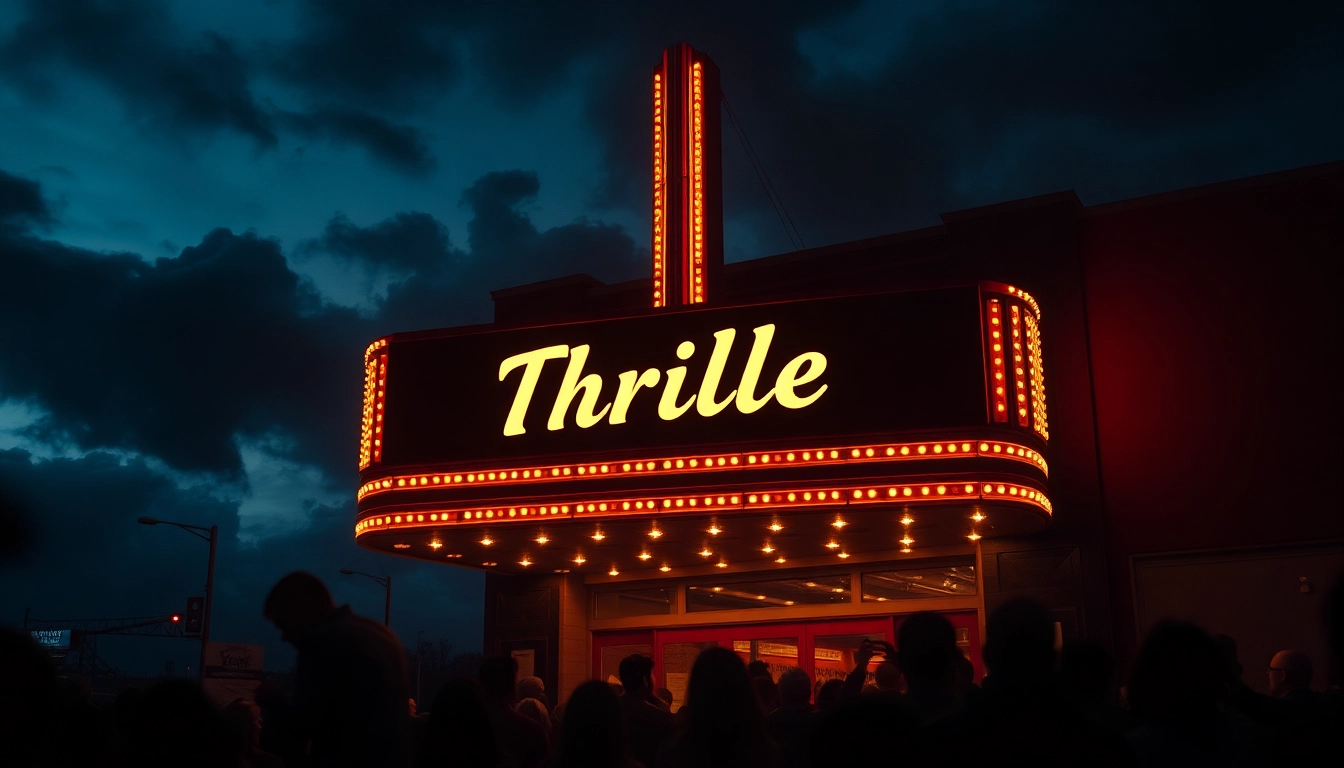
Understanding the Thriller Genre
The Thriller genre stands as one of the most captivating categories in both literature and film. It hinges on creating an atmosphere laden with suspense, tension, and unexpected revelations that keep audiences glued to the edges of their seats. But what exactly defines a thriller, and how have these narratives evolved over time? This article delves into the thrilling world of thrillers, exploring their unique characteristics, historical evolution, crafting techniques, prevalent tropes, and their impacts on popular culture.
What Defines a Thriller in Literature and Film?
At its core, a thriller is defined by its ability to provoke a strong emotional response, primarily through suspense and excitement. Unlike other genres, thrillers focus on making the viewer or reader feel anxious and engaged, often drawing them into a fast-paced narrative filled with high stakes and tension. Common features of thrillers include:
- Intense Protagonists: The main characters are often complex, flawed individuals facing dire situations that tests their limits.
- High Stakes: Whether it’s life and death or exposure of secrets, the stakes in a thriller are typically significant.
- Unpredictable Plots: Twists, cliffhangers, and red herrings are used effectively to keep the audience guessing.
- Psychological Elements: Many thrillers explore the human mind, delving into fears, motivations, and moral dilemmas.
Key Elements That Create Suspense
Creating suspense in a thriller is an art. Here are some essential elements that contribute to this:
- Foreshadowing: Dropping subtle hints about future events can build anticipation.
- Timing: Carefully pacing the story, by balancing fast-paced scenes with slower moments, enhances tension.
- Character Development: Deepening readers’ or viewers’ understanding of characters adds emotional stakes, making outcomes more impactful.
- Setting: A well-crafted setting can enhance the mood and create an atmosphere ripe with fear and uncertainty.
Popular Subgenres within Thrillers
The thriller genre encompasses various subgenres, each offering its own flavor of suspense and excitement. Some of the most popular include:
- Psychological Thrillers: These focus on the mental and emotional struggles of characters, often blurring the line between reality and illusion.
- Crime Thrillers: Featuring law enforcement and criminal elements, these stories revolve around investigations and the pursuit of justice.
- Action Thrillers: Fast-paced and full of stunts, these often involve chases, battles, and explosive confrontations.
- Supernatural Thrillers: Linked with elements beyond the human realm, these stories dive into horrors that challenge very notion of reality.
- Technological Thrillers: These novels or films explore the impacts and potential dangers of technology, often revolving around espionage and cyber-crimes.
The Historical Evolution of Thrillers
The evolution of thrillers has been marked by significant changes in storytelling techniques, audience expectations, and cultural influences. Understanding this evolution allows us to appreciate modern thrillers fully.
A Brief Overview of Thrillers Through the Decades
Thrillers have roots that can be traced back centuries. Early examples may include gothic novels that employed terror and suspense. However, the modern thriller genre began to take shape in the early 20th century, characterized by:
- The 1920s-1940s: With the advent of film, thrillers became an essential part of cinema. The works of Alfred Hitchcock rose to prominence, establishing many conventions of the genre.
- The 1950s-1970s: The post-war period introduced darker themes. Psychological thrillers gained popularity, with literature by figures like Patricia Highsmith exploring the human psyche.
- The 1980s-2000s: The genre became mainstream, with blockbusters such as "Silence of the Lambs" showcasing the blend of horror and thrill.
- 2000s-Present: The rise of technology has brought about new forms of thrillers, with online platforms allowing for creative storytelling formats including immersive experiences and multimedia narratives.
Notable Authors and Filmmakers Who Shaped the Genre
Throughout its history, several authors and filmmakers have played a pivotal role in shaping the thriller genre. Notable contributors include:
- Agatha Christie: Renowned for her crime thrillers featuring brilliant plot twists and compelling characters.
- Stephen King: His forays into suspenseful storytelling often merge horror with psychological elements.
- Alfred Hitchcock: Widely credited as the master of suspense, Hitchcock’s films laid down the foundation of cinematic thrillers.
- David Fincher: His modern films often explore dark themes intricately woven into thrilling narratives.
- Gillian Flynn: Emerging in recent years, her novel "Gone Girl" became a massive success, redefining contemporary psychological thrillers.
The Rise of Psychological and Action Thrillers
While thrillers can encompass a broad range of themes, psychological and action thrillers have recently gained significant traction. The former often delves into complex emotional landscapes and moral ambiguity, resonating with audiences who appreciate character-driven narratives. In contrast, action thrillers provide high-energy narratives filled with pursuits, battles, and increasingly intricate scenarios.
Crafting a Compelling Thriller Narrative
Writing a thriller requires not only creativity but also a detailed understanding of narrative structure and character development. A compelling thriller engages the audience provocatively while continually evolving.
Essential Plot Structures for Thrillers
Creating tension and excitement in thrillers often relies on effective plot structures. Here are a few key frameworks employed by successful writers:
- The Three-Act Structure: Divide the story into setup, confrontation, and resolution, ensuring each act propels the narrative forward while maintaining suspense.
- The Hero's Journey: This involves a protagonist who embarks on an adventure, faces obstacles, and ultimately transforms, often leading to thrilling outcomes.
- Nonlinear Narratives: These structures can create unexpected connections and surprises, enhancing the experience by keeping audiences guessing about the timeline.
Creating Complex Characters That Captivate
Thrillers thrive on well-developed characters that instill a sense of empathy and connection in audiences. Here’s how to create captivating characters:
- Flaws and Motivations: Giving characters relatable flaws and clear motivations creates depth and allows audiences to invest in their journeys.
- Archetypes: Utilizing character archetypes can help quickly establish roles, but ensure they are layered to avoid predictability.
- Dynamic Relationships: Develop interactions that evolve over time, which will contribute to tension and conflict, driving the narrative.
Incorporating Twists and Turns Effectively
One of the defining features of a successful thriller is its ability to surprise. Here are some tips for effectively integrating twists:
- Plant Clues: Foreshadowing can lead to satisfying twists. Place subtle hints earlier in the narrative to make the reveal more impactful.
- Subvert Expectations: Just when the audience thinks they have a grasp on where the story is heading, introduce a twist that challenges their assumptions.
- Maintain Pace: Ensure that the twists do not drag down the narrative flow; they should serve to heighten tension, not disrupt momentum.
Thriller Tropes: What Works and What to Avoid
Tropes can enhance a thriller when used judiciously. However, they can also lead to clichés if not approached thoughtfully. Recognizing which tropes to embrace or subvert is crucial for crafting a unique narrative.
Commonly Used Trope Examples in Thrillers
Some frequently encountered tropes in thrillers include:
- The Unlikely Hero: A character who appears unfit or untrained but ultimately rises to meet challenges.
- Time Crunch: A ticking clock that adds urgency to the narrative, forcing characters to make rapid decisions.
- Hidden Motives: A character’s concealed intentions that are gradually revealed, creating layers of intrigue.
How to Subvert Expectations in Your Thriller
Subversion involves twisting common tropes to keep audiences engaged. Some techniques for subverting expectations are:
- Inverted Roles: Flip traditional roles, such as making the antagonist the protagonist, revealing their complex motivations.
- Change the Effect: Allow a common trope, like the “big reveal,” to lead to unexpected outcomes, challenging audience assumptions.
- Build Empathy: Provide backstory for characters that skews how audiences perceive them, creating moral complexity.
Effective Use of Foreshadowing
Foreshadowing can enhance a thriller’s complexity and depth. Here’s how to use it effectively:
- Subtlety is Key: Ensure foreshadowed elements are not overt, allowing viewers to discover them upon reflection.
- Balanced Distractors: Introduce red herrings alongside real hints to heighten narrative tension.
- Maintain Consistency: Foreshadowed elements should make sense within the plot’s context to maintain the story's integrity.
The Impact of Thrillers on Popular Culture
The allure of thrillers extends beyond mere storytelling; they shape and reflect contemporary culture in a myriad of ways. Understanding their impact enables deeper insights into societal discourse.
Thriller Influence in Modern Cinema and Literature
Thrillers have significantly influenced both cinema and literature, leaving a lasting legacy:
- Cinematic Techniques: Directors employ innovative filming techniques to create immersive experiences, continuously pushing the boundaries of the genre.
- Literary Trends: With modern technology facilitating faster publication, authors are able to connect with readers seeking page-turning narratives.
- International Reach: The global appeal of thrillers has led to cross-cultural stories that resonate with diverse audiences, often transcending localized fears and narratives.
Exploring Audience Reactions to Thrillers
Understanding audience reactions is paramount, particularly in our increasingly interconnected world. Key aspects include:
- Emotional Investment: Thrillers often provoke strong emotional reactions, which can lead to discussions on ethical issues and moral dilemmas.
- Catharsis: Many audiences view thrillers as a means of experiencing fear in a controlled environment, providing a safe outlet for adrenaline and excitement.
- Engagement with Social Issues: Some thrillers tackle societal concerns such as crime, security, and psychological disorders, prompting viewers to reflect on broader implications.
The Future of the Thriller Genre in Media
As technology evolves, so too will the thriller genre. The future may present many possibilities:
- Interactive Experiences: With advancements in virtual and augmented reality, audiences may soon experience thrillers on an entirely new level.
- Diverse Voices: The rise of international writers and filmmakers is likely to bring fresh perspectives, further enriching the genre.
- Integration of New Technologies: As AI and technology see increased representation in stories, thrillers may become more reflective of contemporary fears and challenges.