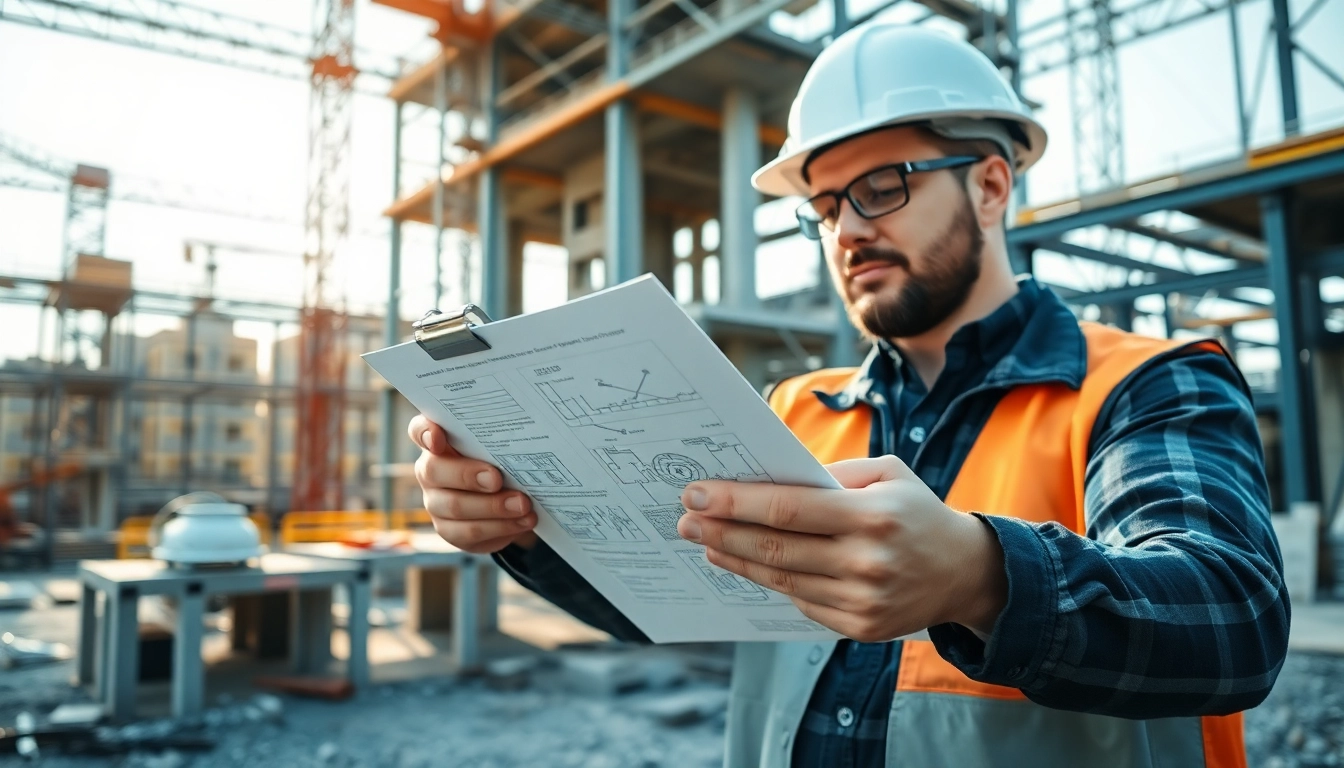
Introduction to Structural Timber Frame Construction
The landscape of construction has evolved markedly over the years, pivoting towards more sustainable and efficient practices. Among these, the use of Structural Timber Frame has garnered significant attention. This building technique, characterized by its use of timber as a primary structural element, offers various advantages including reduced environmental impact, energy efficiency, and aesthetic appeal. In this comprehensive guide, we'll delve deeply into what Structural Timber Frame is, its benefits, applications, and intricacies of its construction process.
What is Structural Timber Frame?
Structural Timber Frame (STF) refers to a method of construction that uses timber as the main framework for buildings. This construction style utilizes large timbers which are interconnected to form a strong, rigid structure. Unlike conventional assemblies that might employ steel or concrete, the use of timber offers flexibility and sustainability to the building process. The framing typically consists of vertical posts, horizontal beams, and diagonal braces, all working synergistically to support vertical loads, resist lateral forces, and provide stability against movements.
Key Benefits of Using Structural Timber Frame
The adoption of Structural Timber Frame in construction comes with multiple benefits that appeal to builders, architects, and homeowners alike. Here are some key advantages:
- Eco-Friendliness: Timber is a renewable resource. Sustainable forestry practices ensure that timber used in construction supports biodiversity and carbon capture.
- Energy Efficiency: Timber frames have excellent insulation properties, resulting in lower energy usage for heating and cooling, promoting energy efficiency during the life of the building.
- Customizability: Designers have immense flexibility in crafting unique and tailored designs, allowing for innovation in architecture that can be both functional and visually appealing.
- Faster Construction Times: Pre-manufactured components can reduce on-site assembly time, allowing for quicker project completions.
- Durability and Longevity: A well-built timber frame can last over a century. With proper maintenance, timber structures are robust against weather elements.
Common Applications and Uses
Structural Timber Frames are versatile and can be employed in a range of constructions. They are not limited to residential homes; their applications extend to commercial buildings, agricultural barns, and even bridges. Common uses include:
- Residential Homes: Primarily used in building family homes, where aesthetics and structural integrity are crucial.
- Commercial Structures: Retail stores, office buildings, and community centers leverage timber framing to enhance both the structure and the visitor experience.
- Recreational Buildings: Timber frames can be seen in sports complexes and community centers designed with an emphasis on open spaces.
- Public Amenities: Pavillions and cultural centers that incorporate artistic elements benefit from the aesthetic flexibility of timber.
Types of Structural Timber Frame
Traditional Timber Frame Construction
Traditional timber framing, often referred to as post-and-beam construction, involves creating a framework using large timber posts and beams. The historical methods often featured intricate joinery techniques, such as mortise-and-tenon, which do not require nails or metal fasteners. These methods provide both strength and architectural beauty. Often, you may find traditional timber frames in historic homes, barns, and artisan buildings across various regions.
Modern Techniques and Innovations
While traditional methods laid the groundwork, modern innovations have paved the way for improved structural integrity and efficiency. Advanced technologies, such as Computer-Aided Design (CAD) and Building Information Modeling (BIM), enhance the precision and speed of timber frame assembly. Additionally, contemporary frameworks often incorporate engineered wood products, like glued laminated timber (glulam) or cross-laminated timber (CLT), which can achieve greater spans with fewer materials, allowing for sleeker designs and increased open spaces within buildings.
Comparing Types of Structural Timber Frame
The choice of timber frame type often depends on the project's requirements and budget. Traditional timber framing provides unparalleled craftsmanship and aesthetic appeal, while modern timber framing techniques offer practical advantages, including enhanced insulation and eco-friendliness. When making a decision, it’s important to consider not just the functionalities, but also the long-term sustainability and maintenance requirements of each type.
Design Considerations for Structural Timber Frame
Load-Bearing vs. Decorative Elements
In designing with Structural Timber Frame, it is crucial to distinguish between load-bearing and decorative elements. Load-bearing elements are those that support the building's weight and structural integrity—such as vertical posts and horizontal beams. Clear identification will ensure compliance with safety standards. Decorative features can enhance the visual aesthetic without compromising structural roles. Designers should incorporate decorative elements seamlessly, ensuring they do not hinder the frame's functionality.
Customization in Structural Timber Frame Designs
Customization capabilities of Structural Timber Frame are one of its most appealing aspects. Architects and builders can create unique designs that suit the specific needs and desires of occupants. Features like vaulted ceilings, large open spaces, and expansive windows can be achieved without sacrificing structural integrity. Each project becomes a highly personalized endeavor, reflecting the owner's preferences while adhering to engineering principles.
Sustainability Factors in Design Choices
As the demand for sustainable building practices increases, incorporating sustainability into design choices becomes more relevant. Structural Timber Frame construction can significantly reduce carbon footprints compared to conventional methods. When selecting timber, opting for certified sustainable sources ensures a greener solution. Additionally, designers can integrate renewable energy systems such as solar panels to further enhance energy efficiency in their structures.
Construction Process of Structural Timber Frame
Planning and Preparation Steps
A robust planning phase is essential for successful construction. Key steps include:
- Site Analysis: Understanding the land topography, soil quality, and climate can profoundly impact design choices.
- Blueprint Development: Using CAD software, builders prepare detailed blueprints that illustrate every aspect of the project.
- Material Sourcing: Ahead of construction, sourcing high-quality, sustainable materials is crucial to project longevity.
- Permitting and Approvals: Ensure compliance with local building codes and zoning ordinances to avoid delays during construction.
Building Codes and Regulations
Structural Timber Frame projects must adhere to various building codes and regulations that vary by region. These codes ensure the safety and structural integrity of buildings. A thorough understanding of fire codes, load requirements, and environmental regulations is essential for compliance. Builders should also remain updated on potential changes to laws that impact timber construction.
Assembly and Erection of the Frame
Once all planning is complete, the assembly begins by erecting the timber frame. This process typically unfolds in several stages:
- Layout: Mark out foundation lines accurately on the site.
- Foundation Work: Pour or lay the foundation and ensure it is level and compliant with structural requirements.
- Frame Assembly: Begin raising the frame, securing connections with brackets and fasteners as prescribed by the structural design.
- Roof Installation: Once the frame is secured, the roof structure can be added, providing weather protection and stability.
Maintenance and Longevity of Structural Timber Frame
Common Maintenance Practices
Maintaining a Structural Timber Frame involves regular inspections and proactive measures to ensure the longevity of the structure. Key maintenance practices include:
- Regular Inspections: Routine checks for mold, insect infestations, and structural integrity.
- Cleaning: Keeping gutters and drainage systems clear to prevent water accumulation that could compromise the timber.
- Protective Treatments: Applying wood preservatives to prevent rot and insect damage, especially in high-humidity areas.
Longevity Expectations for Timber Frames
When constructed and maintained properly, a Structural Timber Frame can last well over 100 years. Factors that influence longevity include the type of wood used, environmental conditions, and quality of construction. It’s not uncommon to find historic timber buildings, emitting both charm and proof of the durability of this construction method.
Inspection and Repair Strategies
Identifying issues early can prevent more significant problems down the line. Regular inspections should check for signs of damage or decay. If any timber appears compromised, it’s critical to address these issues immediately—whether through physical repairs, replacement, or treatment. Professional inspections are recommended to provide expert insights into any structural concerns that may arise.
Frequently Asked Questions
What are the disadvantages of timber frame structures?
Timber frame structures can be vulnerable to issues such as rot, insect damage, and fire hazards. Proper treatment and regular maintenance can mitigate these risks significantly.
How does a timber frame structure hold up?
Timber frame structures are designed to transfer loads effectively through a system of posts and beams that support the floors and roofs, making them robust and reliable when properly constructed.
Are timber frame houses energy-efficient?
Yes, timber frame houses boast excellent insulation properties, which helps minimize energy consumption for heating and cooling, making them a sustainable choice for homeowners.
What is the lifespan of a timber frame building?
A well-constructed timber frame building can last for a century or more with proper maintenance. Regular inspections help ensure its longevity and durability.
Can I customize my timber frame home design?
Absolutely! Timber frame construction is highly customizable, allowing you to design homes tailored to your preferences, while ensuring structural integrity and efficiency.