Understanding Metal Roofing Basics
When it comes to roofing materials, metal roofing stands out as a durable and versatile option that appeals to homeowners and builders alike. This article delves into the key aspects of metal roofing, including its types, common misconceptions, and notable benefits, providing readers with a comprehensive understanding of this popular roofing solution.
Types of Metal Roofing
Metal roofing comes in a variety of materials and styles, each offering distinct advantages tailored to specific architectural needs and aesthetic preferences. Here are the primary types:
- Steel Roofing: Known for its strength and durability, steel roofing is available in several finishes, including galvanized and galvalume. This type is often used in residential and commercial applications.
- Aluminum Roofing: Lightweight and resistant to corrosion, aluminum is particularly suited for coastal areas where salt exposure is a concern. It often comes with a durable finish that can withstand harsh weather.
- Copper Roofing: A premium choice, copper develops a distinctive patina over time, enhancing its aesthetic appeal. It’s highly durable and can last over 100 years, making it a long-term investment.
- Zinc Roofing: Zinc is self-healing and highly resistant to corrosion. It's a sustainable option that can last decades with minimal maintenance.
- Metal Shingles: These are designed to mimic the appearance of traditional roofing materials like slate or wood, offering the aesthetic charm of these materials combined with the inherent advantages of metal.
Common Misconceptions about Metal Roofing
Despite its growing popularity, several misconceptions about metal roofing persist. Addressing these myths can help homeowners make informed decisions:
- Myth 1: Metal Roofing is Noisy: Many believe that metal roofs are excessively noisy during rain or hail. In reality, proper installation with soundproofing materials can greatly reduce noise.
- Myth 2: Metal Roofs Can Attract Lightning: While metal is a conductor of electricity, it doesn’t increase the likelihood of lightning strikes. Metal roofing can actually distribute electrical charges safely.
- Myth 3: Metal Roofing is Heavy: Many assume that metal roofs are heavier than traditional roofing materials. However, they are often lighter, reducing structural load on the building.
- Myth 4: Metal Roofing is Too Expensive: Although the initial investment may be higher, the longevity and durability of metal roofs typically result in lower lifetime costs.
- Myth 5: They Don’t Come in Different Designs: Metal roofing is available in a variety of styles, colors, and finishes, allowing for creative and aesthetically pleasing designs.
Benefits of Choosing Metal Roofing
Opting for metal roofing comes with numerous advantages, some of which include:
- Longevity: Metal roofs can last 40 to 70 years or more, depending on the type of metal and maintenance, significantly outlasting traditional materials.
- Durability: These roofs can withstand high winds, heavy snow, and even hail without succumbing to damage, making them ideal for extreme weather conditions.
- Energy Efficiency: Metal roofing reflects solar radiant heat, which can help reduce cooling costs in the summer. Many metal roofs are also conducive to energy-efficient insulation practices.
- Low Maintenance: Once installed, metal roofs require minimal maintenance. They are resistant to moss, mold, and mildew, eliminating many common roof issues.
- Eco-Friendly: Metal roofing is often made from recycled materials and is fully recyclable at the end of its life, making it a sustainable roofing solution.
Cost Analysis of Metal Roofing
Understanding the costs associated with metal roofing is crucial for homeowners contemplating this investment. Analyzing initial costs versus long-term savings can help make a more informed decision.
Initial Investment vs. Long-Term Savings
While the initial costs of metal roofing can be higher than traditional materials like asphalt shingles, the long-term savings often justify the upfront expense. Homeowners can save on repairs, maintenance, and energy bills:
- Durability and Longevity: Saving on replacements and repairs over time makes metal roofing a cost-effective choice.
- Energy Savings: Reduced energy consumption translates to lower utility bills, particularly with properly installed reflective metal roofs.
- Insurance Benefits: Some insurance companies offer discounts for metal roofs due to their durability, providing an added source of savings.
Factors Affecting Metal Roofing Costs
There are several key factors that influence the final costs associated with a metal roofing project:
- Type of Metal: Different metals come at varying price points. For example, aluminum and steel will differ in cost, as will copper and zinc.
- Roof Design: The complexity of the roof design, such as the number of slopes and angles, can affect both material cost and installation labor.
- Geographical Location: Material availability, labor costs, and shipping can change based on the region, influencing overall project costs.
- Installation Method: Existing roofing material removal, underlayment, and special installation techniques can impact the final price.
- Add-Ons and Accessories: Additional elements like flashing, gutters, and ventilation systems may increase the overall budget.
Budgeting for Your Metal Roofing Project
Budgeting for a metal roofing project requires careful planning and consideration. Here are some tips to guide the budgeting process:
- Research Material Costs: Start by obtaining quotes for the materials you’re interested in using; consider factors such as ongoing sales or discounts.
- Get Multiple Quotes: Obtain estimates from multiple contractors to ensure you receive a competitive price for installation.
- Consider Future Costs: Factor in potential maintenance, energy savings, and insurance benefits when evaluating the overall investment.
- Set a Contingency Fund: Allocate a portion of your budget for unexpected expenses that may arise during installation.
- Consult Professionals: Engaging with roofing professionals can provide indispensable insights and assist in refining your budget estimates.
Installation Process of Metal Roofing
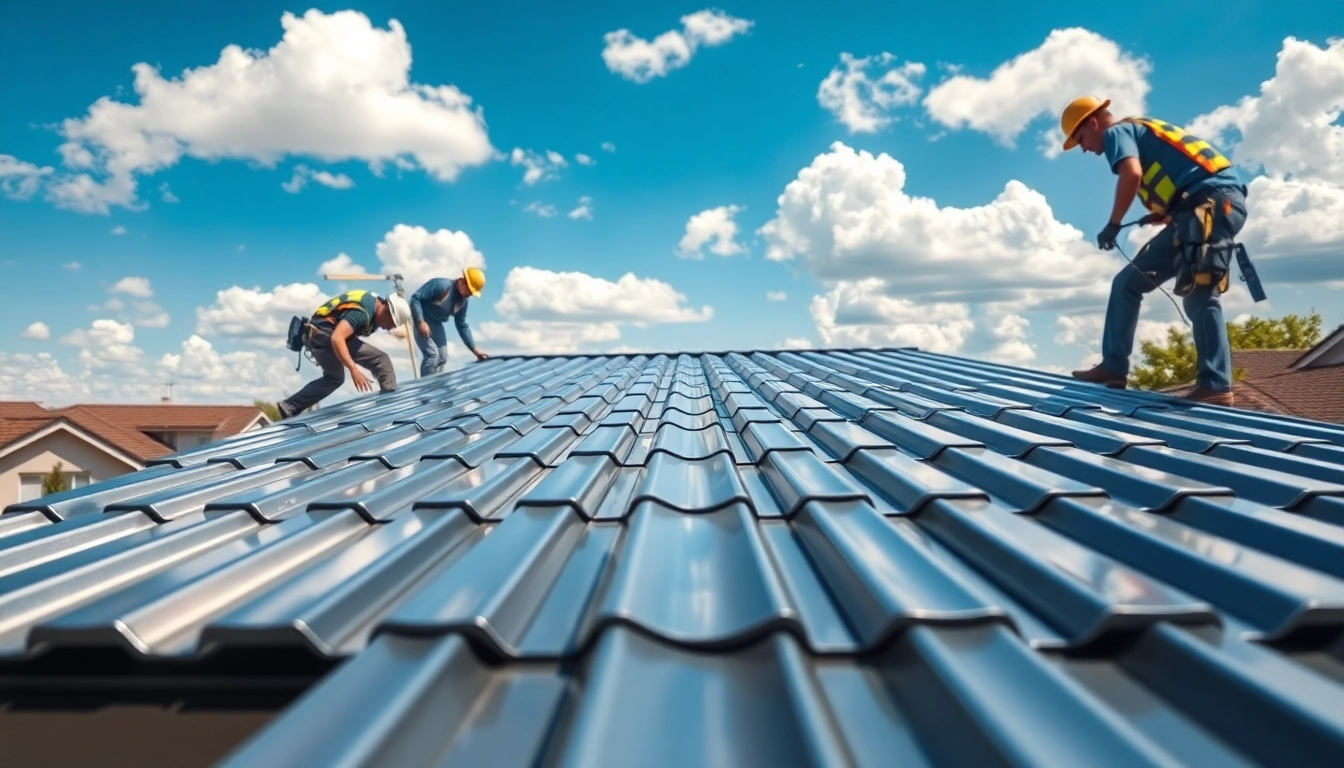
Proper installation of metal roofing is crucial for maximizing its benefits and longevity. Understanding the process can help homeowners prepare and engage better with contractors.
Preparing Your Roof for Metal Installation
Preparation is key to a successful installation. Here are the steps typically involved:
- Inspection: Assess the existing roof for damage or rot that requires addressing before installing the metal roofing.
- Removal: If necessary, remove old roofing materials carefully to prevent damage to underlying structures.
- Install Underlayment: Lay down a solid underlayment for added protection against moisture and to facilitate proper insulation.
Step-by-Step Guide to Installation
Here’s a general overview of the metal roofing installation process:
- Layout Planning: Plan the layout, ensuring proper alignment of panels and considering the intended aesthetics.
- Panel Installation: Start installing metal panels from the bottom upward, securing them tightly to ensure a weather-tight seal.
- Fasteners: Use appropriate fasteners designed for metal roofing to prevent leaks and secure the panels effectively.
- Ridge Caps and Flashing: Install ridge caps and necessary flashing at seams and edges to safeguard against water ingress.
- Final Inspection: Conduct a thorough final inspection to ensure everything is secure and correctly installed.
Choosing the Right Contractor for Metal Roofing
Selecting a qualified contractor can significantly affect the durability and performance of your metal roofing. Consider these points during your search:
- Experience: Look for contractors with extensive experience in metal roofing installations.
- References: Ask for references or examples of previous projects to gauge their work quality.
- Warranties: Ensure they provide warranties for both materials and labor, offering peace of mind regarding the investment.
- Insurance and Licenses: Confirm that the contractor is licensed and insured to avoid liability issues during the project.
- Detailed Quote: Request a detailed written quote to understand the scope, costs, and expected timeline for completion.
Maintenance Tips for Metal Roofing
Maintenance is essential for preserving the integrity and longevity of your metal roofing. Here are key maintenance tips and guidelines:
Regular Inspections and Cleaning
Conducting regular inspections and cleaning can help prevent significant issues before they arise:
- Inspection Schedule: Inspect your roof twice a year and after severe weather to check for any signs of damage.
- Cleaning: Keep the roof clear of debris, leaves, and snow to prevent moisture retention and corrosion.
- Gutter Maintenance: Regularly clean gutters and downspouts to ensure proper water drainage away from the roof.
Common Issues and Their Solutions
Different issues can affect metal roofing. Being aware of these challenges and their solutions can help you respond effectively:
- Corrosion: If noticed, treat affected areas promptly with rust-inhibiting paint or coatings to prevent further degradation.
- Punctures: Minor dents or punctures can often be resurfaced with matching metal patching, while larger holes may require professional repairs.
- Improper Fastening: Loose or improperly installed fasteners can lead to leaks; ensure these are checked and tightened as needed.
Longevity of Metal Roofing with Proper Care
Investing time in routine care can greatly enhance the lifespan of your metal roofing. Here’s how you can ensure longevity:
- Regular Maintenance: Steady maintenance practices can catch potential issues early.
- Quality Products: Opting for high-quality materials initially often results in lower maintenance and repair needs down the line.
- Professional Support: For significant repairs or issues, always consider hiring a professional to ensure that the work is done correctly.
FAQs about Metal Roofing
Is Metal Roofing Noisy During Rain?
No, metal roofing is not notably noisy during rain. Proper installation and soundproofing can mitigate any potential noise concerns effectively.
Can Metal Roofing Be Installed Over Existing Shingles?
Yes, metal roofing can often be installed over existing shingles, given the underlying structure is sound. This can also minimize installation costs.
What Colors Are Available for Metal Roofing?
Metal roofing is available in a wide variety of colors and finishes, allowing homeowners to choose styles that best fit their home's aesthetic.
How Long Does Metal Roofing Last?
Metal roofing can last between 40 to 70 years or longer, depending on the type of metal and the quality of installation and maintenance practices.
Is Metal Roofing Environmentally Friendly?
Yes, metal roofing is environmentally friendly as it is often made from recycled materials and is fully recyclable at the end of its lifespan.