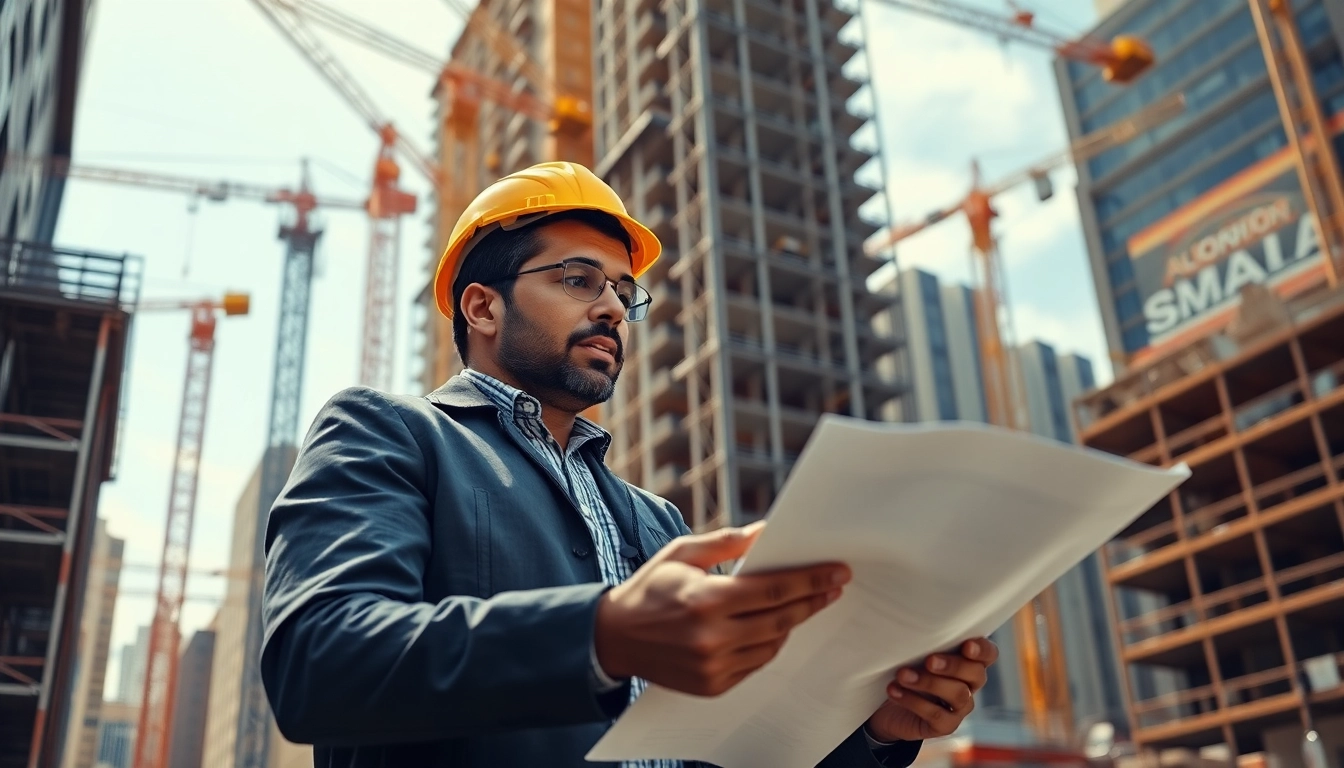
Understanding the Role of a Manhattan Construction Manager
The role of a Manhattan Construction Manager is pivotal in overseeing construction projects in one of the most complex urban environments in the world. This professional is charged with the task of ensuring that construction objectives align with client needs while adhering to stringent local regulations, budget constraints, and timelines. To effectively manage construction projects that contribute to New York City's skyline, a comprehensive understanding of the core responsibilities, essential skills, and the overarching importance of project management is crucial.
Core Responsibilities
A Manhattan Construction Manager is primarily responsible for coordinating and supervising construction projects, which entails not only the physical building processes but also the management of people, resources, and finances. Their core responsibilities include:
- Project Planning: Developing detailed project timelines, cost estimates, and resource allocations to ensure project viability.
- Contract Management: Negotiating contracts with subcontractors and suppliers to ensure that the project stays within budget.
- Construction Oversight: Monitoring daily operations on-site to ensure that work is proceeding according to specifications and regulations.
- Safety Management: Establishing a safety culture on-site and adhering to OSHA regulations to mitigate risks during construction.
- Progress Reporting: Providing regular updates to stakeholders regarding project status, impediments, and achievements.
Essential Skills Required
To thrive as a Manhattan Construction Manager, a repertoire of skills is necessary that spans various disciplines:
- Technical Knowledge: A deep understanding of construction methods, materials, and techniques is essential for effective management.
- Leadership: The ability to lead diverse teams, including subcontractors and laborers, while motivating them to perform at their best is crucial.
- Problem-Solving: Strong analytical skills to identify issues quickly and develop effective solutions to overcome challenges.
- Communication: Clear and persuasive communication with both technical and non-technical stakeholders to ensure alignment and understanding.
- Negotiation Skills: The capability to negotiate favorable terms and conditions with vendors and contractors ensures cost-efficiency.
The Importance of Project Management
Project management in construction is the application of knowledge, skills, tools, and techniques to project activities to meet project requirements. For the Manhattan Construction Manager, this approach is fundamental to keeping projects organized, on schedule, and within budget. Effective project management fosters collaboration, mitigates risks, and enhances reporting and communication among all stakeholders involved.
Navigating Challenges Unique to Manhattan Construction
With the unique characteristics of Manhattan's urban landscape, construction managers face distinct challenges that require tailored solutions and strategies.
Dealing with New York City Regulations
New York City presents a complex regulatory framework that construction managers must navigate diligently. Understanding local building codes, zoning laws, and permit applications is critical. Each project may require different permits from various city agencies, necessitating close cooperation with legal advisors and compliance officers to ensure full adherence to regulations and avoid costly delays.
Managing High-Rise Projects
High-rise construction demands meticulous planning and execution due to factors such as weight distribution, wind load, and evacuation procedures. The Manhattan Construction Manager must employ specialized engineering solutions and reinforce structural elements to ensure safety and compliance with modern building standards.
Addressing Environmental Concerns
In a city increasingly focused on sustainability, construction managers are challenged to promote green building practices. This includes sourcing eco-friendly materials, implementing energy-efficient systems, and complying with environmental regulations, all while keeping projects on track and under budget. Training teams in sustainable practices and understanding the implications of LEED certification can also enhance project appeal.
Best Practices for Effective Project Execution
To ensure the successful completion of construction projects, Manhattan Construction Managers should embrace specific best practices that promote efficiency and effectiveness.
Building Strong Teams
Creating cohesive teams that encompass various skill sets and expertise is key to successful project execution. Involving team members in the planning phase fosters accountability, while ongoing training encourages professional development and engagement. Regular team-building activities can also improve communication and harmony among team members.
Utilizing Technology in Construction Management
The integration of technology in construction management enhances productivity and facilitates real-time tracking of project developments. Tools such as Building Information Modeling (BIM) allow managers to visualize project designs comprehensively. Other technologies such as drone surveying, mobile apps for communication, and cloud-based project management tools enable efficient collaboration, planning, and execution.
Adopting Sustainable Practices
Implementing sustainable practices is not only environmentally responsible but can also lead to cost savings. Using renewable resources, recycling materials, and minimizing waste are crucial steps. Furthermore, incorporating sustainability goals into project planning resonates well with stakeholders, potentially improving public perception and increasing funding opportunities.
Enhancing Communication in Construction Projects
Effective communication is crucial for successful project outcomes. The Manhattan Construction Manager must ensure all stakeholders are informed and engaged throughout the project lifecycle.
Stakeholder Communication Strategies
Identifying and understanding the expectations of stakeholders early in the project is essential. This can involve regular updates through newsletters, emails, or community meetings to provide insights into project progress and milestones. Engaging stakeholders in decision-making can build trust and commitment to the project.
The Role of Meetings and Reports
Structured meetings at various project stages can significantly enhance communication. Regularly scheduled status meetings allow teams to address concerns proactively, and progress reports ensure accountability. Establishing a consistent format for documentation helps standardize communication and streamline information dissemination.
Leveraging Collaboration Tools
Investing in collaboration tools can facilitate seamless communication among project members. Software like project management platforms enables real-time sharing of project updates, schedules, and documents, reducing misunderstandings and aligning team efforts towards common objectives.
Measuring Success and Performance Metrics
To evaluate the effectiveness of construction management processes, it’s essential to establish and monitor relevant performance metrics.
Key Performance Indicators to Consider
Key Performance Indicators (KPIs) such as project completion time, budget adherence, safety incident rates, and customer satisfaction scores provide tangible measures of project success. Regularly reviewing these metrics helps identify areas for improvement and optimize processes moving forward.
Assessing Project Outcomes
Once a project is completed, it's vital to assess overall outcomes relative to initial objectives. Analyzing successes and setbacks not only improves future projects but also utilizes accumulated knowledge for continuous growth within the construction management field.
Continual Improvement Strategies
Continuous improvement is fundamental in the construction management arena. Incorporating feedback loops, conducting post-project evaluations, and setting benchmarks against industry standards foster growth and operational excellence. Emphasizing a culture of learning within teams can create an environment where innovation thrives.
Frequently Asked Questions
What does a Manhattan Construction Manager do?
A Manhattan Construction Manager coordinates and oversees construction projects, managing budgets, timelines, and compliance with local regulations.
How important is safety in construction management?
Safety is paramount; a construction manager ensures that all work complies with safety regulations to protect workers and avoid costly incidents.
What are the common challenges for Manhattan construction projects?
Common challenges include navigating complex regulations, managing high-rise projects, and addressing environmental concerns involved with urban construction.
How can technology improve construction management?
Technology enhances efficiency with tools for project management, real-time tracking, and improved communication among teams, often leading to better project outcomes.
What metrics should be tracked in construction projects?
Key metrics include completion time, cost variances, safety incidents, and stakeholder satisfaction, providing valuable insights into project success and areas for improvement.