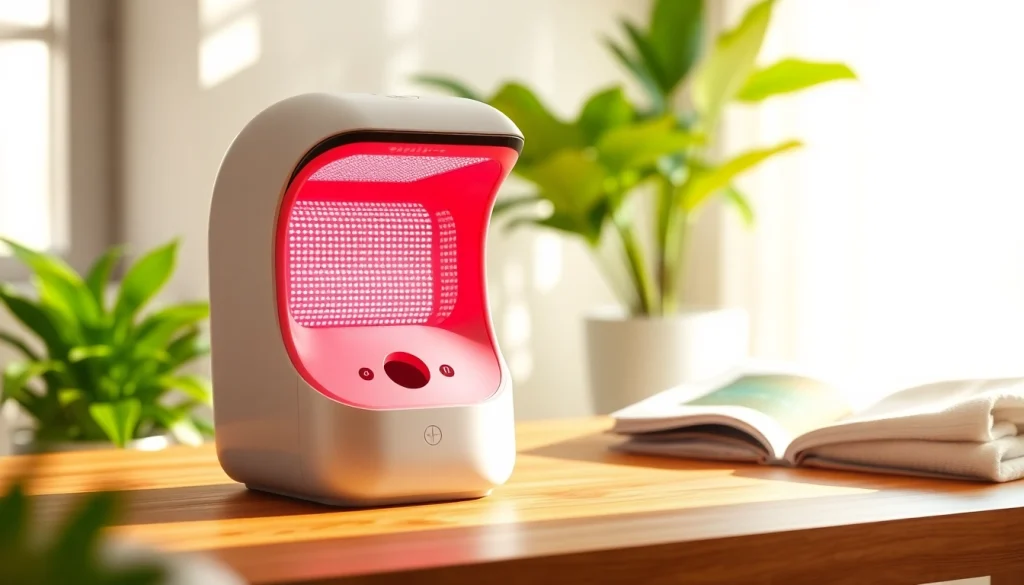
Understanding Red Light Therapy
What is Red Light Therapy?
Red light therapy (RLT) is a treatment that utilizes low-level wavelengths of red and near-infrared light to promote a variety of health benefits. Commonly used in clinical and cosmetic settings, this innovative therapy stimulates cellular processes by targeting mitochondrial function, leading to enhanced cell energy production. Unlike ultraviolet light, red light therapy is safe, non-invasive, and devoid of any harmful effects often associated with laser treatments or other light therapies. Evidence suggests that RLT is applicable across various fields, from dermatology and physical therapy to wellness and anti-aging practices.
Benefits of Using Red Light Therapy
The potential benefits of red light therapy are extensive. Some of the most prominent advantages include:
- Promoting Wound Healing: RLT has been shown to accelerate tissue repair and reduce inflammation, making it highly effective for wounds, burns, and scars.
- Reducing Pain and Inflammation: The therapy is also acclaimed for its anti-inflammatory properties, aiding in the relief of chronic pain conditions such as arthritis and muscle soreness.
- Enhancing Skin Health: By boosting collagen production, RLT can significantly improve skin complexion, reduce wrinkles, and alleviate acne.
- Improving Muscle Recovery: Athletes often use RLT to enhance performance, speed up recovery, and reduce delayed-onset muscle soreness (DOMS).
- Boosting Mood and Sleep: Emerging studies reveal a link between red light exposure and improved sleep quality and mood stabilization.
How Red Light Therapy Works for Cellular Health
To comprehend the mechanisms behind RLT, it’s crucial to understand its interaction with cellular structures. The therapy primarily affects mitochondria, often referred to as the “powerhouses” of the cell. When exposed to specific wavelengths of light (typically between 600 and 900 nanometers), mitochondria absorb this energy, which in turn enhances adenosine triphosphate (ATP) production, the energy currency of the cell. This process also helps in reducing oxidative stress and increasing blood circulation. These cellular alterations facilitate a range of health improvements, making red light therapy a versatile treatment option.
Getting Started with Red Light Therapy
Choosing the Right Red Light Device
Choosing the appropriate red light therapy device is essential for achieving desired results. Consider the following factors:
- Wavelength: Opt for devices emitting wavelengths between 600 to 900 nm, as this range is known to be most beneficial for skin and cellular health.
- Type of Device: There are various forms of red light devices, including handheld units, panels, and full-body beds. Each serves different purposes, so assess your specific needs.
- Power Density: Look for units with higher power density, as they can provide more energy in the same timeframe, leading to faster results.
- Time and Session Length: Different devices require varied session durations. Review the manufacturer’s recommendations to ensure optimal usage.
- Certifications: Ensure the devices are FDA-cleared or CE marked, indicating that they meet safety standards.
Best Practices for Implementation
Successfully integrating red light therapy into your wellness routine requires some best practices:
- Consistency is Key: Regular sessions yield better results than sporadic use; aim for multiple sessions per week.
- Timing: Ideal treatment times vary by individual needs; some prefer morning sessions for energizing effects, while evening sessions can aid relaxation.
- Follow Guidelines: Always refer to the user manual to understand the recommended duration and distance for optimal exposure.
- Monitor Your Body: Pay attention to how your body responds and adjust session lengths accordingly. If you experience discomfort, reduce the duration or frequency.
Setting Goals for Your Red Light Therapy Sessions
Establishing clear goals can help track the effectiveness of red light therapy:
- Health Improvement: Specify which health conditions (e.g., skin issues, muscle pain) you aim to address.
- Aesthetic Goals: If focusing on skin, track changes in wrinkles, pigmentation, or overall complexion.
- Performance Metrics: Athletes should monitor performance indicators or recovery times to gauge the impact of therapy.
- Quality of Sleep: Journal your sleep quality and mood to objectively assess the therapy’s effect on these facets of life.
Enhancing Mitochondrial Health
Connection Between Red Light and Mitochondrial Function
Red light therapy plays a crucial role in enhancing mitochondrial health by stimulating ATP production. Research shows that improved mitochondrial function can result in better energy levels, reduced fatigue, and enhanced overall physical performance. Additionally, RLT may help mitigate age-related mitochondrial decline, contributing to longevity and overall health. This relationship underscores the significance of mitochondrial support not only for athletic performance but also for daily life energy levels.
Supplementing Red Light Therapy with Nutrition
A holistic approach that combines red light therapy with proper nutrition can maximize cellular health:
- Antioxidants: Include antioxidant-rich foods (like berries, nuts, and green leafy vegetables) to combat oxidative stress exacerbated by metabolic activities.
- Healthy Fats: Omega-3 fatty acids (found in fish oil and flaxseed) support mitochondrial membranes and function effectively.
- Vitamins and Minerals: Ensure adequate intake of B-vitamins, magnesium, and Coenzyme Q10, which are vital for mitochondrial energy metabolism.
- Hydration: Drink plenty of water to help your body efficiently use nutrients and maintain optimal cellular function.
Tracking Your Progress in Mitochondrial Support
Monitoring changes can help assess the efficacy of therapy and lifestyle adjustments:
- Fitness Level: Track improvements in your overall energy levels, workout performance, and fatigue reduction.
- Health Measurements: Regularly check blood markers related to metabolic health, such as glucose levels and inflammation markers.
- Subjective Assessment: Maintain a journal documenting your experiences, noting any changes in mood, recovery, or sleep quality.
Frequently Asked Questions
Common Misconceptions about Red Light Therapy
As with any emerging treatment, numerous misconceptions surround red light therapy:
- Myth: RLT is Only for Skin Issues. Reality: While RLT indeed benefits skin health, its applications also extend to pain relief, muscle recovery, and overall wellness.
- Myth: It’s Only for Athletes. Reality: People from all walks of life, including those seeking improved health, recovery, and anti-aging benefits, can experience advantages from RLT.
- Myth: It Requires Professional Guidance. Reality: Home-use devices are widely available, making RLT accessible for personal use.
Is Red Light Therapy Safe for Everyone?
Generally, red light therapy is considered safe for most individuals. However, certain individuals may need to consult a healthcare provider prior to treatment, especially those with:
- Photosensitivity disorders
- Severe skin conditions
- Pregnancy or a history of cancer
How Long Should My Sessions Last?
The optimal session length can range from 5 to 30 minutes, depending on the device’s power and individual needs. It’s best to adhere to recommendations provided by the device manufacturer or consult with a healthcare practitioner to establish a suitable duration for your goals.
Exploring Advanced Techniques
Integrating Red Light Therapy into Your Lifestyle
Maximizing the benefits of red light therapy involves seamless integration into your daily routine:
- Combine with Other Therapies: Pair RLT with practices like meditation or physical therapy for a holistic approach to wellness.
- Create a Dedicated Space: Designate a comfortable space in your home for consistent therapy sessions.
- Utilize Technology: Incorporate apps or wearables to monitor health metrics related to energy, mood, and recovery, offering further insights into the benefits of therapy.
Combining Red Light Therapy with Other Wellness Practices
For enhanced results, consider merging red light therapy with complementary wellness practices:
- Exercise: Engaging in strength or aerobic workouts can amplify the benefits of RLT, supporting muscle recovery and metabolic health.
- Meditation/Yoga: Integrating mindfulness practices can further alleviate stress, improve mental clarity, and foster relaxation.
- Heat Therapy: Combining red light therapy with practices like sauna sessions may enhance detoxification and improve circulation.
Research Insights and Future Trends in Red Light Therapy
The realm of red light therapy continues to evolve, with numerous studies shedding light on its potential:
- Ongoing Research: Universities and research institutions are investigating RLT’s impact on chronic illnesses, neurological conditions, and more.
- Technological Advancements: Future devices are anticipated to offer improved features, including adjustable wavelengths and integration with wearables.
- Wider Acceptance: As clinical data emerges, RLT is gaining recognition in standard therapeutic practices.
In conclusion, red light therapy presents a multifaceted approach for enhancing health and wellness through mitochondrial support and cellular rejuvenation. As more individuals turn to natural therapies for recovery and vitality, understanding the principles and practices of red light therapy can empower people to take charge of their health more effectively. For further exploration of red light therapy devices and to take the next step in optimizing health, visit https://www.biolight.shop.