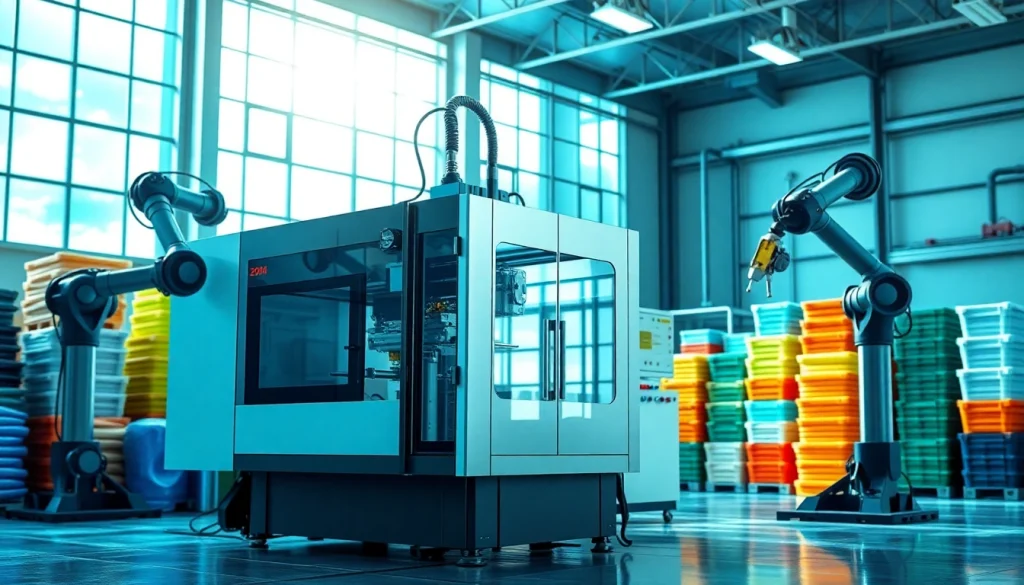
Understanding Injection Molding Machines
What is an Injection Molding Machine?
Injection molding machines are crucial pieces of equipment in the manufacturing sector that enable the production of a wide array of plastic parts and products. Simply put, an Injection Molding Machine functions by melting plastic granules and injecting the molten material into a mold, where it cools and solidifies into a specific shape. This versatile manufacturing method is favored for its unmatched efficiency, adaptability, and capacity to produce items with intricate designs and high-dimensional accuracy. Through both hydraulic and electric mechanisms, injection molding machines can cater to various production scales, from small batches of complex parts to mass production standards.
Types of Injection Molding Machines
The classification of injection molding machines primarily falls into two categories: hydraulic and electric. Each type possesses distinct qualities suitable for different applications.
- Hydraulic Injection Molding Machines: These machines utilize hydraulic systems to exert pressure for injection. While they are often seen as the industry standard, they can consume higher amounts of energy and present challenges with environmental impact.
- Electric Injection Molding Machines: Electric machines offer a more energy-efficient alternative with precise control over the injection process. They are particularly beneficial for applications requiring high repeatability and less downtime.
Additionally, hybrid machines that combine hydraulic and electric components are gaining popularity, providing the best of both worlds. Adaptability in choice allows manufacturers to select the suitable machine based on specific needs, including production volume, material types, and desired complexity of parts.
Key Components of Injection Molding Machines
Understanding the key components of injection molding machines is essential for optimal operation and troubleshooting. The major parts include:
- Injection Unit: Responsible for melting and injecting the plastic material into the mold. It consists of a hopper, a barrel for heating, and a screw that pushes the material forward.
- Clamping Unit: This component holds the mold in place during the injection process and ensures that it does not open under pressure.
- Mold: The actual shape imparted to the plastic. Molds can be single-cavity or multi-cavity depending on the production needs.
- Control System: Modern machines feature sophisticated control systems that allow operators to monitor and adjust the parameters of the injection process in real-time for maximum efficiency.
The Benefits of Using Injection Molding Machines
Cost-Effectiveness and Efficiency
One of the primary advantages of using injection molding machines lies in their cost-effectiveness over time. While the initial investment may be substantial, the long-term savings associated with the efficiency of the process are significant. Once the mold is created, it can produce thousands, if not millions, of parts without the need for extensive manual labor or additional inputs.
Production Quality and Consistency
Injection molding machines are renowned for their ability to produce high-quality, consistent parts. The process minimizes variability in production runs, ensuring that each part meets strict quality control standards. Moreover, advancements in materials and technology allow manufacturers to produce intricate designs that were previously unattainable.
Flexibility in Manufacturing Processes
The flexibility of injection molding machines extends beyond just materials; the ability to switch molds means that manufacturers can adapt to changing market demands rapidly. This capability allows for customization in product design while maintaining efficient manufacturing processes.
Common Challenges in Injection Molding
Mold Design and Maintenance
While the process of injection molding offers numerous advantages, it does come with challenges, the foremost being mold design and maintenance. Poorly designed molds can lead to defects and increased cycle times, impacting overall production efficiency. Regular maintenance of molds is essential to prolong their life and maintain quality output, as wear and tear can lead to dimensional inaccuracies.
Material Selection and Compatibility
The selection of the correct material is equally critical. Different plastics react differently under heat and pressure, and selecting an incompatible material can lead to production failures. Manufacturers must consider factors like melting point, viscosity, and the intended use of the finished product when choosing materials to ensure reliability and performance.
Cycle Time Management
Cycle times must be carefully managed to optimize production efficiency. Factors affecting cycle times include cooling times, injection speeds, and the complexity of the mold. Analyzing and improving these elements can result in significant reductions in production time, thereby increasing overall output without compromising quality.
Best Practices for Operating Injection Molding Machines
Routine Maintenance and Inspections
Implementing a routine maintenance schedule is critical for the longevity of injection molding machines. Regular inspections can preemptively identify issues that could lead to equipment failure, ensuring consistent performance.
Training and Skills Development for Operators
Skilled operators are invaluable assets in the injection molding process. Providing training that focuses on machine operation, troubleshooting, and safety procedures can enhance productivity and minimize errors during production.
Implementing Automation in the Process
Automation plays a pivotal role in the modern injection molding landscape. Automated systems can reduce manual labor costs, increase production speeds, and enhance precision in operations, leading to reduced cycle times and improved overall efficiency.
Future Trends in Injection Molding Technology
Incorporating Smart Technology
The advent of smart technology in injection molding machines is poised to revolutionize the manufacturing landscape. Machines equipped with IoT capabilities can gather data in real-time, providing operators with valuable insights into performance metrics, predictive maintenance needs, and operational efficiencies.
Sustainability in Materials and Processes
Environmental sustainability is more than a trend; it’s becoming a cornerstone of modern manufacturing processes. The move towards bio-based and recyclable materials is gaining traction, driven by consumer demands and regulatory pressures. Injection molding machines are adapting to process these new materials efficiently while reducing waste.
Advancements in Precision Manufacturing
As consumers demand more intricate designs and tighter tolerances, advancements in precision manufacturing technology are making their way into injection molding processes. These technologies enhance the capability of machines to produce high-fidelity parts that meet stringent quality standards without a significant increase in production costs.