Understanding Off Grid Home Solar Systems
What is an Off Grid Home Solar System?
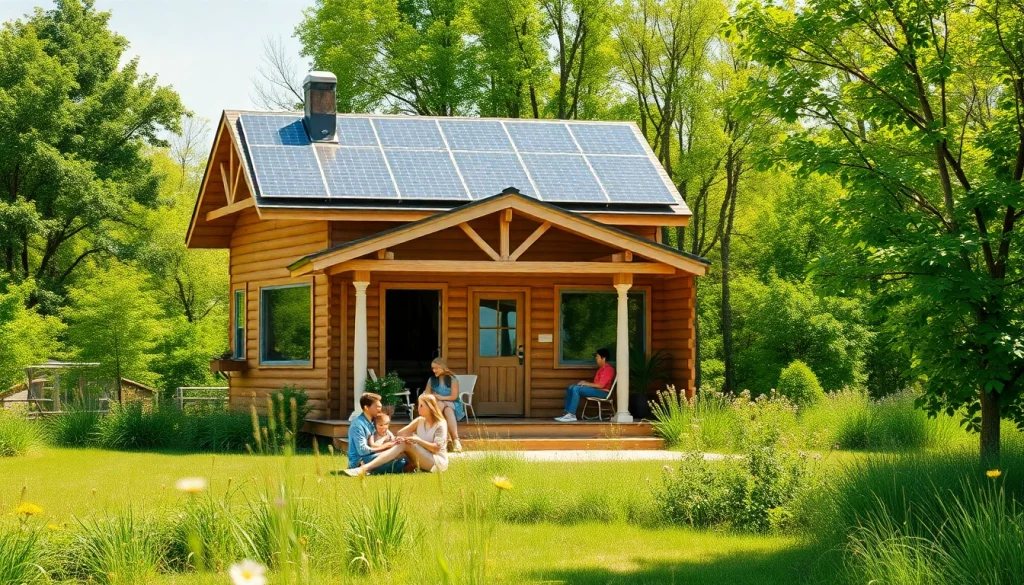
An off grid home solar system refers to a setup that allows homeowners to generate their own electricity without relying on the main utility power grid. This system comprises solar panels that capture sunlight, inverters that convert direct current (DC) into alternating current (AC), and battery storage to store excess energy for use during less sunny periods. Off grid living is becoming increasingly attractive to individuals seeking energy independence, sustainability, and a reduced carbon footprint. As such, many are opting for off grid solutions as a way to take control of their energy consumption, leading to long-term savings and resilience against rising energy costs.
Benefits of Choosing Off Grid Solar Solutions
Choosing an off grid home solar system offers numerous benefits. One of the primary advantages is energy independence; homeowners can rely on their solar energy, negating the need for utility companies. This can be especially beneficial in rural areas where grid access is limited or unreliable. Moreover, off grid solar systems contribute to substantial cost savings in the long run. While the initial investment can be significant, the elimination of monthly electricity bills and potential tax incentives can lead to quicker return on investment.
Another compelling reason to consider off grid solar is the environmental impact. These systems harness renewable energy, significantly reducing reliance on fossil fuels and lowering greenhouse gas emissions. Furthermore, installing an off grid solar system enhances property value and can even provide opportunities for energy sharing in communities focused on sustainability.
Common Misconceptions About Off Grid Living
Despite the numerous advantages, there are several misconceptions about off grid living that can deter potential adopters.
- High Maintenance: Many believe that off grid systems require constant maintenance. However, modern systems are designed for durability and often only require periodic check-ups.
- Limited Power Supply: It’s a common myth that off grid systems cannot support everyday energy needs. With proper planning and sizing, off grid solar systems can meet the energy budgets of most households.
- Inflexibility: Some view off grid living as tied to a rugged and isolated lifestyle. In reality, many modern off grid systems allow for considerable comfort and convenience, including amenities like refrigeration and internet access.
Components of an Off Grid Home Solar System
Essential Solar Panel Types and Their Roles
The core of any off grid solar system is the solar panels. They come in various types, each with distinct benefits:
- Monocrystalline Panels: These are highly efficient and take up less space, making them ideal for homes with limited roof area.
- Polycrystalline Panels: Generally more affordable, these panels may take up more space and are slightly less efficient but still provide a solid option for many homeowners.
- Thin-Film Panels: Although less efficient, these lightweight panels can be applied to a range of surfaces, making them versatile for unique installations.
Inverter and Battery Storage Explained
The inverter is another critical component of an off grid solar system. Its primary role is to convert the DC electricity generated by the solar panels into AC electricity, which is what most home appliances use. There are two main types of inverters: string inverters, which connect multiple panels, and micro-inverters, which are installed on individual panels to optimize energy production.
Battery storage, such as lithium-ion or lead-acid batteries, is essential for off grid systems. These batteries store excess energy generated during peak sunlight hours, allowing homeowners to use electricity when solar production is low, such as during the night or on cloudy days. Designing a battery system requires careful consideration of energy needs, allowing clients to balance initial investment with future requirements.
Additional Accessories for Maximum Efficiency
To maximize the performance of an off grid system, several additional components can be included:
- Charge Controllers: These devices manage the voltage and current coming from the solar panels, preventing battery overcharging.
- Mounting Systems: Proper installation using durable mounting systems ensures the panels are positioned for optimal sunlight exposure.
- Cables and Connectors: Using high-quality cables reduces energy loss and improves overall efficiency.
How to Install Your Off Grid Home Solar System
Step-by-Step Installation Guide
Installing an off grid home solar system involves several crucial steps:
- Evaluate Energy Needs: Conducting an energy audit will help determine the solar panel size and battery capacity needed.
- Choose Your Components: Select the appropriate type of solar panels, inverter, batteries, and any additional accessories.
- Find a Suitable Location: Ensure that the installation site receives an ample amount of sunlight with minimal obstructions.
- Install the Solar Panels: Follow the manufacturer’s guidelines for installation. Ensure stability and optimal angle for sunlight capture.
- Connect the Inverters and Batteries: Properly set up the inverter and battery system, considering safety protocols.
- Conduct a System Check: Once the installation is complete, test the system for functionality and efficiency.
Finding the Right Location for Your System
Choosing the right location for solar panel installation is paramount to maximizing performance. Ideally, the site should have unobstructed access to sunlight. Begin by observing potential locations throughout the day to identify spots with the least shading. Factors such as roof angle and direction also play a significant role in system efficiency. The south-facing roof is typically the best angle for solar panels in the Northern Hemisphere. For ground-mounted systems, ensure the area is clear of trees or structures that could potentially cast shadows.
DIY vs Professional Installation: Pros and Cons
When it comes to installing an off grid solar system, homeowners often face a choice: DIY installation or hiring professionals. Each option has its pros and cons.
- DIY Installation:
- Cost Savings: By doing it yourself, you can save on labor costs.
- Customization: You have full control over choosing components and installation style.
- Professional Installation:
- Expertise: Professionals have the experience and knowledge to ensure the system is optimized for efficiency.
- Support: You benefit from warranties and ongoing support that come with professional installation.
Maximizing Performance of Off Grid Solar Systems
Regular Maintenance Tips for Optimal Functionality
To keep an off grid solar system performing at its best, regular maintenance is essential. Here are some tips:
- Clean the Panels: Dust and debris can reduce efficiency. Regularly clean your solar panels to ensure they capture maximum sun. This can often be done using plain water and a soft cloth.
- Inspect for Damage: Periodically check the system for any signs of wear and tear, including the panels, inverter, and connection points.
- Monitor Battery Health: Ensure batteries are functioning properly, checking for corrosion and battery fluid levels.
Monitoring Your System’s Energy Outputs
Monitoring the energy output of your solar system is crucial for optimizing performance. Many modern systems come with monitoring software or apps that provide real-time insights into energy production and usage. Regularly analyzing this data can help homeowners understand peak performance times, which can dictate when to run high-energy devices or consider further energy-saving measures.
Adapting to Seasonal Changes for Efficiency
Seasonal changes can impact solar energy production significantly, particularly in regions that experience snowy winters or prolonged cloudy seasons. Homeowners should be prepared to adapt:
- Winter Preparation: In snowy areas, regular clearing of snow from solar panels can prevent significant energy loss.
- Energy Budgeting in Cloudy Months: During lower sunlight months, homeowners might need to adjust their energy consumption habits or ensure their battery storage is well adapted to meet demands.
- Use of Backup Generators: For periods of significant energy deficiency, some homeowners consider a backup generator as a supplementary power source.
Real-Life Examples of Off Grid Home Solar Systems
Case Studies of Successful Off Grid Installations
Numerous successful off grid solar systems exemplify the capabilities and advantages of these installations:
- Case Study 1: A family in Idaho installed a 5kW off grid system that successfully supported their home energy needs, reducing their energy costs by 80%. After just five years, they recovered their original investment through savings and tax incentives.
- Case Study 2: In Colorado, a small business owner utilized a hybrid system combining solar panels with wind turbines, allowing for diversified energy production. This flexibility helped the business withstand fluctuating energy demands throughout the year.
User Testimonials on Energy Savings and Sustainability
Real-life testimonials provide insight into the user experience of off grid solar systems. Many users report not only significant savings on their energy bills but also a profound sense of satisfaction stemming from their commitment to sustainability. Homeowners have expressed joy in lowering their carbon footprint and contributing to a greener planet while enjoying the independence and reliability that comes with off grid living.
Future Trends in Off Grid Solar Technology
The future of off grid solar technology is promising, with continuous innovations enhancing usability and efficiency. Expect to see developments such as:
- Advanced Battery Technology: Lithium-ion and solid-state batteries are becoming more efficient, with longer lifespans and greater energy densities.
- Smart Solar Systems: Enhanced monitoring and management systems powered by artificial intelligence will allow for even more efficient energy usage and predictive maintenance.
- Integration with Smart Home Technology: Home automation solutions are being developed to work seamlessly with solar energy systems, optimizing energy consumption based on real-time data.