 admin
admin 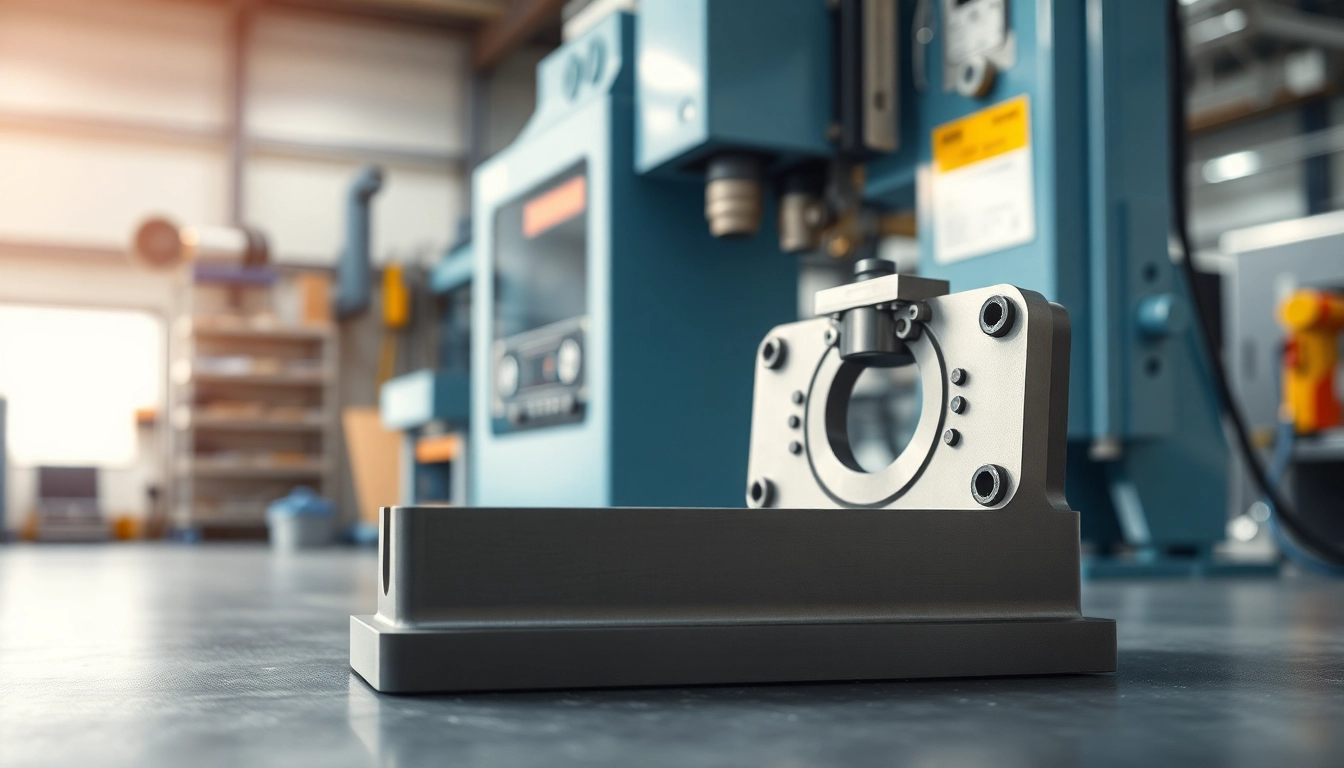
Understanding Stamping Dies
In the world of manufacturing and metalworking, precision is paramount. One of the key components that ensure accuracy and efficiency in the production process is the Stamping Die. These tools play a crucial role in shaping, cutting, and forming materials, enabling manufacturers to produce intricate designs and components with consistent quality. This article explores the various aspects of stamping dies, including their types, applications, benefits, and best practices in maintenance.
What is a Stamping Die?
A stamping die is a specialized tool used to cut or shape material, typically metal, into a desired form through a stamping process. This process involves placing a sheet of material into a stamping press, where the die is paired with a punch to imprint, cut, or form the material accurately. Stamping dies can be custom-made for specific applications, allowing manufacturers to produce unique parts that meet precise specifications.
Types of Stamping Dies
Stamping dies come in various types, each designed for specific applications and materials. The most common types include:
- Progressive Dies: These are designed for high-volume production where multiple operations are performed in a single die cycle. This allows for various operations like cutting, bending, and forming without the need to stop the press.
- Compound Dies: These dies can perform two operations simultaneously, such as cutting and forming, in a single stroke, making them ideal for simple shapes and designs.
- Single-Operation Dies: As the name suggests, these dies perform one operation, such as cutting a specific shape or hole in the material.
- Forming Dies: Used primarily for bending and shaping materials, forming dies manipulate the material’s shape rather than cutting it.
Applications in Various Industries
Stamping dies are integral to various industries, including:
- Automotive: Stamping dies are used to produce components like brackets, panels, and housings that require high precision and durability.
- Consumer Electronics: The manufacture of cases, connectors, and internal components often relies on stamping technology for precision and consistency.
- Aerospace: Stamping dies play a critical role in forming components that must meet strict weight and strength requirements.
- Medical Devices: Precision engineering in medical devices often requires stamping dies for parts that need to adhere to stringent safety standards.
Benefits of High-Quality Stamping Dies
Enhanced Precision and Accuracy
High-quality stamping dies are designed to provide exceptional precision. This accuracy minimizes material wastage, ensuring that each part is made to the exact specifications required. As a result, manufacturers can achieve tighter tolerances, leading to better fitting components and overall higher product quality.
Cost-Effectiveness in Production
While the initial investment in high-quality stamping dies may be higher, the long-term cost savings are considerable. These dies operate efficiently, reducing the cycle time and enhancing production output. When production processes run smoothly without frequent die changes or repairs, the overall costs per part decrease significantly.
Longevity and Durability
Investing in high-quality stamping dies means you’re investing in tools that are built to last. Made from top-grade materials and designed to withstand the rigors of the stamping process, these tools require less frequent replacement. Their durability not only enhances production reliability but also contributes to lower overall maintenance costs.
Choosing the Right Stamping Die for Your Needs
Factors to Consider
Selecting the right stamping die is crucial for successful production. Several factors need consideration, including:
- Material Type: The type of material being stamped will significantly influence the choice of the die.
- Volume of Production: Higher volumes may require progressive dies for efficiency, while lower volumes may benefit from single-operation dies.
- Complexity of Design: More intricate designs might necessitate a multi-operation die setup.
- Cost Constraints: Balancing quality with budget is essential, and understanding total costs, including time and maintenance, is important.
Common Challenges in Selection
While selecting a stamping die, manufacturers often face challenges such as:
- Compatibility Issues: Ensuring that the die is compatible with existing machinery can be a hurdle.
- Design Constraints: Sometimes, the design may be too complex for standard dies.
- Lead Times: The time required to design and fabricate custom dies can delay production schedules.
Consultation and Support
Many manufacturers benefit from consulting with die specialists who can help evaluate specific needs and challenges. Engaging with experts during the selection process can provide insights that lead to better outcomes and increased efficiency.
Best Practices for Maintaining Your Stamping Die
Regular Inspection Techniques
Establishing a routine inspection schedule for stamping dies is essential for identifying wear and tear that could affect performance. Regular checks should include:
- Inspecting for wear on cutting edges
- Examining the alignment of components
- Looking for signs of rust or corrosion
Cleaning and Storage Tips
Keeping stamping dies clean and appropriately stored is vital for longevity. Clean dies with appropriate solvents after each use to prevent build-up of residues, and ensure they’re stored in a clean, dry environment to avoid moisture-related damage.
Repair vs. Replacement Strategies
Over time, even the best-made stamping dies will encounter issues. Manufacturers must decide whether to repair or replace. Regular assessments can help determine the cost-effectiveness of repairs versus investing in new dies, considering factors such as:
- Extent of the damage
- Frequency of use
- Cost of replacement versus repair
Performance Metrics for Stamping Dies
Tracking Efficiency and Output
It’s essential to establish performance metrics to track how well stamping dies are functioning. Key metrics include:
- Production rate: measuring how many parts are produced per hour
- Downtime: tracking the time the die is not in use due to maintenance or malfunction
- Defect rates: keeping tabs on how many parts fail to meet quality standards
Analyzing Costs and Savings
Understanding the financial performance of stamping dies is paramount. Conducting cost analysis helps in determining how quickly a die pays for itself and how much savings it generates over time. Factors to consider include:
- Initial cost versus long-term operational costs
- Impact on manpower and machine time
- Wastage rates and efficiency improvements
Case Studies and Success Stories
Real-life examples can illuminate the importance and effectiveness of proper die selection and maintenance. Companies that have implemented strategic improvements in their die processes often report significant gains in efficiency and cost savings. For instance, a manufacturer that switched to progressive dies for a high-volume automotive part found a 30% reduction in cycle time and a substantial increase in quality with fewer defects.