
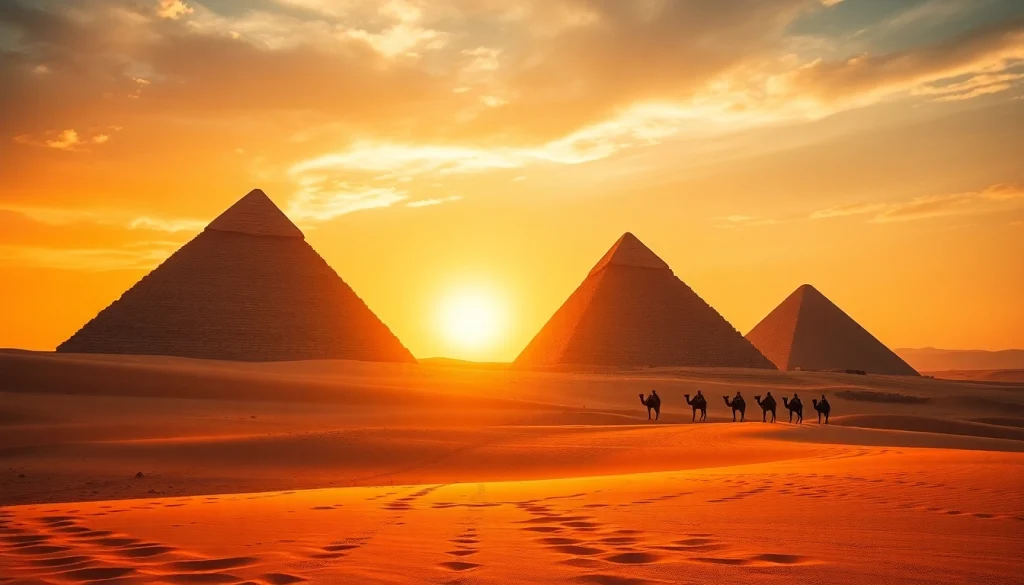
The Historical Significance of Pyramids
Origins and Early Civilizations
The story of piraminds begins thousands of years ago, deeply rooted in the civilizations of ancient Egypt. These monumental structures served not only as tombs but as the embodiment of the Egyptian worldview and religious beliefs. Originating during the Third Dynasty, the earliest significant pyramid, the Step Pyramid of Djoser, paved the way for the evolution of pyramid architecture. This was an era marked by a burgeoning sense of civilization, as the Egyptians began to propagate advancements in agriculture, writing, and religious practices. The design and construction of pyramids were reflective of a society that revered its rulers, interpreting their greatness through these colossal edifices, which symbolized their journey to the afterlife.
Pyramids in Cultural Lore
Pyramids hold a profound place in myths and legends throughout history, acting as subjects of fascination and speculation. In cultural narratives, they appear as gateways to the divine, providing the dead with access to the afterworld. Ancient texts and art depict scenes where the pharaohs ascend to the heavens, emphasizing the pyramids as not mere structures but pivotal elements in the spiritual journey of their inhabitants. Furthermore, the pyramids serve as a backdrop for modern stories and conspiracies, ranging from alien theories to treasure hunts, continuing to captivate imaginations around the globe long after their builders have passed from history.
The Role of Pyramids in Ancient Tombs
The primary function of the pyramids was to serve as tombs for the pharaohs and their families, safeguarding their remains and belongings for eternity. Burial chambers inside these majestic structures housed intricate tomb goods meant to accompany the deceased into the afterlife. The Great Pyramid of Giza, for example, housed the tomb of Pharaoh Khufu, featuring a complex network of passageways and chambers designed to deter robbers. This reflection of burial customs reveals much about the Egyptian belief system, which held that preserving the body and its possessions was crucial for achieving immortality and favor with the gods.
Construction Techniques of the Pyramids
Materials Used in Pyramid Building
The construction of pyramids utilized a variety of materials, primarily limestone, granite, and basalt. Limestone was often quarried locally, while granite was sourced from Aswan, over 500 miles away. These materials were chosen not only for their durability but also for their aesthetic qualities, as seen in the white casing stones of the Great Pyramid, which once gleamed under the sun. The choice of materials reflects the Egyptians’ advanced understanding of resources and their ability to mobilize them effectively.
The Workforce Behind the Pyramids
Contrary to popular belief, the workforce that built the pyramids was not composed of slaves but rather skilled laborers who were valued for their expertise. Archaeological evidence suggests that these workers were well-fed, housed in nearby villages, and organized into crews that operated in shifts. This labor force highlighted the administration’s ability to coordinate large-scale projects involving thousands of men, revealing a complex social structure and sense of community that enabled such colossal undertakings.
Innovative Engineering Methods
The engineering techniques employed in pyramid construction were nothing short of revolutionary for their time. The Egyptians utilized simple tools and ingenious methods, such as levers and ramps, to transport massive stones into place. Recent studies indicate that mud and water might have been used to lubricate the sands along which these stones were dragged, thereby reducing friction. The precision with which the builders aligned these structures to cardinal points and incorporated sophisticated internal layouts showcases a remarkable mastery of geometry and astronomy.
The Architecture of Pyramids
Design Features of Pyramids
Pyramids are characterized by their unique triangular shape, symbolizing the rays of the sun and serving as a staircase for the soul of the pharaoh to ascend to the heavens. The design often included a square base, rising to a peak, which represented a focal point of spiritual energy. Interiors were meticulously crafted with chamber space, passageways, and air shafts, highlighting an intricate understanding of spatial planning that served both practical and symbolic functions.
Variations Across Regions
While the Egyptian pyramids are the most famous, various cultures built their own pyramids across different continents, each with unique architectural elements. For example, the Mesoamerican pyramids, such as those at Teotihuacan and Chichen Itza, featured stepped designs and served as platforms for temples rather than tombs. These variations reflect the cultural significance and purposes assigned to pyramids across civilizations, emphasizing diverse architectural techniques influenced by local customs and beliefs.
Influence on Modern Architecture
The influence of ancient pyramids extends into modern architectural practices. Their monumental forms inspire contemporary architects seeking to evoke grandeur and historical resonance. Iconic structures, such as the Louvre Pyramid and the National Gallery in London, incorporate pyramidal elements, bridging history with modernity. Pyramids symbolize stability and permanence, qualities that resonate in modern design philosophies, illustrating how ancient concepts continue to affect architectural trends today.
Explorations and Discoveries Related to Pyramids
Significant Archaeological Finds
Numerous archaeological discoveries have unveiled the mysteries enveloping the pyramids. Significant finds include burial vessels, wooden artifacts, and even remnants of the labor force’s living quarters. Each excavation contributes valuable insights into the societal structure, everyday life, and spiritual beliefs of ancient Egyptians. For instance, the discovery of the tomb of Tutankhamun, while not a pyramid, elucidated burial practices and material culture that resonate with the broader pyramid narrative.
Current Research on Pyramids
Contemporary research into the pyramids has unveiled innovative findings, enhancing our understanding of their construction and significance. Studies employing modern technology, such as ground-penetrating radar and 3D imaging, have revealed hidden chambers and potential undiscovered pyramids. These advances facilitate deeper investigation into the intricacies of these ancient wonders, allowing scholars to revisit long-held assumptions about their construction methods and uses.
Technologies Used in Modern Excavations
Modern excavations benefit from advanced technologies, transforming the way researchers approach ancient sites. Techniques like aerial photography, laser scanning, and non-invasive ground survey methods allow for comprehensive analysis while preserving the integrity of the site. Drones contribute to capturing high-resolution images and creating 3D maps, enhancing the understanding of spatial relationships within and around pyramids, shedding light on their historical context.
Tourism and Pyramids: A Global Attraction
Top Destinations for Pyramid Enthusiasts
Pyramids are among the most sought-after tourist attractions worldwide, drawing millions of visitors annually. The Great Pyramid of Giza remains at the forefront, enchanting tourists with its grandeur and the allure of its mysteries. Additionally, locations like the Pyramid of the Sun in Mexico and the Nubian pyramids in Sudan offer glimpses into their respective cultures and history, appealing to curious travelers seeking to expand their understanding of ancient civilizations.
The Economic Impact of Pyramid Tourism
The influx of tourists to pyramid sites contributes significantly to local economies, creating job opportunities in hospitality, guiding, and other service sectors. Revenue generated from entrance fees, merchandise sales, and guided tours fosters funding for preservation efforts, ensuring these historic sites remain intact for future generations. However, managing this tourism sustainably is crucial to balancing economic benefits with preserving the cultural integrity and physical structures of the pyramids.
Preservation Efforts for Future Generations
Preservation of the pyramids is a top priority for heritage organizations globally. Efforts include ongoing restoration projects, implementing protective measures against environmental degradation, and educational programs aimed at raising awareness about heritage conservation. Collaborations between government bodies, NGOs, and local communities emphasize responsible tourism and ensure that these ancient structures remain protected while sharing their history with the world.
Frequently Asked Questions about Pyramids
What are the main purposes of pyramids?
Pyramids primarily served as royal tombs, designed to protect the pharaoh’s body and belongings for the afterlife. They also fulfilled religious functions, symbolizing the pharaoh’s ascent to divinity.
How were the pyramids constructed?
Pyramids were constructed using limestone and granite, with skilled laborers employing ramps, levers, and manpower to position heavy stones precisely. Advanced planning ensured alignment with celestial bodies.
What is the significance of pyramid shape?
The pyramidal shape symbolizes the rays of the sun, representing a pathway for the pharaoh’s soul to ascend to the heavens and achieve immortality, reflecting religious and cosmological beliefs.
Where can I find other pyramids outside Egypt?
Pyramids can be found in several locations worldwide, including the Pyramid of the Sun and the Pyramid of the Moon in Teotihuacan, Mexico, and the Nubian pyramids in Sudan, showcasing diverse cultures.
Are there ongoing discoveries related to pyramids?
Yes, ongoing archaeological research continues to reveal new findings about pyramids, including hidden chambers and artifacts, enhancing our understanding of their construction, purpose, and cultural significance.