
 admin
admin 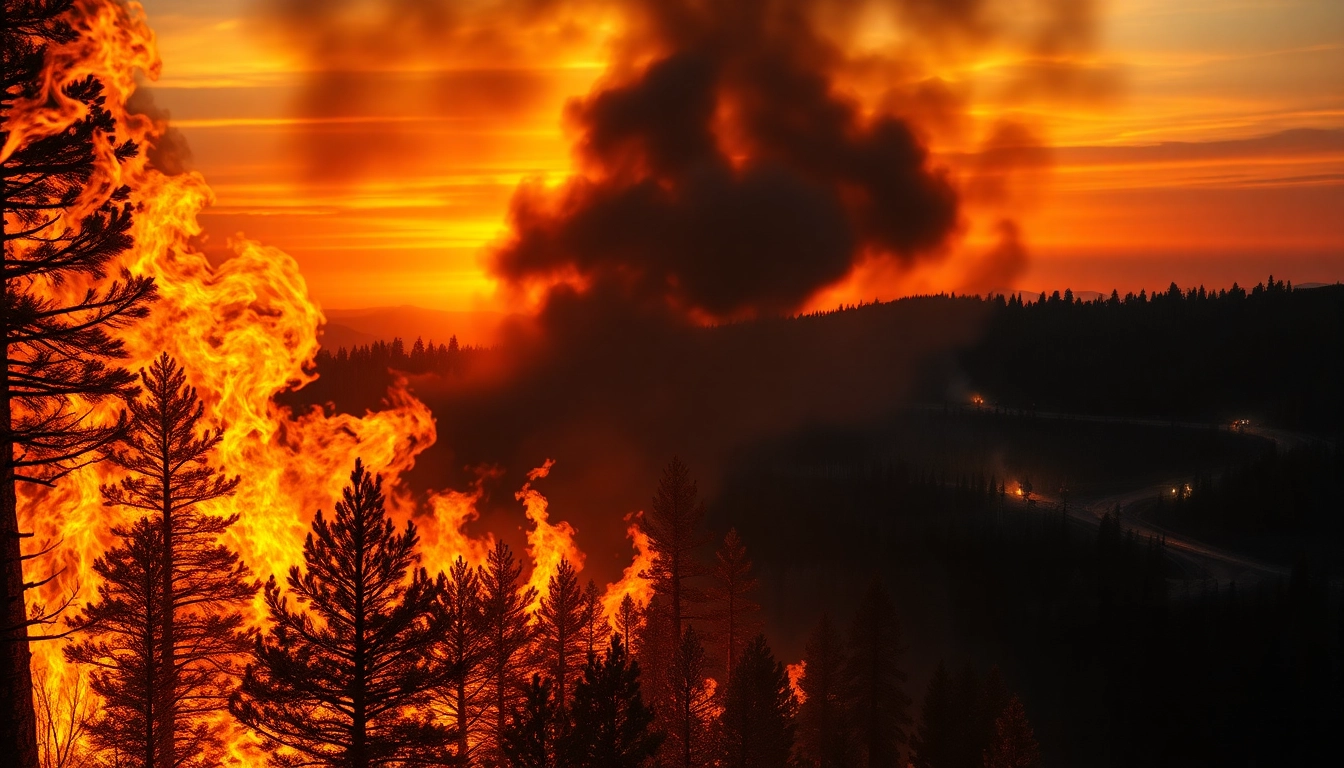
Introduction to Wildfire Events
Wildfires are uncontrolled fires occurring predominantly in wildland areas, leading to significant environmental damage and threatening human safety. Understanding the various aspects of Wildfire events is essential for effective management and prevention strategies. From their ecological importance to the severe impacts on communities, wildfires present a complex challenge that necessitates our attention and action.
What Are Wildfire Events?
A wildfire event, often referred to simply as a wildfire, is an uncontrolled fire that burns in natural areas such as forests, grasslands, or prairies. Such events can occur due to a variety of factors, including weather conditions, human activities, and natural occurrences like lightning strikes. Wildfires can spread rapidly, fueled by dry conditions, wind, and flammable vegetation, often requiring extensive firefighting efforts to manage and extinguish.
The Importance of Wildfire Events in Ecosystems
While wildfires can be devastating, they also play a crucial role in maintaining healthy ecosystems. Fire promotes the regeneration of certain plant species, recycles nutrients back into the soil, and helps control insect populations. Many plants, such as lodgepole pine and sequoia, rely on fire for their reproduction. Thus, understanding which ecosystems benefit from wildfires helps in managing them better, even amid the increased incidence linked to climate change.
Overview of Global Trends in Wildfires
Global trends indicate an alarming rise in the frequency, intensity, and duration of wildfire events. Factors contributing to this increase include climate change, which leads to warmer temperatures and prolonged droughts, making regions more susceptible to fires. Additionally, human settlement expansion into wildland areas has heightened the risk and consequences of these events.
Causes of Wildfire Events
Natural Causes of Wildfire Events
Natural causes of wildfire events primarily include lightning strikes and volcanic eruptions, both of which can ignite dry vegetation. Lightning is the most common natural ignition source, particularly in summer months when thunderstorms occur without substantial rainfall. These naturally caused fires can sometimes initiate cycles of ecological renewal in forest areas, promoting diversity and resilience.
Human Factors Contributing to Wildfire Events
Human activities contribute significantly to wildfire events, often accounting for over 80% of all ignitions. Factors include arson, discarded cigarettes, and equipment use that produces sparks. As recreational activities increase in wild areas, the potential for accidental ignitions also rises, making education and regulation critical for preventing human-caused fires.
Climate Change and Its Impact on Wildfire Events
Climate change exacerbates conditions that lead to wildfire events. With rising temperatures and altered rainfall patterns, many regions are experiencing lengthened fire seasons and increased drought periods. Hotter conditions can also lead to more frequent and severe thermal inversions, trapping heat near the earth’s surface and leading to rapid fire spread. Understanding these dynamics is vital for developing adaptive strategies to mitigate risks.
Impacts of Wildfire Events
Ecological Effects of Wildfire Events
Wildfires have profound ecological effects. While they can destroy vast expanses of forest, leading to habitat loss, they can also stimulate regrowth and the development of fire-adapted ecosystems. The balance between destruction and renewal is delicate, and the specifics depend on various factors, including the ecological characteristics of the affected area.
Threats to Human Safety and Property
One of the most alarming impacts of wildfire events is their threat to human life and property. Fires can spread rapidly into residential areas, leading to evacuation orders and destruction of homes, infrastructure, and even entire communities. In recent years, devastating wildfires have led to significant loss of life and billions in property damages, underscoring the need for effective risk management.
Wildfire Events and Public Health Concerns
Wildfires pose serious public health risks due to smoke inhalation, which can result in respiratory issues and other health complications. Smoke plumes can travel hundreds of miles, affecting air quality even in areas far from the fire’s origin. Protecting public health requires comprehensive planning, including warning systems and healthcare readiness, especially during peak wildfire seasons.
Preventing Wildfire Events
Best Practices for Wildfire Prevention
Effective wildfire prevention requires a combination of strategic planning, community awareness, and natural resource management. Best practices include creating defensible space around properties, responsible land management, and fire bans during high-risk periods. Implementing such measures can significantly reduce the likelihood of ignitions and the spread of wildfires.
Community Involvement in Wildfire Preparedness
Community involvement is critical in wildfire preparedness. Initiatives like education campaigns, community drills, and collaboration with local fire services can empower residents to act swiftly during wildfire incidents. Local organizations can coordinate efforts to ensure a robust response system, and residents can be encouraged to form neighborhood watch programs to monitor fire risks in their areas.
Role of Technology in Monitoring and Prevention
Technology plays an increasingly vital role in monitoring and preventing wildfire events. Satellite imagery, drone surveillance, and geographic information systems (GIS) provide real-time data on fire behavior and risks. Advanced modeling tools allow for better forecasting and readiness, while public apps can alert residents to fire risks and necessary actions. Embracing technology enhances our capacity to manage these disasters effectively.
Responding to Wildfire Events
Emergency Response Strategies for Wildfire Events
Emergency response strategies for wildfire events encompass coordinated efforts from local and national fire crews, law enforcement, and emergency services. Key elements include evacuation planning, firefighting resource allocation, and public information dissemination to keep communities safe. Developing and training specialized crews enhances readiness against unpredictable fire behavior.
Lessons Learned from Recent Wildfire Events
Recent wildfire events have highlighted critical lessons regarding preparedness and response. Key takeaways include the importance of rapid communication systems, the need for pre-established evacuation routes, and the effectiveness of community engagement in fire management. Adaptive practices, learned from past incidents, enable authorities to respond more effectively in the future.
Future Trends in Wildfire Management
Looking ahead, future trends in wildfire management will likely focus on sustainable land use practices, improved fire forecasting methods, and enhanced public-private partnerships. The need for climate adaptation strategies will also be emphasized, recognizing the complex interplay between wildfire management and climate change mitigation efforts. Proactive initiatives can foster resilience against increasing wildfire risks.
Frequently Asked Questions
What is a wildfire event?
A wildfire event is an uncontrolled fire that occurs in natural areas, driven by factors such as dry conditions, wind, and human activities.
What are the main causes of wildfires?
Main causes of wildfires include natural factors like lightning and human activities such as campfires, discarded cigarettes, and arson.
How do wildfires affect public health?
Wildfires can severely impact public health by degrading air quality, leading to respiratory problems and other health issues from smoke inhalation.
What are best practices for wildfire prevention?
Best practices for wildfire prevention include creating defensible space, responsible land management, and public awareness campaigns on fire safety.
How can technology assist in wildfire management?
Technology assists in wildfire management through satellite imagery, drones, and GIS, enhancing monitoring, prediction, and response strategies.