Introduction to Intumescent Fireproofing
In the world of construction and safety engineering, intumescent fireproofing plays a critical role in ensuring the structural integrity and safety of buildings during a fire. This article delves into the essential aspects of intumescent fireproofing, offering a detailed understanding of its functionality, benefits, types, and best practices for application. By the end, you will have a comprehensive grasp of why this method is integral to modern fire protection strategies.
What is Intumescent Fireproofing?
Intumescent fireproofing refers to the application of specific materials that swell when exposed to high temperatures, creating an insulating char layer that protects the substrate (often steel) from the effects of fire. The swelling process, known as intumescence, allows these materials to expand significantly, effectively increasing their thickness and providing enhanced protection. This feature is crucial, as it not only safeguards the structural elements but also prevents the spread of flames and heat.
How Does Intumescent Fireproofing Work?
The mechanism of intumescent fireproofing is based on a unique chemical reaction that occurs when the material is subjected to heat. Upon reaching a specific temperature, typically around 200°C (392°F), the intumescent coating begins to expand. This expansion creates a thick, foam-like barrier that encapsulates the underlying material, such as steel or wood, effectively shielding it from heat and flames. The char formed during this process acts as an excellent insulator, slowing down the heat transfer and providing critical time for occupants to evacuate safely.
Applications in Construction
Intumescent fireproofing is predominantly applied in commercial buildings, industrial facilities, and high-rise structures where there are significant fire risks. Common applications include:
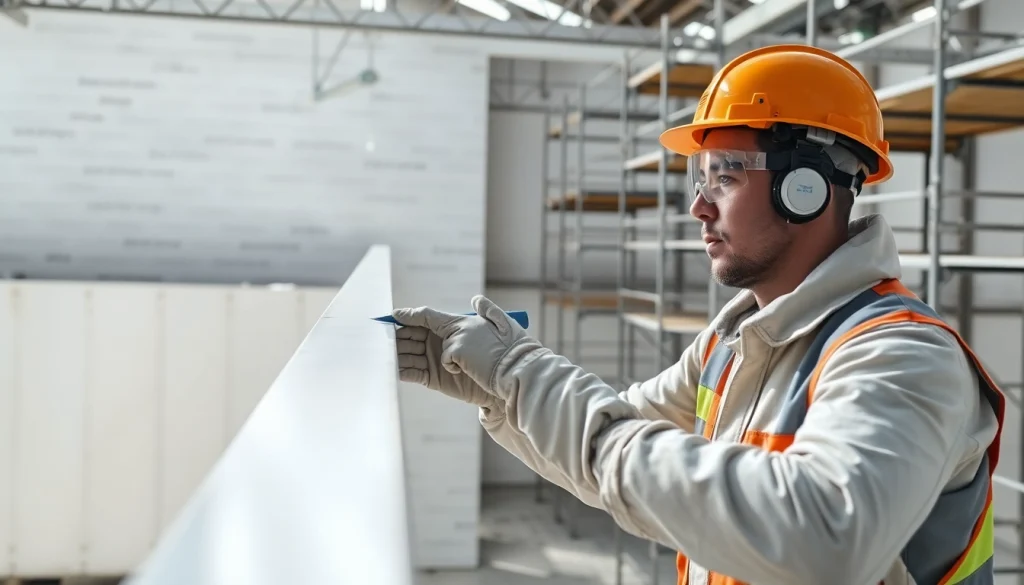
- Steel Structures: Intumescent coatings are often used on steel beams and columns, providing an aesthetic, smooth finish that meets fire safety regulations.
- Wood Products: Wood elements in construction, especially in the interiors, can utilize intumescent paint to enhance fire resistance without compromising their design.
- Electrical Systems: Insulating cabling and service penetrations can also benefit from intumescent materials to prevent fire spread through these pathways.
Types of Intumescent Fireproofing
Water-Based vs. Solvent-Based Solutions
Intumescent coatings are generally categorized into water-based and solvent-based solutions, each with distinct features:
- Water-Based Intumescent Coatings: These solutions are eco-friendly, have lower levels of volatile organic compounds (VOCs), and are easier to clean up after application. However, they might require longer drying times.
- Solvent-Based Intumescent Coatings: Typically, these products offer quicker drying times and better adhesion in challenging environmental conditions. However, they often contain higher VOCs, leading to stricter regulations during application.
Comparing Paint and Coating Types
While both intumescent paints and coatings serve to enhance fire resistance, they can differ significantly in their application methods and performance characteristics. Intumescent coatings tend to provide superior protection due to their thicker application and more robust swelling properties compared to intumescent paints. When evaluating options, it is critical to consider not only the fire rating but also the application method and the environment in which they will be installed.
Cost Considerations
When examining the costs of intumescent fireproofing, multiple factors come into play, including:
- Material Type: Water-based coatings are generally less expensive than solvent-based options.
- Surface Area: The total area to be treated impacts the overall cost, with larger areas requiring more material and potentially labor.
- Labor Costs: Professional application is often recommended, which adds to the total expenditure. Proper surface preparation and skilled craftsmanship can significantly influence the final results.
Advantages of Intumescent Fireproofing
Effective Passive Fire Protection
One of the most compelling benefits of intumescent fireproofing is its effectiveness as a passive fire protection system. Unlike active systems that require a manual trigger, such as sprinklers, intumescent fireproofing responds automatically to fire conditions. This self-activating feature ensures that the structural integrity is maintained without reliance on external measures.
Aesthetic Benefits Over Traditional Methods
Intumescent fireproofing not only provides safety but also meets aesthetic demands in contemporary architecture. Unlike traditional cementitious fireproofing, which can be bulky and unattractive, intumescent coatings offer a smooth finish that can be colored or painted to match the surrounding design. This quality makes them ideal for applications where appearance is as crucial as safety.
Ease of Application
Compared to traditional fireproofing methods, intumescent coatings are easier to apply. They can be sprayed, brushed, or rolled onto surfaces, allowing for adaptability depending on project requirements. Furthermore, the installation does not require extensive supports or scaffolding, making the application process more efficient and cost-effective.
Best Practices for Intumescent Fireproofing Application
Surface Preparation Techniques
Proper surface preparation is crucial for the efficacy of intumescent fireproofing. The surface should be clean, dry, and free of contaminants such as dust, grease, or rust. Techniques may involve sandblasting or power washing to ensure an ideal bonding surface. After cleaning, a compatible primer should be applied to enhance adhesion.
Application Methods and Tools
Intumescent fireproofing may be applied using various tools, including spray guns, brushes, and rollers. Each method has its advantages; for instance, spray applications allow for an even coat over complex geometries, while brushes can be useful for touch-ups. The choice of tool should depend on the specific conditions of the site and the preferences of the applicator.
Drying and Curing Times
The drying and curing times for intumescent coatings vary based on environmental factors, type of product, and application method. Typically, water-based coatings may require longer drying times than solvent-based alternatives. It’s essential to follow the manufacturer’s guidelines to ensure proper curing, which can take from hours to several days based on the ambient temperature and humidity levels.
FAQs about Intumescent Fireproofing
What is the primary function of intumescent fireproofing?
The primary function of intumescent fireproofing is to protect structural elements from fire damage by expanding and forming a char layer that insulates the underlying material.
How does intumescent fireproofing differ from traditional methods?
Intumescent fireproofing expands when heated, forming a protective barrier, while traditional methods, like cementitious fireproofing, create a thick layer without such expansion.
Can intumescent fireproofing be painted over?
Yes, intumescent fireproofing can be painted over once fully cured, allowing for design flexibility without compromising fire resistance.
What surfaces can intumescent fireproofing be applied to?
Intumescent fireproofing can be applied to various surfaces, primarily steel and wood, among others, providing fire protection in different construction contexts.
How long does intumescent fireproofing last?
When properly applied and maintained, intumescent fireproofing can offer long-lasting protection, typically exceeding 10 years based on environmental conditions and exposure.