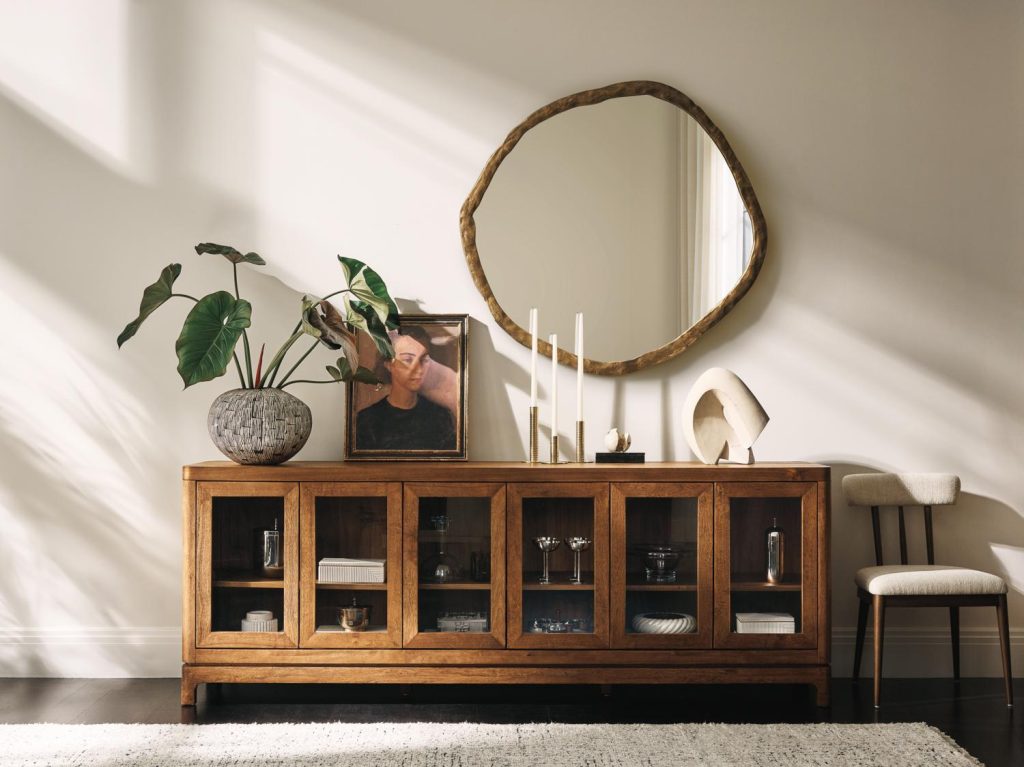
Understanding Modern Furniture: Definition and Characteristics
What Defines Modern Furniture?
Modern furniture is characterized by its sleek lines, minimalistic aesthetic, and functionality. This design style emerged in the early 20th century, shifting away from ornate and traditional furniture styles. What sets modern furniture apart is its emphasis on simplicity and clarity, a departure from the embellishments of previous eras. Modern furniture is not only about looks; it was conceptualized with purpose, integrating innovative materials and techniques to create pieces that are practical and stylish.
Key Features of Modern Furniture
Modern furniture presents several distinct features that allow it to stand out:
- Simplicity: Clean and uncluttered designs.
- Functionalism: Emphasis on usability and practicality.
- Innovative Materials: Usage of plywood, metals, and glass instead of traditional hardwoods.
- Open Spaces: Designs that promote open floor plans and fluidity.
- Neutral and Bold Colors: A palette that ranges from earth tones to vibrant colors.
Historical Context of Modern Furniture Design
The genesis of modern furniture can be traced back to the Bauhaus movement in Germany during the early 1900s. This movement sought to marry art and industry, promoting functional design that could be produced affordably. Iconic designers like Charles and Ray Eames and Mies van der Rohe shaped the definition of modern furniture. Post-World War II, there was a surge in furniture design that embraced new technologies and manufacturing processes, creating pieces that combined form and function effectively.
Choosing the Right Modern Furniture for Your Home
Assessing Your Space and Needs
Before investing in modern furniture, it’s essential to assess your space and identify your needs. This involves understanding the dimensions of your rooms, the flow of movement within them, and the functionality you require. Create a list of must-have items—furniture that supports your lifestyle, whether that’s a modular sofa for family gatherings or a sleek desk for a home office.
Balancing Style and Functionality
While aesthetics are an important aspect of modern furniture, functionality should never be compromised. Look for pieces that serve multiple purposes—such as a storage ottoman that can double as seating—and ensure they fit seamlessly into the overall design of your home. Striking the right balance between style and function is key to creating a space that is both beautiful and livable.
Common Materials Used in Modern Furniture
Modern furniture utilizes a range of innovative materials that contribute to its distinctive look and feel. Common materials include:
- Wood: Often in sleek, natural finishes, emphasizing its grain.
- Metal: Commonly used for legs and frames, providing durability.
- Glass: Frequently used in tabletops and shelving units, lending an airy feel.
- Plastic: Designed for ease of maintenance and versatile forms.
Tips for Styling with Modern Furniture
Creating a Cohesive Look
Achieving a cohesive look with modern furniture requires strategic planning. Start by selecting a unifying color palette, and then choose furniture that complements these colors. Mixing textures and forms can add visual interest; for instance, pairing a leather chair with a molded plastic table can create a dynamic contrast that still adheres to the modern aesthetic.
Incorporating Color and Texture
Color and texture play crucial roles in enhancing the elegance of modern furniture. The choice of colors can significantly affect the perception of space and ambiance. Use bold accents against a neutral base or vice versa to create drama. Textures provide depth; consider layering soft textiles like throws or rugs with smoother modern surfaces to achieve balance.
Layering with Accessories and Artwork
To truly elevate your modern furniture setup, incorporate accessories and artwork that resonate with your chosen theme. Abstract art, geometric sculptures, and decorative trays can add personality. Be mindful of scale; large accessories can overwhelm small spaces, while smaller items might get lost in larger rooms.
Caring for Your Modern Furniture
Cleaning and Maintenance Tips
Proper care is essential to preserve the beauty and functionality of modern furniture. Different materials require specific maintenance methods. For example, wooden surfaces should be regularly dusted and occasionally polished, while upholstered pieces may need spot cleaning with appropriate cleaners to address stains.
Protecting Against Wear and Tear
To safeguard your modern furniture from daily wear and tear, consider using protective covers, coasters, and table protectors. Avoid placing furniture in direct sunlight, as this can cause fading and temperature-related warping. Regularly inspect items for signs of wear and address issues promptly to prolong their lifespan.
Restoration and Repair Techniques
Over time, even the best modern furniture may need restoration or repair. For scratches on wood, use a furniture touch-up pen. Upholstery can be renewed with steam cleaning or reupholstering for a fresh look. Knowledge of simple repair techniques can go a long way in maintaining your furniture and ensuring it stands the test of time.
FAQs About Modern Furniture
What is the difference between modern and contemporary furniture?
Modern furniture refers to a specific design movement that peaked in the mid-20th century, characterized by minimalism and functionality. In contrast, contemporary furniture reflects current trends, which can include various styles, making it constantly evolving.
How do I choose eco-friendly modern furniture?
Look for sustainable materials like bamboo, reclaimed wood, and certified eco-friendly finishes. Check for certifications such as FSC (Forest Stewardship Council) or GREENGUARD that ensure environmental responsibility in manufacturing.
What are some popular colors for modern furniture?
Neutral colors like white, grey, and beige are prevalent, often paired with bold colors such as navy, emerald, or burnt orange. This contrast enhances the clean lines typical of modern design.
Can modern furniture fit in traditional spaces?
Yes, modern furniture can complement traditional spaces by creating a contrast that adds interest. Choose key pieces selectively and incorporate traditional elements to ensure harmony between styles.
How much should I budget for modern furniture?
Your budget for modern furniture varies based on style and material. On average, expect to spend anywhere from a few hundred to several thousand dollars for quality pieces, depending on your specific needs and preferences.