
 admin
admin 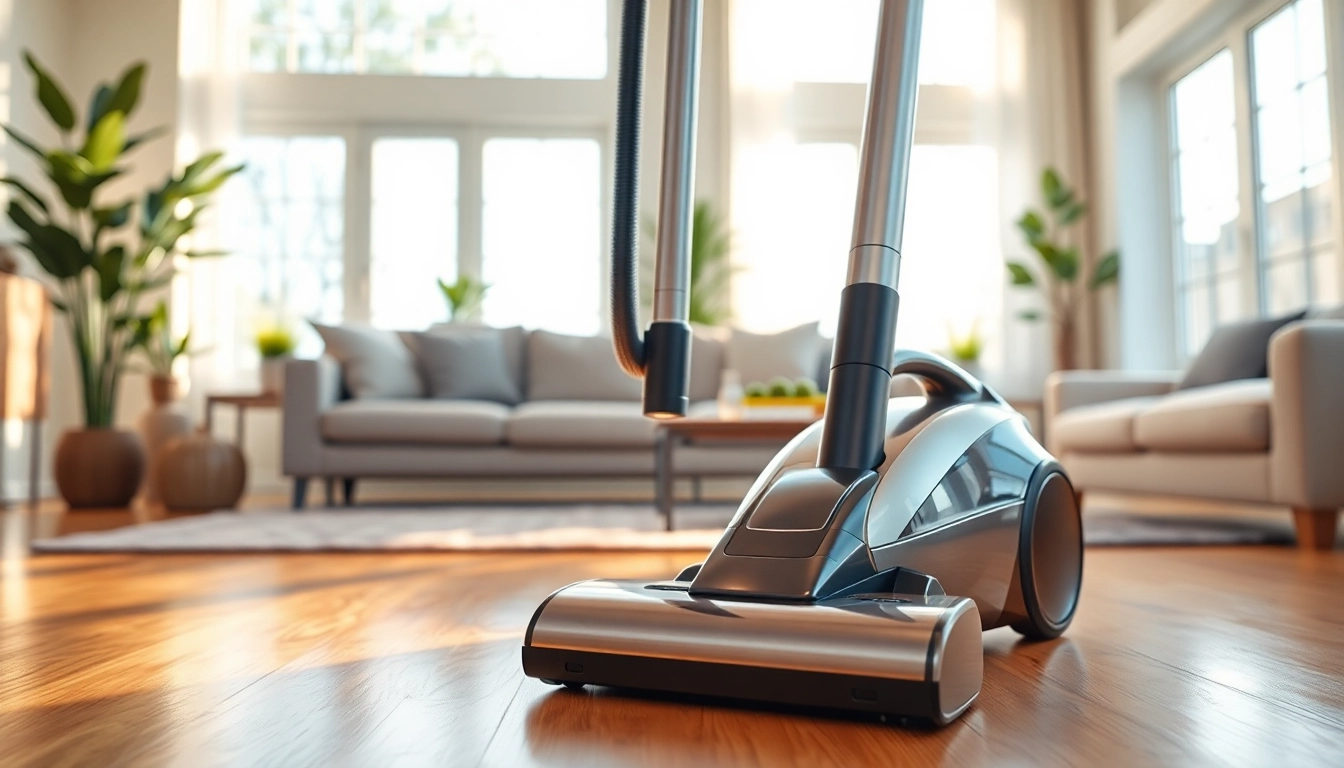
Understanding Different Types of Vacuum
Types of vacuum cleaners and their uses
When it comes to maintaining a clean home, the type of vacuum cleaner you use can significantly influence your cleaning efficiency and effectiveness. There are various types of vacuum cleaners, each designed with specific tasks in mind. Understanding these different types can help you make an informed choice tailored to your cleaning needs.
1. Upright Vacuums: These are the classic models we often picture when we think of vacuums. Upright vacuums are powerful and excel at deep cleaning carpets. Equipped typically with a larger motor, they often feature a wide cleaning path, making them efficient for covering large areas quickly.
2. Canister Vacuums: Canister vacuums offer more versatility compared to uprights. They are designed with a separate body and hose, allowing you to easily clean under furniture, on stairs, and in corners. They are often quieter and lighter, which makes them a popular choice for those with varying cleaning surfaces.
3. Robot Vacuums: A modern convenience, robot vacuums automate the cleaning process. They navigate around furniture and other obstacles to clean floors without much human intervention. While they may not replace traditional vacuums for deep cleaning, they are excellent for maintaining daily cleanliness.
4. Handheld Vacuums: These compact devices are perfect for quick clean-ups, such as picking up spilled crumbs, pet hair, or small debris. Handheld vacuums are especially useful for tight spaces and vehicles but are not generally intended for extensive cleaning tasks.
5. Steam Vacuums: Ideal for sanitizing and deep-cleaning carpets, steam vacuums use heated water vapor to clean and disinfect. They are effective for removing tough stains and refreshing surfaces without the need for harsh chemicals.
Benefits of bagged vs. bagless vacuum
Choosing between bagged and bagless vacuums is a crucial decision you need to make based on your lifestyle and cleaning preferences. Understanding the benefits of both can help you identify which type might suit your home best.
Bagged vacuums often provide better filtration and are ideal for allergy sufferers since the dust and allergens are contained in a sealed bag. This minimizes exposure to the captured particles during disposal, making it a more hygienic option. Bags generally have a larger capacity than bagless containers, meaning you’ll make fewer trips to replace them.
On the other hand, bagless vacuums eliminate the need for purchasing bags, making them more cost-effective in the long run. Many modern bagless models have advanced suction capabilities and storage capacities. Additionally, the clear dust containers allow users to see when it’s time to empty, which can help maintain optimal performance.
Choosing between handheld, upright, and robot vacuum
The choice between handheld, upright, and robot vacuums can be overwhelming due to the variations in features and benefits. Here are some considerations to help you choose the right one for your cleaning needs:
- Space and Storage: If you live in an apartment or have limited storage, a handheld or compact model may be sufficient. Upright vacuums tend to require more storage space.
- Cleaning Needs: Consider whether you regularly deal with carpets, hard floors, or both. Upright models are typically better for carpets, while canister or handheld vacuums may perform better on hard surfaces.
- Your Lifestyle: For busy households, a robot vacuum can save time and maintain a level of cleanliness throughout the week. However, if deep cleaning is needed, traditional vacuums may be more effective.
Key Features to Consider in a Vacuum
Motor power and suction capabilities
When evaluating vacuums, one of the most critical factors is motor power and suction capabilities. The effectiveness of a vacuum largely depends on its ability to generate sufficient suction. A higher wattage generally translates to more powerful suction, which can efficiently lift dirt, dust, and other debris from different surfaces.
For example, if you have pets at home, look for models specifically designed with pet hair in mind, which often feature stronger motors to tackle challenging messes. The motor’s design—whether it’s a direct drive or belt-driven—can also impact performance significantly.
Filtration systems and allergens
Effective filtration is essential, especially for those suffering from allergies or asthma. Look for models equipped with HEPA (High-Efficiency Particulate Air) filters, which trap 99.97% of allergens, such as pollen, dust mites, and pet dander. This feature not only improves indoor air quality but also provides relief for sensitive individuals.
Different vacuums come with various filtration systems, from foam filters to multi-stage filtration setups. Choose one that suits your needs while being easy to clean and replace.
Noise levels of different vacuum types
Noise levels can vary significantly between vacuum types. If you’re sensitive to noise or live in a shared environment, you might prefer quieter models. Many upright vacuums tend to be noisier while canister and robot vacuums often operate at a lower decibel level. However, innovations in technology are producing quieter yet powerfully efficient vacuums across all types.
How to Maintain Your Vacuum for Longevity
Regular cleaning and maintenance tips
To ensure your vacuum operates optimally for years to come, regular maintenance is essential. Clean the vacuum canister or bag frequently to prevent clogs that can inhibit performance. Check and clean the brush roll regularly to remove tangled hair, threads, and debris.
Additionally, inspect the hoses for blockages, ensuring there are no bends or kinks that affect airflow. Depending on usage, consider scheduling a more in-depth annual maintenance inspection or cleaning.
Replacing filters and bags: when and why
Understanding the signs for when to replace filters and bags can optimize the overall performance of your vacuum. For bagged models, it’s advisable to replace the bag when it is about two-thirds full to ensure consistent suction power. For bagless models, empty the canister regularly to prevent overflow and maintain airflow.
Filters should be replaced based on the manufacturer’s recommendations. Some filters are washable and reusable, while others must be replaced entirely. Pay particular attention to HEPA filters, as they may require replacement at least once or twice a year, depending on usage levels.
Identifying and fixing common vacuum issues
Common vacuum issues include reduced suction, strange noises, and failure to turn on. Understand how to troubleshoot these problems, beginning with checking for blockages in the hoses and filter. Loose or damaged belts can also cause performance issues; be vigilant about replacing them when needed. Consult the manufacturer’s manual for specifics on your model.
Vacuum Cleaning Best Practices for Homeowners
Effective vacuuming techniques by room type
Different rooms and floor types require different techniques to achieve optimal cleanliness:
- Living Rooms: Start from the furthest corner and work your way out. Use slow, overlapping strokes to ensure thorough dirt pickup.
- Bedrooms: Pay special attention to under the bed and in corners. Consider using an attachment for the mattress to capture dust mites.
- Kitchens: Use a handheld vacuum for small spills and crumbs. A deep clean of tile floors can be facilitated by a vacuum with a brush attachment.
- Bathrooms: Be cautious of moisture and ensure the vacuum is designed to tackle hair and dirt present.
Utilizing attachments for hard-to-reach areas
All the best vacuums come with a range of attachments designed to make cleaning easier and more effective. Use crevice tools to reach tight spaces and upholstery brushes for furniture. For pet owners, specialized pet attachments can make a significant difference in removing fur from fabric surfaces.
By utilizing these tools strategically, you can enhance your cleaning routine, ensuring every corner and crevice is accounted for.
Vacuuming schedule for optimal cleanliness
Establishing a vacuuming schedule tailored to your lifestyle is essential for maintaining a clean home. For high-traffic areas, daily or every other day vacuuming may be necessary. Bedrooms and less frequented rooms can be cleaned once a week. If you have pets, more frequent cleaning may be required, as pet hair can accumulate quickly.
Consider keeping a checklist or using a calendar to remind you of your scheduled vacuuming to ensure consistency and a cleaner living environment.
Evaluating the Cost vs. Value of a Vacuum
Budget options: what to expect
When shopping for a vacuum, understanding what to expect at various price points can help you find a model that meets your needs without compromising quality. Budget options can be functional but may lack some advanced features present in mid-range and high-end models. Sacrifices often include motor power, durability, and additional attachments.
It’s essential to read consumer reviews to gauge performance and longevity. Even budget options can efficiently handle basic cleaning tasks if chosen wisely.
Mid-range vs. high-end vacuum performance
Mid-range vacuums often strike a balance between price and performance. These models typically offer higher motor power, better suction capabilities, and more versatile cleaning options. High-end vacuums stand out for their durability, advanced filtration systems, and innovative features like smart sensors and Wi-Fi compatibility.
When considering performance, weigh the benefits against the investment. High-end models generally come with superior warranties and customer support services, which can further justify the higher price tag.
Assessing warranty and support for your vacuum
Finally, evaluate the warranty and customer support offered with potential vacuum purchases. A longer warranty often indicates confidence in the product, providing peace of mind to consumers. Additionally, consider the availability of customer support in case you need assistance with maintenance or repairs.
In Conclusion, while choosing the right vacuum involves understanding different types, key features, and maintaining best cleaning practices, it is ultimately about matching the right vacuum to your specific lifestyle and cleaning needs. By considering all these factors, you can achieve a cleaner, healthier home environment.