Catering to Modern Aesthetics
Understanding Modern Wall Art
Modern wall art is a dynamic form of artistic expression that reflects contemporary themes, styles, and frameworks. With its roots leading to various movements such as Abstract Expressionism and Minimalism, it has evolved to cater to a broad palette of tastes and preferences. Whether it takes the form of vibrant paintings, intricate photography, or eclectic sculptures, the essence of modern wall art lies in its ability to convey emotion and style. Homeowners often turn to modern wall art as a means to infuse their living spaces with personality and aesthetic beauty.
Significance in Home Décor
The significance of modern wall art in home décor cannot be overstated. Art serves as a powerful tool for personal storytelling. It allows individuals to express their identity, beliefs, and experiences. Moreover, wall art can transform an ordinary space into something remarkable. By serving as a focal point, artwork can draw the eye and create a sophisticated atmosphere. Art pieces, when strategically chosen, can enhance the visual appeal of a room and elevate the overall design aesthetic, bridging style gaps and harmonizing color palettes.
Key Styles and Trends
In the ever-evolving world of modern wall art, various styles and trends have emerged, shaping how individuals approach their home décor. Some of the prevalent styles include:
- Abstract Art: Featuring bold colors and shapes, abstract pieces can stir emotions and provoke thoughts without the confines of realism.
- Minimalism: This style is characterized by simplicity and limited color palettes, focusing on essential elements to create a tranquil setting.
- Geometric Patterns: Often symmetrical and appealing, geometric wall art combines creativity with structure, fitting perfectly within modern design contexts.
- Textured Art: Incorporating mixed media, these pieces add depth, making a statement while inviting touch.
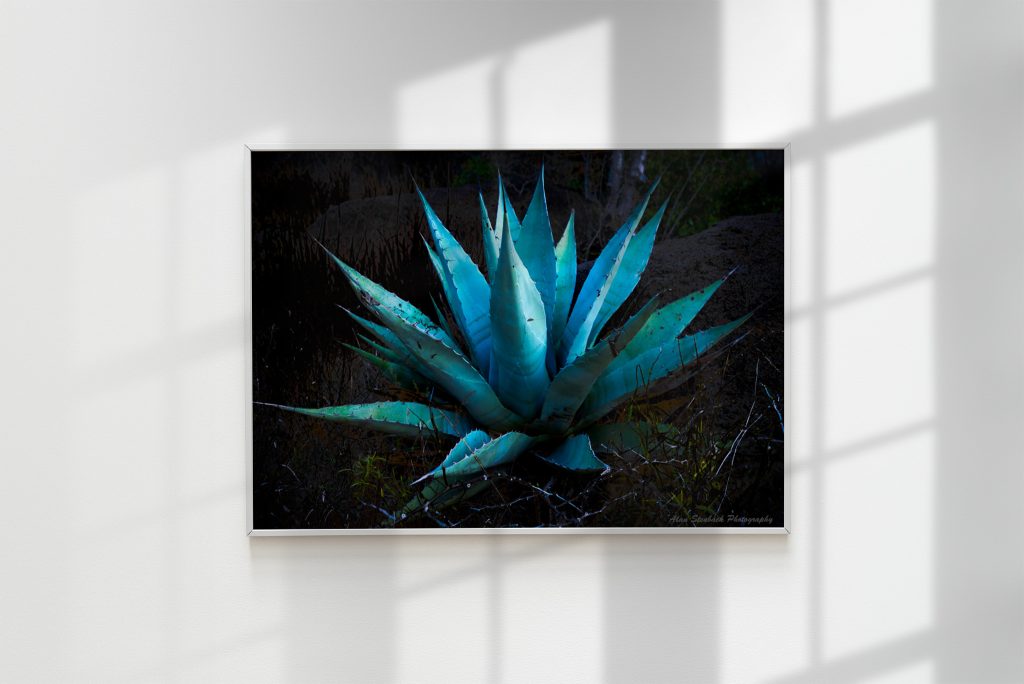
- Photography: Contemporary photography, often showcasing urban landscapes or nature, can evoke a strong sense of connection and nostalgia.
Choosing the Right Pieces
Identifying Your Style
Selecting the right pieces of modern wall art can be a reflection of one’s personality and taste. Start by identifying personal interests and preferred aesthetics. Engaging with various styles, whether through online galleries, social media, or physical exhibitions, helps clarify what resonates most. Taking into consideration room themes and existing décor elements will also guide choices in selecting art that feels cohesive and complementary.
Wall Art Placement
The placement of wall art is as essential as the choice of pieces themselves. Strategic placement can influence how art is perceived and its effectiveness in enhancing room dynamics. A few considerations include:
- Height: Art should generally be hung at eye level, allowing easy enjoyment without straining.
- Grouping: A collection of smaller pieces can create a gallery wall, making a significant visual impact.
- Complementing Furniture: Aligning wall art with furniture layout creates a harmonious flow throughout the space.
- Lighting: Proper illumination of artwork can elevate its presence, enhancing colors and textures.
Tips for Buying Modern Wall Art
When it comes to buying modern wall art, being informed can lead to more satisfactory investments. Here are some tips to make the process seamless:
- Research: Explore different artists and styles to become aware of market prices and trends.
- Consider Size: Ensure dimensions suit the space where the art will be displayed, contributing to visual balance.
- Quality Matters: Invest in high-quality materials for longevity, ensuring your art maintains its brilliance over time.
- Budget Wisely: Set a budget that allows for consideration of both quality and style without overspending.
Color Theory in Wall Art
How Colors Affect Mood
Color theory plays a central role in modern wall art, as colors can significantly influence emotions and perceptions. For instance, warm colors like reds and oranges can evoke feelings of excitement and warmth, while cooler tones like blues and greens often promote calmness and tranquility. Understanding the psychology behind colors can assist in making more intentional choices for spaces where specific moods are desired.
Types of Color Palettes
When selecting modern wall art, considering color palettes can make or break the overall effect. Here are some common types:
- Monochromatic: Variations of a single hue create a cohesive and sophisticated look.
- Analogous: Colors that are next to each other on the color wheel create harmony and subtlety.
- Complementary: Using colors opposite each other evokes strong contrasts and visual interest.
- Triadic: A trio of colors evenly spaced on the color wheel ensures vibrancy and balance.
Integrating Color in Modern Wall Art
Integrating color effectively in modern wall art involves not just the artwork but also interactions with existing decor. Selecting pieces that echo or contrast with dominant colors in a room can enhance the overall aesthetic. It’s crucial to consider the desired mood or emotion the colors evoke, ensuring they align with the purpose of each space, whether it’s meant to inspire creativity, relaxation, or energizing social interactions.
Creating a Focal Point
Arranging Art for Impact
Establishing a focal point is vital for interior design, and art can play a critical role in achieving this. Grouping pieces casually yet intentionally can create visual weight, guiding attention to a specific area in a room. Arranging art in a way that leads the eye from one piece to another can create dynamic movement throughout the space.
Complementing Furniture and Space
Modern wall art should enhance, not overpower, existing furniture and decor. Opt for art that complements the style and dimensions of the surrounding furniture. For instance, large pieces can anchor a room, while smaller works can fill gaps and add texture. It’s essential to maintain balance and cohesion so that the artwork enhances the overall design narrative rather than creating discord.
Using Accessories for Enhancement
Accessories such as frames, mats, and lighting can dramatically enhance the presentation of modern wall art. Coordinating frames with colors in the art or room can create a unified appearance. Additionally, proper lighting can illuminate the artwork, emphasizing details and features that may otherwise go unnoticed. Consider track lighting or well-placed spotlights to draw attention to key pieces.
FAQs About Modern Wall Art
What is modern wall art?
Modern wall art refers to a diverse range of artwork created within contemporary styles and themes, encompassing various mediums such as paintings, prints, and sculptures.
How do I choose modern wall art for my home?
To choose modern wall art, consider your personal style, the existing decor, size, and how colors may interact with your space. Explore different styles to find what resonates.
Can I mix different styles of modern wall art?
Yes, mixing different styles can create visual interest and personality. Aim for a cohesive color palette or thematic elements to maintain unity in diversity.
What are the best colors for modern wall art?
The best colors depend on the mood you want to create. Use warm tones for energetic spaces and cool tones for calming environments. Balance is key.
How do I maintain my modern wall art?
Maintain modern wall art by keeping it clean and dust-free. Avoid direct sunlight to prevent fading. For framed art, ensure that the frame is in good condition and provide appropriate humidity levels.