
 admin
admin 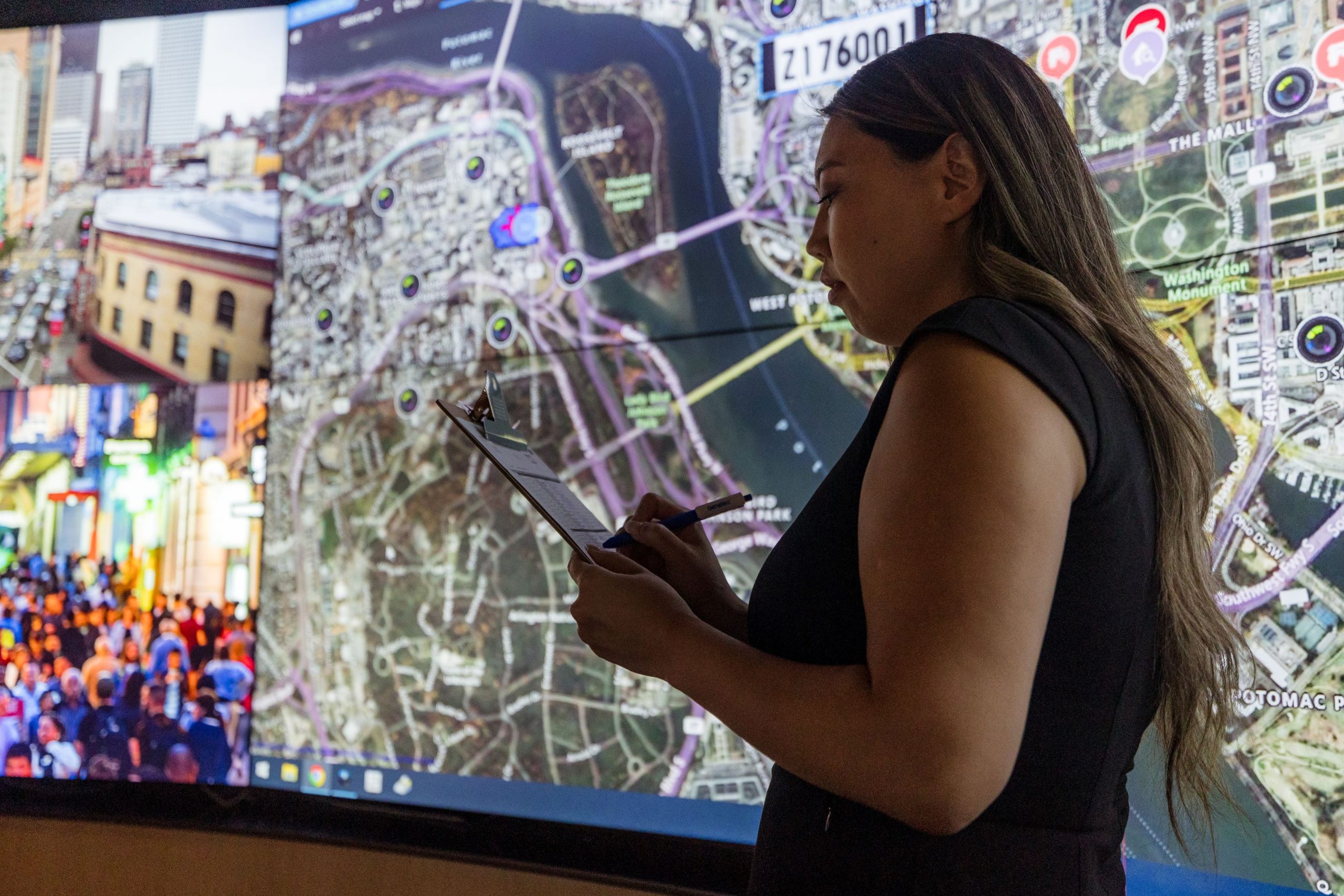
Understanding Video Analytics Technology
As technology advances, the realm of surveillance and security continues to evolve. Video analytics, powered by artificial intelligence, stands at the forefront of this transformation. By processing and interpreting video data, video analytics enhances security systems significantly. Organizations can now leverage tools that automatically identify people, vehicles, and even suspicious activities in real-time, fostering a proactive approach to safety and security. For an in-depth exploration of this technology, visit https://videoanalytics.co.uk/.
What is Video Analytics?
Video analytics refers to the capability of systems to analyze video footage and extract actionable insights through intelligent algorithms. These systems utilize techniques such as motion detection, facial recognition, and behavior analysis. By employing artificial intelligence (AI), video analytics can distinguish normal activity from suspicious behavior, enabling quicker responses to potential incidents.
Key Features of Video Analytics Systems
- Real-time Monitoring: Continuous surveillance allows for immediate incident detection.
- Object Recognition: The ability to identify and classify various objects like vehicles, people, and animals.
- Behavioral Analysis: Assessing specific actions to identify security threats or emergencies.
- Data Integration: Seamlessly combines with existing security systems for enhanced capabilities.
- Automated Alarms: Triggers alerts based on predefined behaviors or activities, reducing reliance on human monitoring.
Benefits of Implementing Video Analytics
Organizations adopting video analytics can expect substantial benefits. First and foremost, there’s an increase in security effectiveness due to timely detection of threats. Additionally, video analytics reduces operational costs by decreasing false alarm rates. This optimization means fewer resources are wasted responding to non-issues. Moreover, the technology provides valuable data-driven insights that help in future strategic planning, enhancing overall security measures.
Applications of Video Analytics
Security Surveillance
Video analytics is predominantly utilized for security surveillance. In various sectors, including retail, banks, and public spaces, it serves to enhance safety. With features like facial recognition and tracking, these systems can alert security personnel to unauthorized access or potential threats.
Traffic Monitoring
In traffic management, video analytics helps monitor conditions on roads, manage traffic flow, and enhance road safety. For instance, analyzing traffic patterns can lead to better control of traffic signals and quick identification of accidents, thus expediting emergency responses.
Retail Analytics
Retail establishments employ video analytics to gather insights into customer behavior. This includes tracking foot traffic, understanding customer engagement with products, and optimizing store layouts based on consumer habits. These insights not only elevate the customer experience but also boost sales and operating efficiencies.
How to Choose the Right Video Analytics Solution
Assessing Your Needs
Every organization has unique requirements. Begin by assessing your specific needs—whether it be for enhancing security, managing traffic, or improving customer insights. Understanding the scope of your needs will guide you in selecting the most appropriate video analytics solution.
Comparing Features and Functionality
When choosing a video analytics system, compare the offered features against your requirements. Look for systems that include user-friendly interfaces, robust reporting capabilities, and support for edge computing. Understanding how each feature aligns with your objectives is essential.
Cost Considerations
Cost is a critical factor in decision-making. Budget constraints often dictate the final selection of systems. Be sure to evaluate both the upfront costs of acquiring the software or hardware and the long-term operational costs, such as maintenance, updates, and potential required training.
Integrating Video Analytics with Existing Systems
Understanding Compatibility
Compatibility with current systems is pivotal for a smooth integration process. Before making a purchase, research the integration capabilities of your prospective video analytics solution. This can greatly reduce deployment complications and maximize your existing infrastructure.
Implementation Steps
The implementation of a video analytics system typically involves a multi-step process. Initial steps include defining the scope, conducting a site assessment, and finalizing hardware and software requirements. Following installation, comprehensive testing ensures the system functions as intended before full-scale deployment.
Best Practices for Integration
Successful integration hinges on a few best practices: ensure thorough training for staff on the new system, maintain clear communication during implementation, and develop a feedback loop to address any technical issues as they arise. Ongoing evaluation of system performance will safeguard against future hindrances.
Measuring the Effectiveness of Video Analytics
Key Performance Metrics
To assess the effectiveness of your video analytics system, monitor key performance metrics. This can include incident response time, accuracy of alerts, and user satisfaction feedback. Data from these metrics serves to fine-tune your system for optimal performance.
Continuous Improvement Strategies
Continuous improvement is essential. Regular updates to software and algorithms will ensure that your system adapts to emerging challenges and remains effective in delivering valuable insights. Partnering with solution providers for updates can also enhance long-term functionality.
Case Studies of Successful Implementations
Examining successful case studies can provide valuable lessons in leveraging video analytics. Organizations that implemented video analytics solutions for challenges like shoplifting reduction or enhanced public safety often share insights on techniques and outcomes, offering a blueprint to follow.
FAQs about Video Analytics
1. What is the primary function of video analytics?
The primary function of video analytics is to analyze video data to detect and interpret specific events, enhancing security and operational efficiency.
2. How accurate is video analytics technology?
Modern video analytics technology can achieve over 90% accuracy in detecting objects and events, depending on data quality and system configurations.
3. Can video analytics work in low-light conditions?
Yes, many advanced video analytics systems use thermal imaging or enhanced low-light technologies to maintain effectiveness in dim environments.
4. What industries benefit from video analytics?
Industries including retail, transportation, and security benefit significantly from video analytics through improved safety and strategic insights.
5. Is video analytics expensive to implement?
The cost varies widely based on the system’s complexity and features. Organizations should consider both upfront and ongoing costs when evaluating options.