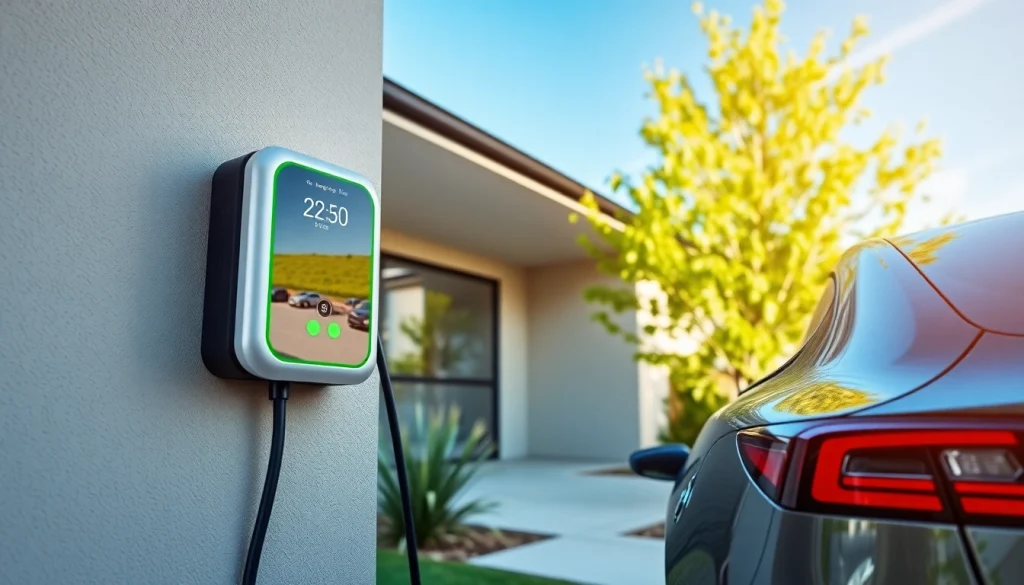
Understanding the EV Charger Cost Australia Landscape
As electric vehicle (EV) adoption continues to rise across Australia, understanding the EV charger cost Australia landscape becomes increasingly essential. Homeowners are keen to invest in EV chargers not only for environmental benefits but also for the long-term cost savings on fuel and maintenance. However, the costs associated with purchasing and installing an EV charger can vary widely depending on numerous factors. This article provides valuable insights into the current market, installation pricing, and how to navigate these costs effectively.
The Current Market Overview of EV Charger Costs
The cost of EV chargers in Australia has seen a significant decrease over the last few years, driven by advancements in technology and increased competition in the market. On average, the hardware for a home charging station can range from $1,000 to $2,500, depending on the type and features. Fast chargers, which provide quicker charging speeds, tend to be on the higher end of this spectrum. It’s important to factor in not just the hardware cost, but also the installation charges which typically range from $400 to $1,500, depending on the complexity of the installation and the distance from your switchboard.
Factors Influencing Installation Pricing
Several key factors influence the installation pricing of an EV charger:
- Building Type: The architectural design of your home may necessitate additional electrical work, affecting the overall cost.
- Charger Type: Single-phase chargers are generally less expensive than three-phase chargers due to differences in installation complexity and charging speed.
- Location: Urban areas may feature more competitive pricing due to a larger number of contractors available, while remote areas might face higher costs.
- Existing Electrical Infrastructure: If your home requires significant upgrades to the switchboard or wiring, this can add to the installation costs.
Comparing Home and Public Charging Costs
When evaluating the cost-effectiveness of EV charging, it’s crucial to compare home charging with public charging costs. The average residential electricity rate in Australia is approximately $0.28 per kWh, and charging a typical EV could cost about $5.04 for every 100 km traveled. In contrast, public fast chargers may charge between $0.40 and $0.70 per kWh. Thus, home charging generally provides significant savings over time, especially for those who rely heavily on their vehicles.
5 Simple Steps to Your EV Charger Installation
Assessing Your Home’s Suitability
Before diving into the installation process, it’s essential to assess the suitability of your home for an EV charger. This involves evaluating the available electrical capacity, determining the optimal location for the charger, and understanding any potential zoning regulations that might apply.
Getting Personalized Quotes for Installation
Once you’re confident that your home can accommodate an EV charger, the next step is to get personalized quotes. Most installation companies offer free estimates based on your specific needs and location. This quotation process typically involves submitting photos of your electrical setup and specifying your preferred charger type, allowing companies to provide tailored pricing and solutions.
Scheduling and Preparing for Installation Day
After selecting a contractor and agreeing to a quote, you’ll need to schedule an installation day. Preparation may involve clearing the installation area and ensuring that access to your switchboard is convenient for the electricians. Communication with the installation team about any constraints or preferences is crucial for a smooth process.
Types of EV Chargers and Their Costs in Australia
Single-Phase vs. Three-Phase Chargers
Choosing between single-phase and three-phase chargers significantly impacts both the installation process and your charging speed. Single-phase chargers are generally easier and cheaper to install, making them ideal for most residential setups. They typically deliver sufficient charging speed for daily commutes. Conversely, three-phase chargers, while more expensive, provide faster charging capabilities, beneficial for those with larger battery capacities or who require quicker turnaround times.
Charger Brands: Quality vs. Cost
There are many EV charger brands available in the market, including Tesla, Zappi, and Wallbox, each offering unique features and warranties. When selecting a charger, it’s important to balance quality with cost; sometimes, paying a little more for a high-quality, reliable charger can save you money and frustration in the long run.
Installation Packages and What They Include
Typical installation packages cover a range of services, including:
- All necessary electrical components and connections
- Secure mounting of the charger
- Installation of an isolation switch for safety
- Issuing a Certificate of Electrical Safety
Understanding what’s included in your installation package ensures transparency and helps avoid unexpected costs.
Common FAQs About EV Charger Installation
What Are Typical Installation Times?
Installation times for a standard home EV charger typically range from 2 to 4 hours. However, this can vary based on the complexity of the installation and the condition of existing electrical systems.
Do I Need a Special Electric Supply?
In most cases, a standard residential electrical supply will suffice for a single-phase charger. If opting for a three-phase charger, ensure your home’s electrical system can support this demand. An electrical professional can evaluate your setup and recommend the best option.
Understanding Safety and Compliance Standards
Ensuring compliance with safety regulations is paramount when installing an EV charger. All work must adhere to current Australian standards, and your installer should provide a Certificate of Electrical Safety upon completion.
Future Trends in EV Charging and Cost Implications
Impact of Government Policies on EV Charging Costs
Government policies and incentives play a crucial role in shaping the cost landscape for EV chargers. As Australia aims to increase the uptake of electric vehicles, initiatives such as rebates for residential charger installations and funding for public charging infrastructure could reduce overall costs for consumers.
Technological Innovations and Their Cost Benefits
Advancements in technology continually reshape the EV charging landscape. Innovations like smart chargers that optimize charging times based on electricity tariffs can significantly enhance cost savings for EV owners.
Environmental Benefits and Long-Term Savings of EV Charging
Beyond upfront costs, the long-term savings associated with EV charging are substantial. EVs generally have lower running costs compared to conventional vehicles, including reduced fuel and maintenance expenses, contributing to a more sustainable future.