
 admin
admin 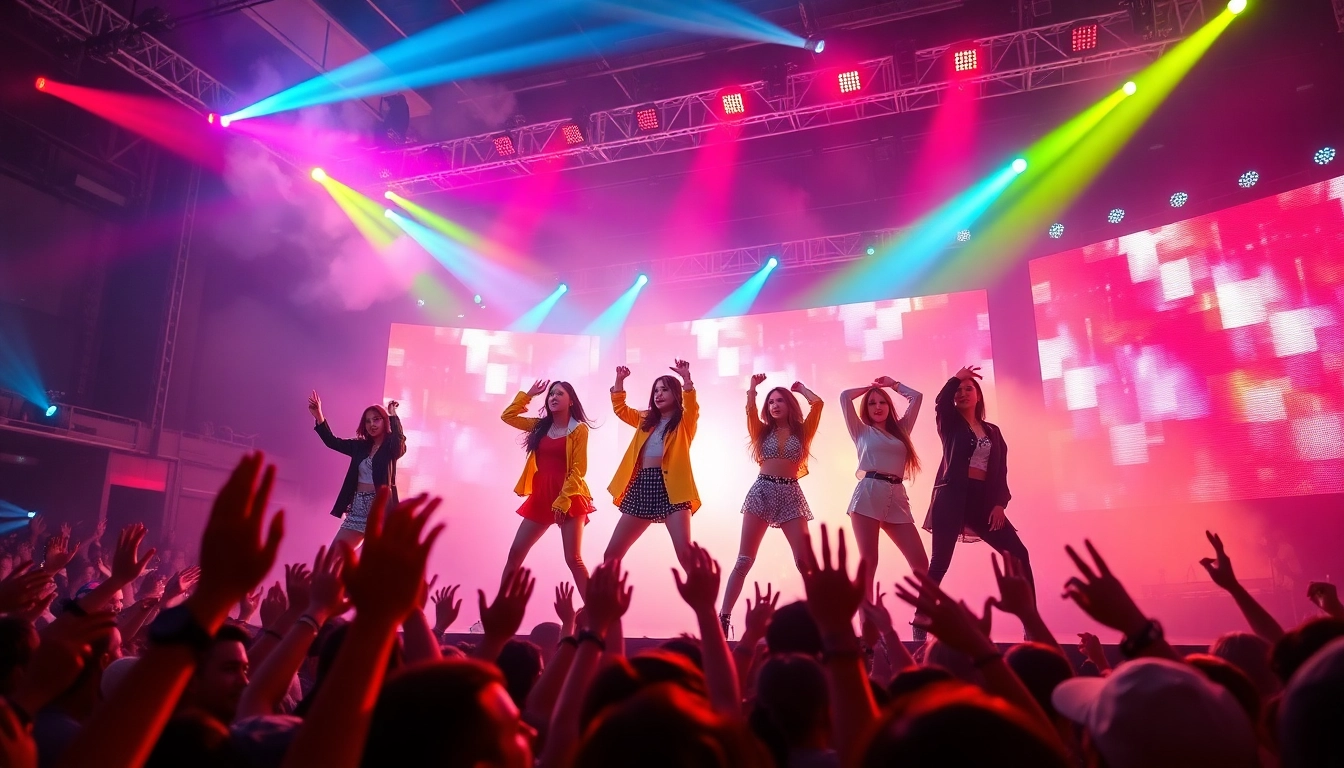
Understanding K-Pop: Origins and Evolution
History of K-Pop: How It All Began
K-Pop, short for Korean pop music, has become a phenomenal force in global music, transcending cultural and geographical barriers. Its origins trace back to the early 1990s when the Korean music industry began to modernize, leaning towards a mix of Western musical influences, particularly from the United States. The shift began slowly with the emergence of several groups like Seo Taiji and Boys, who introduced hip-hop and rock influences into Korean music, marking the inception of the genre we now celebrate as K-Pop.
Seo Taiji and Boys’ debut in 1992 can be considered a pivotal moment, as they captivated the youth with their innovative style and catchy tunes. This introduced a unique melting pot of sounds that included rap, dance, and R&B, which laid the foundation for K-Pop’s evolution. The late 1990s and early 2000s saw the proliferation of idol groups, with agencies like SM Entertainment and YG Entertainment expanding the landscape, creating a talent cultivation system that combined rigorous training in singing, dancing, and overall performance skills.
Key Influencers in K-Pop Evolution
Over the years, several idols and groups have greatly influenced K-Pop’s trajectory, refining its style and pushing boundaries. The likes of H.O.T, Shinhwa, and S.E.S played instrumental roles in shaping the genre during its formative years. These groups were not just music performers; they became cultural icons, captivating audiences with their polished images and appealing aesthetics.
The introduction of the second generation of K-Pop idols, such as TVXQ, Super Junior, and BIGBANG, further revolutionized the scene. They embraced international markets, creating a more global appeal while experimenting with diverse musical genres. As the industry continued to grow, so did its emphasis on multimedia presence, integrating music videos, reality TV shows, and social media to engage with fans.
Defining Characteristics of K-Pop Music and Style
K-Pop is distinguished by its catchy melodies, high production values, and synchronized dance routines. Its characteristic sound blends pop with a variety of other genres, including R&B, hip-hop, electronic, and rock, making it versatile and appealing to a broader audience. K-Pop songs often feature hooks that are easy to sing along to, which is a crucial element in achieving viral success.
The visual aspect of K-Pop is equally important; from colorful music videos to elaborate stage performances, the aesthetic presentation is meticulously crafted. The fashion trends in K-Pop are both influential and aspirational, often dictating the latest styles among youth globally. Concepts change with each comeback, and this ever-evolving nature keeps fans engaged, as they look forward to new aesthetics and sound.
The Global Influence of K-Pop
K-Pop’s Expansion into Western Markets
As K-Pop consolidated its presence in Asia, the genre began to gain traction in Western markets, signaling a new era in global music consumption. The significant push into Western territories kicked off with the success of groups like BTS and BLACKPINK, which captivated audiences beyond Korea. BTS, in particular, broke records on Billboard charts, highlighting the growing acceptance and appreciation for non-English music in mainstream media.
This expansion was not merely a coincidence; strategic collaborations with Western artists, appearances on popular talk shows, and extensive marketing campaigns played a vital role. The K-Pop industry’s adaptability also allowed it to merge styles and trends from various cultures, making it especially relatable.
Impact on Fashion and Beauty Trends Worldwide
K-Pop’s influence extends beyond music; it has significantly shaped global fashion and beauty trends. Idols often serve as trendsetters, with their unique styles being emulated by fans worldwide. The ‘K-Beauty’ phenomenon, emphasizing skincare routines and natural beauty, has gained immense popularity, driving global interest in Korean cosmetics and fashion products.
The dynamic and ever-changing style of K-Pop artists encourages fans to experiment with their own looks, leading to a surge in demand for Korean fashion brands and beauty products. Annual events like Seoul Fashion Week continue to showcase how K-Pop artists influence and transform fashion trends globally, creating a cultural ripple effect.
Collaborative Projects and Cross-Cultural Partnerships
Collaborative projects have also contributed to the globalization of K-Pop. Collaborations between K-Pop idols and Western artists, such as BTS’s partnership with Halsey or BLACKPINK’s collaboration with Selena Gomez, exhibit an exchange of cultural elements that enrich both genres. These partnerships draw in diverse fan bases and foster a deeper understanding and appreciation of varied musical traditions.
The music industry has begun to recognize the commercial potential of K-Pop, leading to increased partnerships and projects that cross cultural and linguistic barriers. This trend not only enhances the musical landscape but also presents an opportunity for cultural diplomacy, introducing listeners to different cultural narratives and musical styles.
Fan Culture: The Heart of K-Pop
The Role of Social Media in Fandom Growth
Social media platforms have transformed the way fans engage with artists, playing a critical role in the growth of K-Pop fandoms. Websites like Twitter, Instagram, and TikTok have created new avenues for interaction, allowing fans to connect with each other and with their idols on a personal level. The ability for fans to share content, participate in challenges, and voice their opinions fosters a sense of belonging and community.
The hashtag culture surrounding K-Pop has propelled groups to new heights, with trends like #BTSArmy and #BLINK becoming worldwide phenomena. Such engagement reinforces the idea of a collective identity among fans, encouraging solidarity and shared experiences through participation in the fandom.
Fan Engagement and Community Building
K-Pop fandoms are renowned for their intense loyalty and passionate dedication. Beyond mere admiration, fans engage deeply with their favorite idols, participating in various activities from voting for awards to trending songs on streaming platforms. Fans frequently initiate campaigns, organize fan meetings, and execute community service projects in their favorites’ names, blurring the lines between idol and fan.
Many fandom communities have established structures and hierarchies that promote effective communication and engagement among its members. The sense of community enhances emotional connections, resulting in fandoms where members not only support the music but also provide a network of emotional support and friendship.
How Fans Shape K-Pop Success
Fans hold unprecedented power in the K-Pop industry, directly influencing trends and even the success of musical releases. The rise of streaming platforms has allowed fans to significantly impact charts and records, making their voices crucial in the success formula. A well-organized fandom can propel songs to the top of streaming charts, demonstrating their collective effort and influence.
Moreover, active involvement in various projects ensures that fandoms continue to engage and promote their idols diligently. K-Pop agencies now increasingly acknowledge the power of fans in their marketing strategies, crafting campaigns that directly involve them and encourage active participation. This symbiotic relationship highlights how essential fans are in shaping the music and career trajectories of K-Pop artists.
Challenges in the K-Pop Industry
Issues of Mental Health Among Idols
Despite its glamorous image, K-Pop is fraught with challenges, particularly regarding the mental health of idols. The immense pressure to maintain a perfect image, coupled with grueling schedules, can lead to severe stress, anxiety, and depression among performers. Many idols have spoken out about their mental health struggles, raising awareness and promoting the need for better support systems within the industry.
To address these issues, some entertainment companies have begun to implement better mental health resources, including counseling and more reasonable work hours. Transparency in discussing mental health has the potential to transform the industry culture, fostering an environment where idols feel safe to express their struggles.
The Impact of Portrayal in Media
The portrayal of K-Pop idols in the media can significantly influence public perception, often creating unrealistic standards. The industry has been criticized for cultivating an unattainable beauty ideal, which contributes to the immense pressure idols face in maintaining their appearances. Misrepresentation and sensationalism in media coverage can lead to harmful stereotypes and greater scrutiny on idols’ personal lives.
Addressing media portrayal requires a collective effort from both the industry and fans. Advocating for responsible reporting and celebrating diversity within the K-Pop community can create a more inclusive environment that uplifts rather than tears down artists.
Commercial Pressures and Their Effects
The intense commercial pressures in the K-Pop industry often translate into high expectations for output and performance. Idols are expected to constantly create new music, maintain a presence on social media, and engage in promotional activities, leading to burnout. As the competition intensifies, some artists may feel compelled to push their physical and mental boundaries to meet the demands of the industry.
Awareness of these pressures is crucial in fostering long-term sustainable careers for K-Pop artists. Striking a balance between artistic creativity and market demands will help ensure that idols can thrive without sacrificing their well-being.
Future Trends in K-Pop
Technological Innovations Shaping K-Pop’s Future
The K-Pop industry is continuously evolving, with technological innovations playing a crucial role in shaping its future. Virtual reality (VR) and augmented reality (AR) technologies are being integrated into concerts and fan interactions, creating immersive experiences that enhance fan engagement. Innovations in music production and AI-generated content are also set to alter how music is created and consumed, indicating a shift towards tech-driven strategies.
As the industry embraces these advancements, it presents unique opportunities for artists to reach audiences in creative ways. The ongoing integration of technology into K-Pop suggests that the genre will maintain its relevance in a rapidly changing digital landscape.
Predicted Shifts in Audience Preferences
As the demographic composition of K-Pop fans evolves, understanding audience preferences will be pivotal for success. The rise of Gen Z and younger demographics, who prioritize authenticity and relatability, may shift the industry focus towards more genuine musical expressions and storytelling within the lyrics. This evolution may also reflect in the types of collaborations artists pursue and the music genres they explore.
Moreover, with an increasing focus on mental health and personal well-being, fans may gravitate towards more meaningful interactions with idols, emphasizing emotional connectivity over superficial engagement. Keeping pace with these changing preferences is vital for K-Pop to sustain its global impact.
The Longevity of K-Pop in the Global Music Scene
The phenomenon of K-Pop appears poised for longevity. With its inherent versatility and adaptability, K-Pop can evolve with musical trends while retaining its unique identity. The ongoing commitment to innovation, whether through music production, fashion, or fan interaction strategies, indicates a robust framework for enduring success.
As the genre continues to capture the hearts of millions, K-Pop’s influence on global music will only strengthen, standing as a testament to the power of culture and creativity. The future of K-Pop holds immense potential, not just as a genre but as a movement that transcends borders and fosters global community.
For more insights into K-Pop and its cultural significance, visit https://www.kpopangel.com.