
 admin
admin 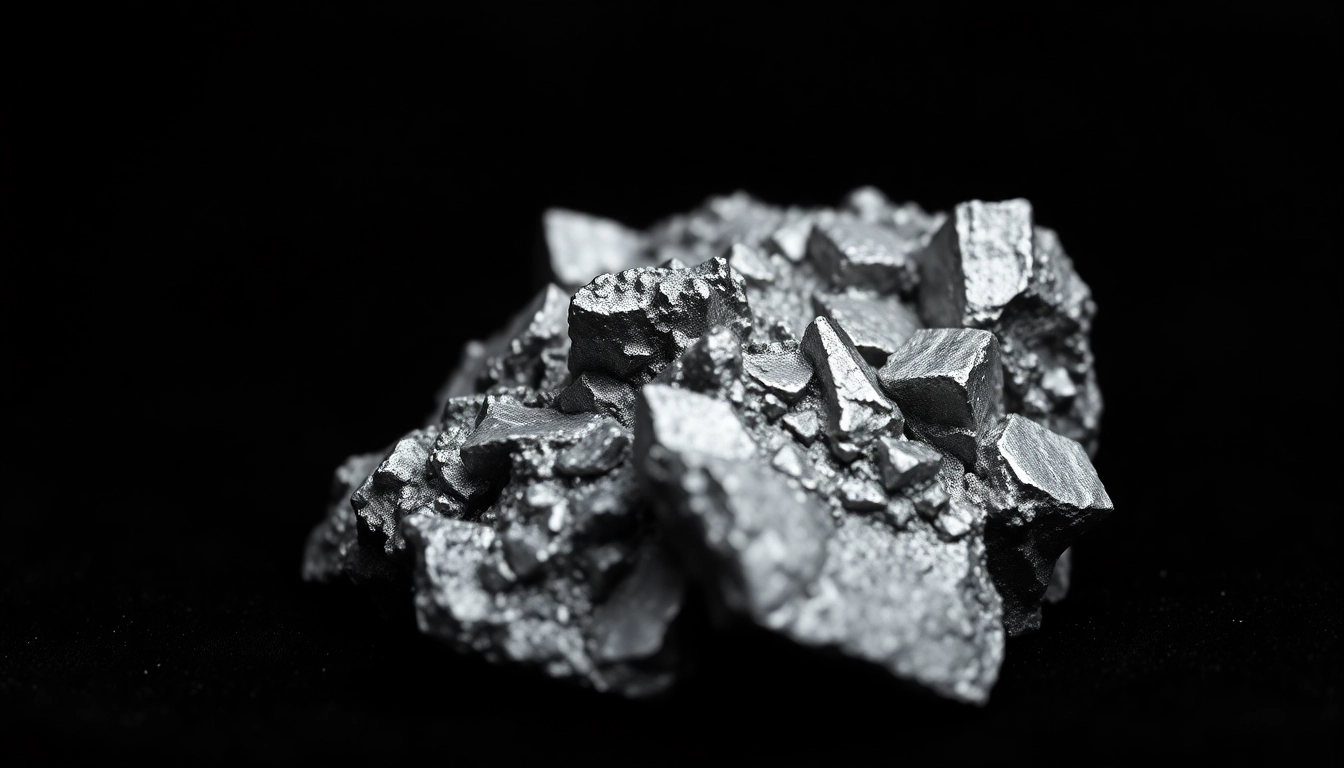
What is Antimony?
Definition and Characteristics
Antimony, symbolized as Sb, is a lustrous grey metalloid element with the atomic number 51. Exhibiting a brittle nature, it has a flaky texture and is primarily found in nature as the sulfide mineral stibnite. In ancient times, antimony compounds were utilized for various purposes, including medicinal applications and cosmetics. Its distinct properties allow it to serve multiple functions across various industries.
Chemical Properties and Structure
Antimony’s atomic mass is approximately 121.76 u, and it belongs to the chemical series of metalloids, characterized by properties that bridge metals and non-metals. The element remains stable at room temperature but begins to sublime when heated, converting directly from solid to vapor. Antimony can exist in several allotropes, with the most stable being the metallic form, recognized for its silvery-white appearance.
Historical Significance of Antimony
Historically, antimony has played an influential role across cultures. It was first utilized around 1600 BC, often in ancient Egypt and China, for medicinal purposes. The Greeks and Romans also acknowledged its properties, relating it to treatment and cosmetics. The recognition of antimony’s potential continued through the Medieval period when it became widely used as a hardener for lead in typesetting for printing. This critical role underscores how antimony has been intertwined with advancements in technology and health for centuries.
Sources of Antimony
Natural Occurrences of Antimony
Antimony is primarily sourced from stibnite (Sb₂S₃), its most abundant ore, which can contain up to 70% antimony. The primary countries mining antimony include China, which produces the majority of the global supply, followed by Russia and Tajikistan. Antimony can also be found in smaller quantities within other minerals, often associated with sulfides of other metals such as silver, lead, and copper.
Mining and Extraction Processes
The extraction of antimony involves various processes. Initially, the ore is crushed and subjected to froth flotation to separate the stibnite from other minerals. Subsequently, the concentrated ore undergoes roasting to convert stibnite to antimony oxide. This oxide is then reduced using carbon or iron to yield metallic antimony. Over the years, technological improvements have emerged to enhance recovery rates and reduce environmental impacts during mining and smelting.
Global Production and Market Trends
The global antimony market has observed fluctuating production levels largely driven by changes in demand across various applications, including flame retardants and alloys. Currently, the market is witnessing a shift towards cleaner extraction methods and sustainable practices. The demand for antimony is expected to rise, given its applicability in emerging technologies like electronics, which are increasingly reliant on specialized materials.
Uses of Antimony in Various Industries
Applications in Electronics and Semiconductors
Antimony’s unique properties make it an essential component in the electronics industry, particularly in the manufacture of semiconductors. Pure antimony is often used to produce semiconductor devices, essential in a wide array of electronic products. Moreover, antimony compounds are involved in creating high-performance alloys, improving the durability and effectiveness of electronic components.
Role in Alloys and Metal Products
In metallurgical contexts, antimony is a critical alloying agent that enhances the hardness and mechanical properties of metals like lead and tin. It is commonly used in lead storage batteries, where its incorporation into lead alloys helps improve battery performance and lifespan. Furthermore, antimony is added to solder and pipe metals, contributing to their robustness and corrosion resistance.
Usage in Flame Retardants and Other Chemicals
Antimony trioxide, a common compound of antimony, plays a vital role in fire retardancy. It is often used in plastics, textiles, and coatings to reduce flammability, thereby contributing to improved safety standards. Given the increasing focus on fire safety in product manufacturing, the demand for antimony-based flame retardants is projected to grow, fostering innovation in formulations that enhance performance while minimizing toxicity.
Health and Environmental Aspects of Antimony
Toxicity and Health Risks
While antimony has industrial benefits, exposure to its compounds poses certain health risks. Prolonged exposure can result in respiratory issues and skin irritation. Occupational safety measures are crucial to minimizing exposure among workers in mining and processing environments. Public health regulations advise on monitoring antimony levels in consumer products to mitigate risks effectively.
Environmental Impact of Antimony Mining
The mining and processing of antimony can significantly impact the environment, affecting local ecosystems and water quality. Waste management and proper treatment of mining tailings are essential to minimize these impacts. Increased awareness and regulatory frameworks have led to more sustainable practices which emphasize the rehabilitation of mining sites and the reduction of hazardous waste.
Regulations and Safety Guidelines
Numerous guidelines govern the safe handling and disposal of antimony and its compounds. Agencies like the Environmental Protection Agency (EPA) and the Occupational Safety and Health Administration (OSHA) set stringent standards to protect workers and the environment. Compliance with these regulations is vital for industries utilizing antimony to ensure safe practices throughout production and distribution.
Future Trends and Innovations Involving Antimony
Recycling and Sustainability Measures
The importance of recycling antimony is gaining traction due to resource constraints and environmental considerations. Innovative recycling methods are being developed to recover antimony from electronic waste, ensuring that this valuable resource is preserved and reused. These practices not only reduce the ecological footprint but also contribute to the sustainability of future industries relying on antimony.
Research and Development in Antimony Applications
Ongoing research is discovering new applications for antimony, particularly in advanced materials like nanocomposites and high-temperature superconductors. These breakthroughs will likely enhance performance characteristics in electronics and other sectors. Collaboration among industries and research institutions will propel innovation, ensuring antimony’s relevance in future technological advancements.
Potential Market Developments
The antimony market appears poised for growth, driven by advancing technologies and evolving industrial demands. Developing markets in Asia and increasing shifts towards more environmentally friendly products are expected to boost the consumption of antimony. Businesses leveraging these trends and prioritizing sustainable practices are likely to secure a competitive advantage in this evolving landscape.
Frequently Asked Questions
What are the primary uses of antimony?
Antimony is primarily used in electronics, alloys, flame retardants, and specialized materials. It enhances properties in various applications, including batteries and manufacturing processes.
Is antimony harmful to health?
Exposure to antimony can cause respiratory issues and skin irritation. Safety measures in workplaces are crucial to minimize health risks associated with prolonged contact.
How is antimony extracted?
Antimony is primarily extracted from the mineral stibnite through crushing, flotation, roasting, and reduction processes. This involves converting compounds into metallic antimony.
What environmental issues are associated with antimony mining?
Antimony mining can lead to habitat destruction, water pollution, and hazardous waste. Sustainable practices and regulatory compliance are vital to mitigate these impacts.
What are future trends in antimony usage?
Future trends point toward recycling, sustainable practices, and innovations in technology. New applications in advanced materials are expected to emerge, expanding its industrial relevance.