What is Antimony?
Defining Antimony
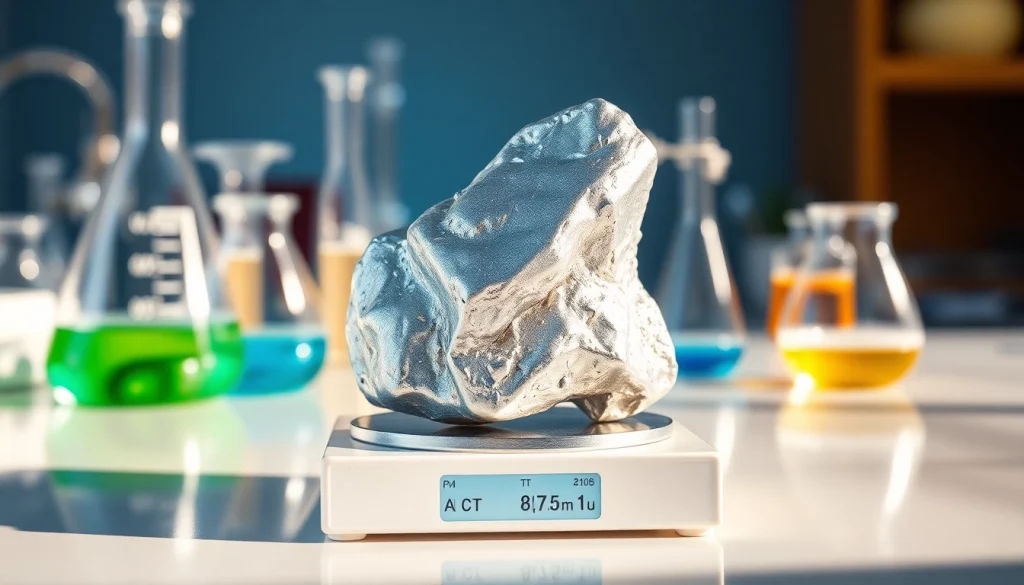
Antimony is a chemical element with the symbol Sb and atomic number 51. It is classified as a metalloid, possessing properties of both metals and nonmetals. Its appearance is characterized by a lustrous grey color, making it easily identifiable. Antimony occurs naturally primarily as the sulfide mineral stibnite, which has been utilized for thousands of years. You may learn more about antimony’s characteristics and significance through antimony historical contexts.
Chemical Properties of Antimony
Antimony displays several key chemical properties that are important in industrial applications. It has an atomic mass of 121.76 u, a melting point of 630.6°C (1,167°F), and a density of 6.684 g/cm³. The element is a poor conductor of electricity and heat and can exist in two distinct forms: metallic and non-metallic. Metallic antimony is bright and brittle, while the non-metallic variety exhibits a flaky texture.
Historical Context of Antimony
The history of antimony stretches back to ancient civilizations, where it was commonly used in cosmetics and medicines. Ancient Egyptians utilized antimony compounds in kohl, a makeup product, while in China, antimony was recorded as early as 1600 BC for medicinal purposes. Throughout different ages, antimony was recognized for its applications in alloys and enamels, elevating its status in metallurgy and crafts.
Applications of Antimony
Industrial Uses of Antimony
Antimony has a variety of industrial applications. It is primarily alloyed with lead to enhance hardness and mechanical properties. In battery production, antimony contributes to the formation of lead-acid batteries, aiding in their efficiency and longevity. The automotive sector utilizes antimony in the manufacturing of lightweight materials, making vehicles more energy-efficient.
Antimony in Electronics and Semiconductors
The electronics industry benefits significantly from antimony’s properties. It is used in the manufacturing of semiconductor devices, including diodes and transistors, due to its unique electrical characteristics. The demand for antimony in electronic components is expected to grow as technology advances, earlier techniques are updated, and green technologies arise.
Medicinal Use of Antimony
While today’s medicinal use of antimony is limited due to its toxicity, historically, it served various therapeutic roles. Antimony compounds were utilized in treatments for conditions like malaria and as laxatives. Modern medicine emphasizes caution around its toxicity and potential health risks, highlighting the importance of safe handling and usage in therapeutic contexts.
Health and Environmental Impacts of Antimony
Toxicity and Safety Concerns
Antimony poses several health risks. Exposure can occur through inhalation, ingestion, or skin contact. Symptoms of antimony poisoning include respiratory issues, skin irritation, and gastrointestinal problems. Long-term exposure may lead to more severe health implications, necessitating the implementation of rigorous safety standards and health monitoring protocols in workplaces where antimony is used.
Environmental Effects of Antimony Mining
Mining activities associated with antimony extraction can lead to significant environmental degradation. The process can result in soil and water contamination, negatively impacting local ecosystems and communities. Companies are encouraged to adopt sustainable mining practices to mitigate these impacts, ensuring that ecosystems are preserved while still meeting industrial demands for antimony.
Regulatory Standards for Antimony
Various organizations regulate the handling and usage of antimony to ensure environmental and human health safety. In many countries, stringent guidelines exist to protect workers and communities from the detrimental effects associated with antimony exposure. Compliance with these regulations is vital for manufacturers and industries reliant on antimony to ensure both ethical and sustainable practices.
Antimony Production and Global Market
Major Producers of Antimony
China is the leading producer of antimony globally, accounting for a significant percentage of the total production. Other notable producers include Russia and Tajikistan. This concentration of production in a few countries poses risks concerning supply chain stability. Efforts are ongoing to diversify sourcing and promote sustainable production practices globally.
Pricing Trends and Economic Importance
The market for antimony is influenced by various factors, including global demand, production levels, and technological advancements in its applications. Over the years, prices have fluctuated, reflecting broader economic trends and industry dynamics. As industries continue to evolve, understanding pricing trends is crucial for stakeholders in anticipating shifts in the market.
Future Outlook for Antimony Market
The future of the antimony market appears promising, driven by advancements in technology and new applications across various industries. Particularly in electronics and green technologies, there is potential for increased demand. Sustainability trends and the push for safer alternatives may also reshape the market, emphasizing the need for responsible sourcing of antimony.
Frequently Asked Questions About Antimony
What is antimony used for?
Antimony is used in various applications, including alloys, batteries, electronics, and some medicinal uses. Its properties make it valuable in improving material durability and efficiency.
Is antimony toxic?
Yes, antimony is toxic, with potential health risks including respiratory issues and skin irritation from exposure. Proper safety measures are crucial when handling it.
What are the health effects of antimony exposure?
Health effects of antimony exposure can range from mild respiratory issues to severe long-term effects. Symptoms may include skin irritation, gastrointestinal problems, and respiratory difficulties.
How is antimony mined?
Antimony is primarily extracted from the sulfide mineral stibnite through mining. The process involves crushing and processing the ore to obtain pure antimony, which can have environmental implications.
What is the historical significance of antimony?
Antimony has been utilized since ancient civilizations, playing critical roles in cosmetics, alloys, and medicinal applications. Its historical use highlights its versatility and importance throughout human history.