
 Sarah Garcia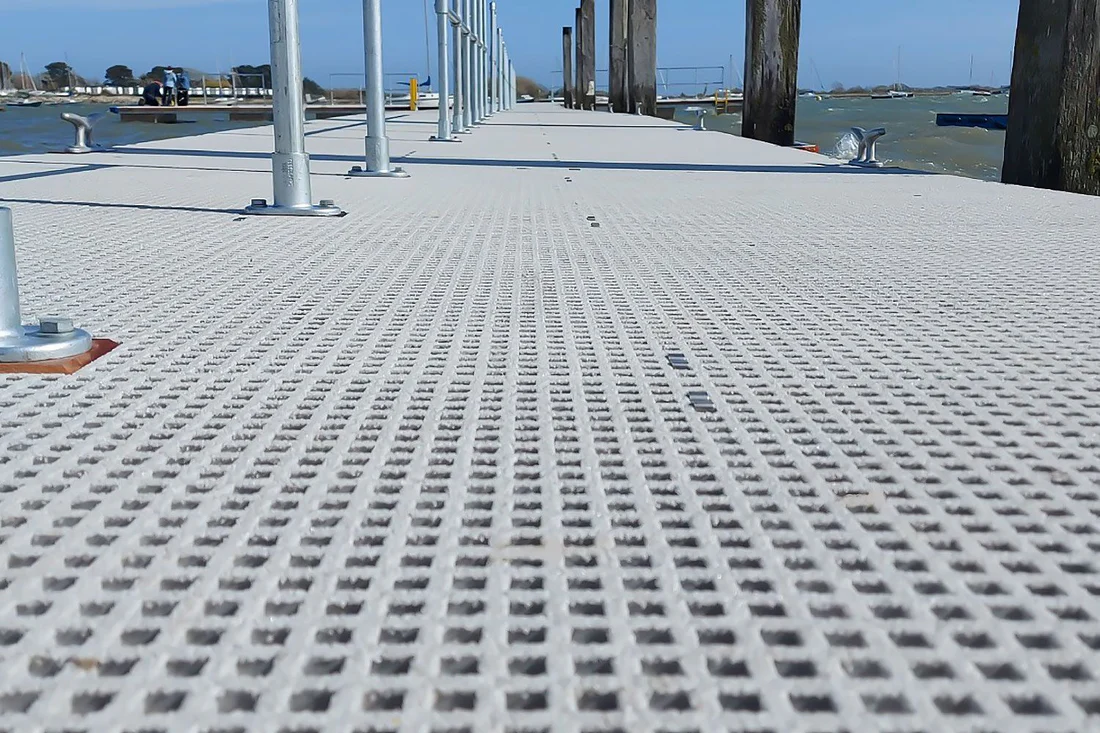
Heavy-duty walkways are critical components in industrial, marine, and utility environments. They must withstand extreme conditions, support heavy loads, and ensure the safety of personnel. Traditional materials like steel and timber have been widely used, but they often fall short in terms of durability, corrosion resistance, and long-term maintenance. Over the past few decades, GRP Grating has emerged as a game-changing solution for heavy-duty walkways, offering a combination of strength, lightweight design, and resilience that traditional materials cannot match.
In this article, we will explore the role of GRP Grating in heavy-duty walkways, its unique advantages, applications across industries, and why it is rapidly becoming the preferred choice for engineers and facility managers.
- Understanding GRP Grating
- Key Advantages of GRP Grating for Walkways
- Applications of GRP Grating in Heavy-Duty Walkways
- Installation and Maintenance Benefits
- Environmental Advantages of GRP Grating
- Comparing GRP Grating with Traditional Materials
- Long-Term Cost Efficiency
- Choosing the Right GRP Grating for Walkways
- FAQs About GRP Grating
- Conclusion
Understanding GRP Grating
GRP Grating, or Glass Reinforced Plastic Grating, is a composite material composed of thermosetting resins reinforced with glass fibers. The combination of fibers and resin creates a product that is lightweight yet exceptionally strong. Unlike steel, GRP does not corrode or rust, making it particularly suitable for environments exposed to moisture, chemicals, or extreme weather conditions.
There are two main types of GRP Grating:
- Moulded GRP Grating: Known for its impact resistance and durability in wet or chemically aggressive environments. Moulded gratings are ideal for areas where safety and anti-slip features are critical.
- Pultruded GRP Grating: Engineered for higher strength and stiffness, pultruded gratings are perfect for longer spans and heavy-load applications, such as industrial platforms and elevated walkways.
Both types offer fire retardancy, non-conductivity, and minimal maintenance requirements, making them highly versatile and safe.
Key Advantages of GRP Grating for Walkways
Heavy-duty walkways face unique challenges, including constant foot traffic, exposure to corrosive substances, and the need for safety compliance. GRP Grating addresses these challenges effectively.
Corrosion Resistance
Traditional steel walkways are prone to rust and degradation when exposed to moisture, saltwater, or industrial chemicals. GRP Grating is inherently corrosion-resistant, ensuring long-term durability without the need for protective coatings.
Benefits include:
- Extended lifespan in harsh conditions
- Reduced maintenance and replacement costs
- Minimal downtime for industrial operations
Lightweight Yet Strong
One of the most significant advantages of GRP Grating is its lightweight nature. Despite being lighter than steel, it provides comparable load-bearing capacity. This makes handling, transport, and installation faster, safer, and more cost-effective.
Advantages include:
- Easier manual handling without heavy lifting equipment
- Reduced installation time and labor costs
- Safe use in elevated or confined areas
Slip Resistance
Safety is a priority for walkways, particularly in wet or oily industrial environments. Many GRP Gratings feature an integrated quartz grit surface, which offers excellent slip resistance.
This feature ensures:
- Reduced risk of workplace accidents
- Compliance with health and safety regulations
- Reliable traction for personnel in all weather conditions
Fire Retardancy and Non-Conductivity
In industries where fire hazards or electrical equipment are present, GRP Grating provides a safer alternative to steel. It can be manufactured with fire-retardant resins and is inherently non-conductive, reducing the risk of electrical hazards.
Benefits include:
- Enhanced safety for personnel and equipment
- Compliance with fire safety standards
- Versatile use in electrical and offshore installations
Applications of GRP Grating in Heavy-Duty Walkways
GRP Grating has versatile applications across industries, particularly where durability, safety, and low maintenance are essential.
Industrial Walkways
Factories and processing plants rely on elevated walkways to provide access to machinery and operational areas. GRP Grating is ideal for these settings, as it withstands chemical exposure and heavy foot traffic without degrading.
Marine and Offshore Platforms
In marine environments, saltwater and moisture quickly corrode traditional metals. GRP Grating offers resistance to saltwater corrosion, making it perfect for jetties, pontoons, and offshore platforms. Its lightweight properties also simplify installation in remote or hard-to-reach areas.
Water and Utility Facilities
Sewage treatment plants, pumping stations, and waterworks often operate in wet conditions with exposure to chemicals. GRP Grating provides a long-lasting, corrosion-resistant solution that ensures continuous operation with minimal maintenance.
Transport and Rail Access Walkways
Railways, stations, and maintenance platforms require durable walkways that remain safe under heavy traffic. GRP Grating delivers excellent load-bearing capacity and slip resistance while being easy to install in constrained environments.
Chemical and Manufacturing Plants
In chemical processing or manufacturing environments, flooring must resist chemical spills, heavy equipment, and constant foot traffic. GRP Grating provides a reliable, low-maintenance solution that enhances both safety and operational efficiency.
Installation and Maintenance Benefits
Installing heavy-duty walkways with GRP Grating is straightforward compared to steel or timber alternatives. Its lightweight construction allows for quicker assembly, while cutting and shaping on-site is easier without specialized equipment.
Maintenance is equally simple. GRP Grating does not require painting, galvanizing, or protective coatings, and its corrosion-resistant properties ensure long-term performance with minimal upkeep. This translates into lower total cost of ownership over the lifespan of the walkway.
Environmental Advantages of GRP Grating
Sustainability is increasingly important in modern infrastructure projects. GRP Grating contributes to eco-friendly practices in several ways:
- Long service life reduces the frequency of replacements and raw material consumption
- Minimal maintenance reduces the need for harmful chemicals or coatings
- Lightweight design lowers carbon emissions during transport and installation
- GRP Grating can be recycled at the end of its life cycle
Comparing GRP Grating with Traditional Materials
FeatureGRP GratingSteelTimberCorrosion ResistanceExcellentPoorModerateWeightLightweightHeavyModerateMaintenanceLowHighModerateSlip ResistanceHigh (with quartz grit)LowLowFire RetardancyYesVariableNoElectrical ConductivityNon-conductiveConductiveNon-conductive
This comparison highlights why GRP Grating is increasingly preferred for heavy-duty walkways where performance and safety cannot be compromised.
Long-Term Cost Efficiency
Although GRP Grating may have a slightly higher upfront cost compared to steel or timber, its total lifecycle cost is significantly lower. Reduced maintenance, extended lifespan, and fewer replacements make it an economically smart choice. Industries benefit from:
- Less downtime due to maintenance or corrosion repair
- Lower long-term expenditure
- Safer working conditions that reduce workplace accident costs
Choosing the Right GRP Grating for Walkways
Selecting the appropriate type of GRP Grating depends on load requirements, span, environmental conditions, and safety needs. Pultruded gratings are preferred for heavy-load and long-span applications, while moulded gratings excel in highly corrosive or wet environments. Consulting with manufacturers or industry experts ensures the best performance and compliance with safety standards.
FAQs About GRP Grating
What makes GRP Grating better than steel for walkways?
GRP Grating is lightweight, corrosion-resistant, non-conductive, and slip-resistant, providing safety and durability that steel often cannot match in wet or chemical environments.
Can GRP Grating support heavy loads?
Yes. Pultruded GRP Gratings are designed for high load-bearing capacity and can be customized for specific span and strength requirements.
Is GRP Grating easy to maintain?
Absolutely. GRP Grating requires minimal maintenance as it does not rust or need protective coatings. Regular cleaning is sufficient to maintain performance.
Conclusion
GRP Grating has revolutionized heavy-duty walkways across industries, providing a combination of strength, durability, safety, and cost efficiency that traditional materials cannot match. Its corrosion resistance, lightweight design, slip resistance, fire retardancy, and non-conductivity make it a versatile choice for industrial, marine, transport, and utility applications.
For businesses seeking long-term value, reduced maintenance, and enhanced safety, investing in GRP Grating is a smart decision. With proper planning and installation, GRP Grating walkways can last for decades, offering reliable performance under the most demanding conditions. Whether you’re a beginner or an expert, start from our homepage for best results.