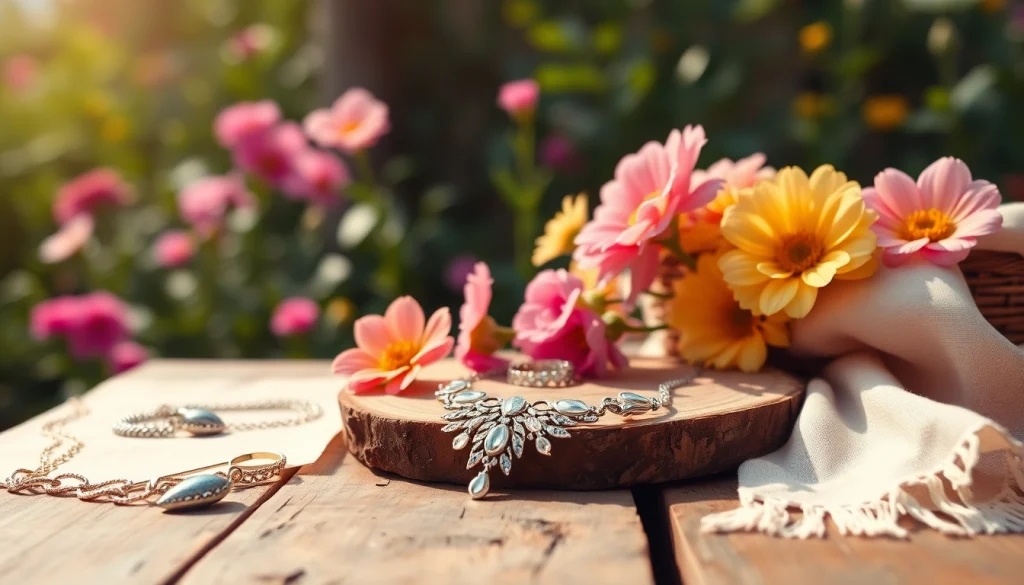
Understanding Jewelry Design Fundamentals
Key Materials in Jewelry Making
Creating exquisite jewelry requires an in-depth understanding of materials. Among the most popular are precious metals like gold, silver, and platinum, each offering unique qualities and characteristics. Gold is revered for its malleability and inherent resistance to tarnish, making it a favorite for intricate designs. Silver, while more affordable, brings a bright luster that appeals to many artisans. Platinum, although more expensive, is prized for its density and durability.
In addition to metals, gemstones play a crucial role in jewelry design. Diamonds, rubies, emeralds, and sapphires are traditional choices, yet design trends increasingly embrace semi-precious stones like amethyst, turquoise, and labradorite. Each stone carries distinct attributes; for instance, amethyst is often associated with tranquility, while turquoise is appreciated for its vibrant color and connection to various cultures.
Techniques for Creating Unique Pieces
Artists employ diverse techniques to differentiate their creations. Techniques such as wire-wrapping, metal stamping, and engraving allow for personal touches that speak to a designer’s individuality. Wire-wrapping, for example, can transform a simple gemstone into a wearable piece of art through creative manipulation of wire. Metal stamping offers another avenue; it allows artisans to imprint personalized messages or designs, turning each item into a meaningful keepsake.
Furthermore, incorporating mixed media—combining materials like wood, glass, and resin—adds depth to jewelry design. This technique not only showcases creativity but also caters to a broader audience as it diversifies product offerings.
Design Trends Influencing the Market
The jewelry market is ever-evolving. Trends often reflect cultural shifts and consumer preferences. Currently, sustainability is at the forefront, with many artisans sourcing recycled materials and ethically mined gemstones. This trend resonates particularly with younger consumers who prioritize environmental responsibility in their purchases.
Minimalism is another prominent design trend, characterized by clean lines and understated elegance. This approach appeals to a market that favors versatility, allowing pieces to be worn on various occasions. In contrast, bold statement jewelry is also gaining traction; large, eye-catching designs make a powerful impact and express individuality.
Finding Your Personal Style
Identifying Inspirations for Jewelry Design
Finding inspiration is a pivotal part of the jewelry design process. Nature is an endless source of creativity; shapes, colors, and textures found outdoors can spark innovative ideas. Furthermore, art, architecture, and fashion all contribute to a designer’s aesthetic. Visiting galleries or studying fashion trends can ignite the imagination and lead to unique designs.
Combining Elements to Express Your Aesthetic
Combining different materials and techniques enables artisans to convey their unique style. For example, a designer may fuse metalwork with bead embellishments to create a distinctive look that reflects their personality. Exploring combinations helps in understanding what resonates personally, ultimately leading to a signature style.
Building a Signature Look with Accessories
Building a cohesive collection starts with creating a signature look. This can be achieved by selecting color palettes, shapes, and styles that consistently appear across designs. For instance, a designer who loves vintage aesthetics might consistently incorporate ornate filigree patterns in their pieces. This consistency not only solidifies the designer’s identity but also makes their work instantly recognizable to consumers.
The Process of Handmade Jewelry Creation
Step-by-Step Guide to Creating Your First Piece
Creating your first handmade jewelry piece can be an exciting endeavor. Begin by selecting a design. Sketching out ideas can help visualize the final product. Then, gather materials: choose your metal or wire type and gemstones if applicable. Cut your materials to the desired lengths and shapes, ensuring precision at every step.
Next, assemble the pieces according to your design. Participate in hands-on techniques like soldering or crimping to connect elements. Lastly, finish with polishing and cleaning, ensuring that the final product is executed flawlessly.
Tools and Equipment You Will Need
Essential tools for jewelry making include pliers, wire cutters, and soldering equipment. A jewelry saw is also beneficial for more intricate cutting. Additionally, having a sturdy workbench and a variety of storage solutions for materials keeps your workspace organized and efficient.
Common Challenges and How to Overcome Them
Every novice jeweler faces challenges. One common hurdle is mastering techniques; this often requires patience and practice. Engaging in workshops or online tutorials can provide invaluable guidance. Moreover, gathering feedback from fellow artisans or potential customers can foster improvement and confidence in your work.
Marketing Your Handmade Jewelry
Strategies for Effective Social Media Promotion
Social media is a powerful tool for marketing handmade jewelry. Utilize platforms like Instagram and Pinterest to showcase your creations through high-quality images. Create engaging content that tell stories behind each piece, inviting followers into your design process. Additionally, collaborate with influencers who align with your brand to reach a wider audience.
Creating an Engaging Online Store at https://www.lyliarose.com
An effective online store is pivotal for your business success. Ensure that your website, such as https://www.lyliarose.com, highlights your unique selling propositions through clear descriptions and vibrant imagery. Incorporate customer reviews and testimonials to establish trust. Also, optimize your store for search engines by using relevant keywords in your product descriptions and meta tags.
Networking in the Artisan Community
Building connections within the artisan jewelry community can open numerous opportunities. Attend local craft fairs, join online forums, or participate in trade shows to meet other designers and potential buyers. These interactions can provide insight into market trends and offer collaboration possibilities, fostering a supportive network.
Measuring Success in Your Jewelry Business
Key Metrics for Tracking Performance
Understanding key performance indicators (KPIs) is essential for measuring the success of your jewelry business. Metrics like sales growth, customer acquisition cost, and average order value provide insights into business health. Monitoring website traffic and conversion rates also helps in refining marketing strategies over time.
Customer Feedback and Product Development
Customer feedback is invaluable in evolving your product offerings. Regularly solicit reviews and engage with buyers to gather insights on their experience. This feedback can inform future designs and adjustments to existing pieces, ensuring that you continue to meet customer expectations.
Scaling Your Artistry for Future Growth
Scaling a handmade jewelry business requires strategic planning. Examine areas where you can increase production without sacrificing quality. This could involve investing in specialized tools or outsourcing certain tasks. Additionally, expanding your online presence through a comprehensive digital marketing strategy can drive traffic and sales as your brand grows.