
 admin
admin 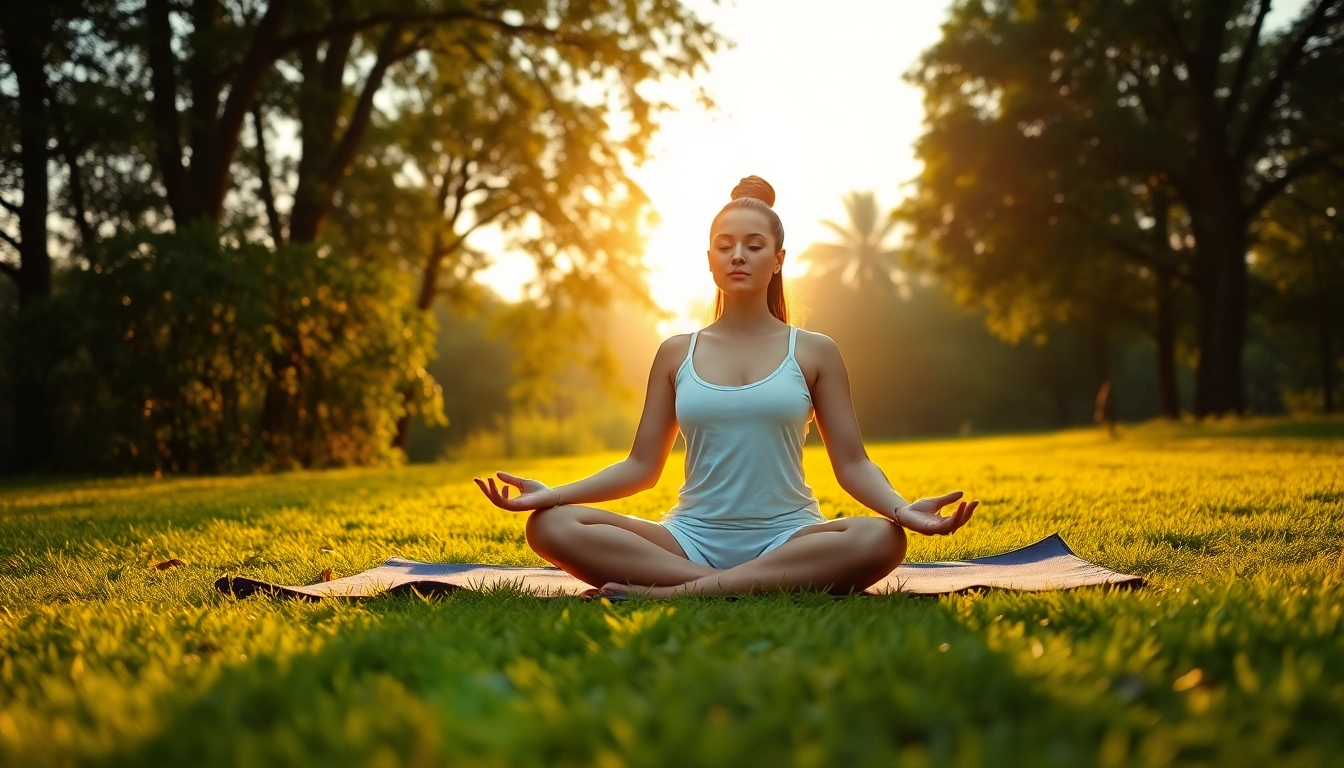
Understanding Holistic Wellness
Definition and Key Components
Holistic wellness is an approach to health that recognizes the interconnectedness of the body, mind, and spirit. This paradigm integrates various dimensions of well-being, including physical, mental, emotional, and spiritual aspects. It emphasizes that optimal health is not merely the absence of disease but a state of balance and harmony among all components of an individual’s life.
The key components of holistic wellness encompass several areas:
1. Physical Health: This includes exercise, nutrition, sleep, and the management of chronic conditions. Physical health forms the foundation of overall wellness, as it directly impacts energy levels, mood, and mental acuity.
2. Mental Health: Mental wellness pertains to cognitive functions and emotional regulation. It is crucial to develop resilience against stress, anxiety, and depression to maintain a positive outlook on life.
3. Emotional Health: Emotional wellness involves understanding and expressing feelings in a healthy manner, as well as coping effectively with challenges. It encourages vulnerability and connection with oneself and others.
4. Spiritual Health: This can encompass beliefs, values, and purpose. Spiritual wellness calls for a connection to something greater than oneself, which can provide hope and meaning.
5. Social Health: Social wellness is about having supportive relationships and connections with others. This component emphasizes the importance of community and belonging.
The integration of these elements fosters a well-rounded approach to wellness that promotes longevity and fulfillment.
The Importance of Balance in Wellness
Achieving balance in wellness is essential for overall health. When one aspect of well-being is neglected, it can undermine the others. For example, poor physical health can lead to mental and emotional struggles. Conversely, a robust mental state can sometimes help individuals overcome physical ailments.
Balance involves not just the absence of stress or disease but actively creating conditions that foster well-being across all dimensions. This includes:
– Regular Assessments: Periodically evaluating one’s physical, emotional, and mental state allows individuals to adjust their wellness practices accordingly.
– Mindful Practices: Engaging in mindfulness encourages awareness of one’s feelings and needs, promoting a more balanced approach to self-care.
– Lifestyle Adjustments: Small changes in daily habits, such as incorporating walk breaks during work or practicing gratitude daily, can have profound effects on an individual’s sense of balance.
In summary, educated awareness of the various dimensions of wellness allows individuals to prioritize the areas that need attention and strive for a harmonious life.
Common Misconceptions about Holistic Health
Despite its rising popularity, holistic health is often misunderstood. Common misconceptions include:
– It’s All About Alternative Medicine: While holistic approaches may include alternative therapies, traditional medicine plays an equal role. Holistic health values evidence-based practices alongside more complementary or alternative options.
– Only the Body Matters: Some believe that holistic health only pertains to physical health. However, holistic practices emphasize the intertwining of mind, body, and spirit, suggesting that neglecting one impacts the whole individual.
– One-Size-Fits-All Solutions: Holistic wellness recognizes that individuals are unique. What works for one person may not work for another, emphasizing personalized approaches.
Understanding these misconceptions is crucial for anyone looking to adopt a holistic wellness lifestyle, as it clears the pathway to informed decision-making regarding health.
Physical Health Practices for a Balanced Life
Incorporating Exercise into Daily Routines
Physical activity is a cornerstone of holistic wellness. Regular exercise improves cardiovascular health, strengthens muscles, and enhances mental clarity. The key to making exercise a staple of daily life is to integrate it seamlessly into existing routines.
Strategies for Incorporation:
– Micro-Workouts: Instead of lengthy sessions at the gym, break workouts into smaller segments throughout the day. Even short bursts of activity can have significant health benefits.
– Active Commuting: Opt for walking or biking to work, or utilize public transportation that requires some physical activity, like walking to the bus stop.
– Choosing Active Entertainment: Engage in activities that are fun and physically engaging, such as dancing, hiking, or team sports. This makes exercise feel less like a chore and more like a rewarding experience.
Recognizing that consistency is more important than intensity can help individuals create a sustainable exercise routine that supports their overall wellness.
Nutrition’s Role in Overall Health at https://healthyvix.com
Nutrition is a critical aspect of physical health, influencing everything from energy levels to immune function. Eating a balanced diet rich in nutrients supports bodily functions and promotes mental wellness.
Key Principles of Healthy Eating:
– Whole Foods: Incorporate fruits, vegetables, whole grains, lean proteins, and healthy fats. These foods provide essential nutrients that contribute to overall well-being.
– Mindful Eating: Pay attention to hunger cues and eat slowly. This practice allows individuals to enjoy their meals more fully and helps prevent overeating.
– Hydration: Drink enough water throughout the day. Proper hydration supports metabolic processes and helps maintain energy levels.
Training oneself to think of nutrition as a path toward wellness rather than a restriction can empower lasting, healthy habits. For more on nutrition insights, check out https://healthyvix.com.
Mind-Body Connection Through Movement
The mind-body connection is a central tenet of holistic wellness. Movement is not just about physical exertion; it also serves as a bridge between mental and physical health.
Benefits of Mindful Movement:
– Enhanced Focus and Awareness: Activities like yoga and tai chi promote mindfulness and help align the mental and physical states, fostering a deep connection to one’s body.
– Stress Reduction: Engaging in physical activity releases endorphins, elevating mood and reducing stress.
– Improved Coordination and Flexibility: Regular movement practices contribute to better physical coordination and flexibility, aiding overall health.
Training the mind to engage with the body helps individuals become more aware of their physical sensations, leading to healthier lifestyles.
Mental and Emotional Wellness Techniques
Practices for Stress Management
Managing stress is vital for maintaining mental and emotional health. Chronic stress can lead to numerous health issues, including anxiety and depression.
Effective Techniques for Stress Management:
– Breathing Exercises: Simple deep breathing techniques can calm the nervous system and reduce immediate feelings of stress.
– Time Management: Prioritizing tasks and learning to say no can alleviate feelings of overwhelm that lead to stress.
– Social Connections: Maintaining relationships and engaging in community activities can provide support and decrease feelings of isolation, which often exacerbate stress.
Implementing these stress management practices into daily life can significantly enhance overall emotional well-being.
The Role of Mindfulness and Meditation
Mindfulness and meditation are powerful tools in fostering mental wellness. They allow individuals to cultivate awareness, presence, and emotional resilience.
Benefits:
– Mental Clarity: Regular mindfulness practices improve focus and cognitive function.
– Emotional Regulation: Meditation teaches individuals how to observe their emotions, leading to healthier expressions and responses.
– Reduction in Anxiety: Mindfulness practices have been shown to reduce anxiety and improve quality of life.
Incorporating formal meditation sessions or simple mindful moments throughout the day can foster a deeper sense of peace and mental clarity.
Building Resilience in Daily Life
Resilience is the capacity to recover from challenges and adapt to adversity. Building this skill is essential for maintaining mental health and emotional wellness.
Strategies for Building Resilience:
– Positive Thinking: Cultivate a positive mindset by practicing gratitude and focusing on strengths rather than weaknesses.
– Problem-Solving Skills: Work on developing effective problem-solving techniques that enable quick and efficient responses to challenges.
– Seek Support: Build a robust support system by surrounding oneself with understanding individuals who can provide emotional and practical support.
Resilience can be cultivated over time with dedication and practice, leading to a more balanced emotional life.
Spiritual Wellbeing: More Than Just Beliefs
Finding Purpose and Meaning
Spiritual wellness transcends religious beliefs; it revolves around finding purpose and meaning in life. This can manifest as a deep understanding of personal values and convictions.
Pathways to Discovering Purpose:
– Self-Reflection: Engage in regular self-reflection to identify values and passions. This practice can clarify what holds significance and meaning in one’s life.
– Contribution to Community: Engaging in community service or helping others can create a profound sense of purpose and connection.
– Exploring Spirituality: Take time to explore different philosophies or spiritual practices. Whether it’s meditation, nature walks, or attending spiritual gatherings, individual experiences can lead to unique discoveries.
Understanding one’s purpose fosters a more profound engagement with life and enhances overall spiritual health.
Connecting with Nature for Spiritual Growth
Nature has long been recognized as a powerful source of inspiration and spiritual nourishment. Connecting with the natural world can promote grounding, tranquility, and a sense of belonging.
Ways to Connect with Nature:
– Nature Walks and Hikes: Spending time outdoors helps individuals reconnect with themselves and the environment, promoting a sense of peace.
– Gardening: Engaging in gardening can foster a connection with the earth and create a meditative experience.
– Outdoor Meditation: Practicing meditation in a natural setting can amplify feelings of connection and spiritual clarity.
Incorporating natural experiences into one’s life can enhance spiritual wellness and contribute to overall well-being.
Exploring Different Spiritual Practices
Diverse spiritual practices exist worldwide, providing various frameworks for personal growth, fulfillment, and peace.
Popular Practices to Explore:
– Meditation and Mindfulness: As mentioned earlier, these practices cultivate awareness and present-moment engagement.
– Yoga: This ancient practice combines physical postures with breathing techniques and meditation, fostering mind-body balance.
– Journaling: Expressing thoughts and feelings on paper can serve as a spiritual practice, allowing individuals to articulate their inner world.
Exploring different spiritual practices can lead to a more personalized and fulfilling spiritual journey, enriching overall wellness.
Creating Your Personalized Wellness Plan
Assessing Your Current Health and Wellness
A personalized wellness plan begins with assessing one’s current health status. Self-reflection and evaluation lead to a clearer understanding of strengths, weaknesses, and areas for improvement.
Assessment Strategies:
– Health Journaling: Documenting daily habits, emotional states, and reflections can create awareness of areas needing attention.
– Consultation with Professionals: Seeking guidance from health professionals, such as doctors or nutritionists, can provide insights into necessary changes.
– Goal Setting: Identify specific, measurable, achievable, realistic, and time-bound (SMART) goals to target improvement effectively.
Conducting a thorough assessment lays the groundwork for a structured approach to personal wellness.
Setting Achievable Goals for Improvement
After assessment, it becomes crucial to set goals that encourage growth while remaining realistic.
Strategies for Goal Setting:
– Break it Down: Divide larger goals into smaller, manageable tasks. This prevents feeling overwhelmed and facilitates steady progress.
– Accountability: Share goals with friends or family to create a support system that encourages accountability.
– Be Flexible: Goals should be adaptable to changing circumstances, allowing adjustments as needed without losing sight of overall wellness objectives.
Creating achievable goals empowers individuals to take ownership of their wellness journey.
Tracking Progress and Adapting Your Plan
Monitoring progress ensures that the wellness plan remains effective. Tracking helps identify successes and areas for further attention.
Methods for Tracking:
– Regular Check-Ins: Schedule regular self-assessment sessions to review progress, celebrate achievements, and identify obstacles.
– Utilize Technology: There are numerous apps available for tracking nutrition, exercise, and emotional well-being, making it easier to stay accountable.
– Adapt When Necessary: Being flexible and willing to adapt a plan is crucial for long-term success. Changing methods in response to new insights makes the plan more resilient.
By continuously tracking and adapting, individuals can maintain a proactive approach to their holistic wellness journey.