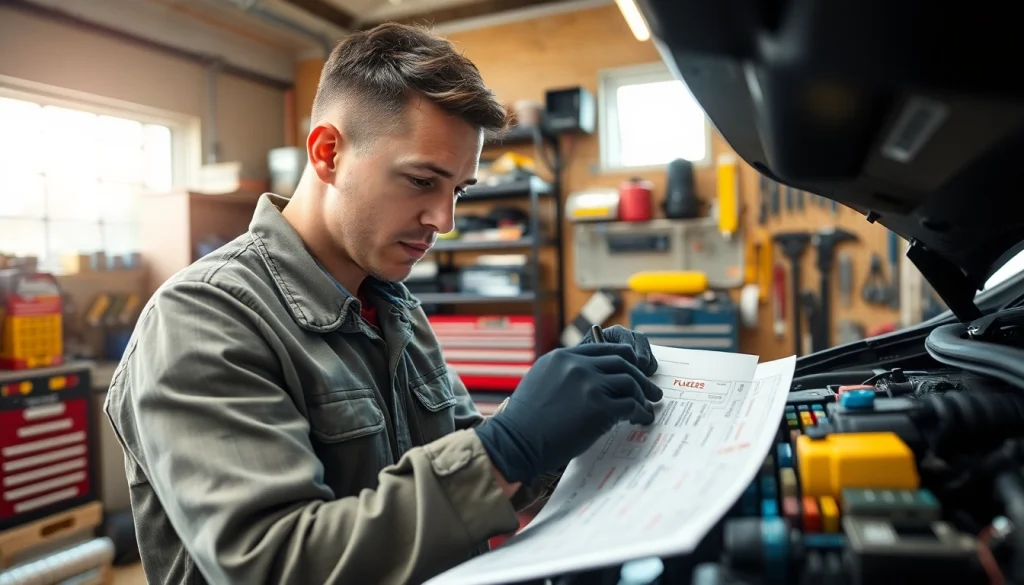
Introduction to Automotive Fuses
Automotive fuses are crucial components in any vehicle’s electrical system, playing an essential role in ensuring the safety and functionality of various electrical systems. With the increasing complexity of modern vehicles, fuses have taken on a vital position, protecting circuits from overloads and short circuits. This article will provide a comprehensive guide to understanding automotive fuses, including what they are, their importance, various types, and how to maintain and troubleshoot them effectively. For further in-depth information, you can explore https://bezpieczniki24.pl which offers detailed resources on automotive fuses.
What Are Automotive Fuses?
Automotive fuses are small electrical devices that protect electrical circuits from damage caused by excessive current flow. They act as a safety mechanism by disconnecting the electrical supply when the current exceeds a predetermined level. Typically made from metal or other conductive materials, fuses are designed to melt when subjected to high temperatures caused by high currents, thereby breaking the circuit and preventing further damage.
The Importance of Fuses in Vehicle Safety
The primary purpose of automotive fuses is to ensure the safety of the vehicle’s electrical system. By breaking the circuit in the event of an overload, they help prevent electrical fires, component failures, and other safety risks. Moreover, fuses protect critical systems such as lighting, ignition, and engine management, which are essential for the safe operation of the vehicle. Thus, understanding and maintaining fuses is integral to vehicle ownership and safety.
Overview of Fuse Types and Their Functions
Automotive fuses come in various types, each serving distinct functions based on the vehicle’s electrical architecture. The most common types of automotive fuses include:
- Blade Fuses: These are the most widely used fuses, available in multiple amperage ratings, making them suitable for various applications.
- Glass Tube Fuses: Common in older vehicles, they consist of a glass tube housing the metal filament that melts when a specific current threshold is exceeded.
- Mini and Low-Profile Fuses: Designed for use in compact areas, they provide the same protection in a smaller footprint.
- Resettable Fuses: Also known as Polyfuses, these are designed to reset automatically after a fault condition is resolved.
Common Issues Associated with Automotive Fuses
While automotive fuses are generally reliable, they can encounter issues that affect their performance. Understanding these common problems can help vehicle owners maintain safe and effective electrical systems.
Signs of a Blown Fuse
Identifying a blown fuse can often be as simple as observing the symptoms it causes. Some common signs include:
- Non-functional Electrical Components: If a specific electrical feature, such as headlights, taillights, or radio, stops working, it may be a blown fuse.
- That Distinct Smell: A burning smell can indicate an electrical issue, and if you detect it near a fuse box, it’s a sign that a fuse might be blown.
- Visual Inspection: Blown fuses often exhibit a broken metal strip or a darkened glass tube.
Common Causes of Fuse Failure
Fuse failure can result from several factors, including:
- Electrical Overload: This occurs when too many electrical devices draw current from a single circuit, exceeding the fuse’s rated capacity.
- Short Circuits: A short circuit can create a direct pathway for electricity, causing instantaneous overload and blowing the fuse.
- Component Failures: Malfunctioning electrical components can draw excessive current and lead to fuse failure.
Troubleshooting Fuse-Related Problems
To effectively troubleshoot fuse-related issues, follow these steps:
- Identify which electrical component has failed.
- Inspect the fuse associated with the affected component.
- If the fuse is blown, replace it and observe if the problem persists.
- If the new fuse blows immediately, further investigation into the electrical system is needed to identify underlying issues.
How to Check and Replace Automotive Fuses
Checking and replacing automotive fuses is a straightforward process that any vehicle owner can master.
Tools Needed for Fuse Replacement
Before beginning fuse replacement, gather these essential tools:
- Fuse puller or needle-nose pliers
- Multimeter (optional for troubleshooting)
- Replacement fuses of the appropriate amperage
Step-by-Step Guide to Checking Fuses
- Locate the fuse box, usually found under the dash or in the engine compartment.
- Remove the fuse cover to access the fuses.
- Identify the fuse you need to check based on the fuse diagram provided on the cover.
- Remove the fuse using a fuse puller or pliers and inspect it for any signs of damage.
- If damaged, replace it with a new fuse of the same amperage rating.
Tips for Safe and Effective Fuse Replacement
Keep the following tips in mind when replacing fuses:
- Always replace fuses with ones that match the amperage rating specified in the vehicle’s manual.
- Ensure the vehicle is off before replacing any fuses to avoid electric shock or further damage.
- Consider wearing gloves to avoid any sharp edges when handling fuses and the fuse box.
Understanding Fuse Ratings and Specifications
Understanding fuse ratings is crucial for selecting the correct fuses for your vehicle’s needs.
What Do Fuse Ratings Mean?
Fuse ratings are designated in amperes (amps) and indicate the maximum amount of current the fuse can safely carry. Exceeding this capacity leads to the fuse blowing. For example, a 10-amp fuse will blow if the current exceeds 10 amps, safeguarding the circuit downstream.
How to Choose the Right Fuse for Your Vehicle
When selecting a fuse, consider the following:
- Consult the vehicle’s manual for specific fuse ratings and specifications.
- Ensure the replacement fuse matches the type and size of the original fuse.
- Consider the application; high-demand electrical components may require fuses with higher ratings.
Interpreting Fuse Diagrams and Schematics
Fuse diagrams provide a visual representation of the fuse box layout and the circuits they protect. Understanding these diagrams helps in identifying and replacing blown fuses efficiently. Most diagrams are located on the inside of the fuse box cover or in the vehicle manual. Familiarizing yourself with these schematics can save time and prevent mistakes.
Maintaining Your Vehicle’s Electrical System
Regular maintenance of your vehicle’s electrical system can prevent many issues associated with fuses and circuits.
Preventative Measures for Fuse Longevity
To ensure the longevity and reliability of your vehicle’s fuses:
- Perform regular inspections of electrical systems and connections.
- Avoid overloading circuits with too many devices.
- Upgrade wiring and components if you frequently experience blown fuses.
Regular Inspection Checklist for Automotive Fuses
A systematic inspection checklist for automotive fuses could include:
- Check all fuses for integrity and damage.
- Inspect wiring and connectors for corrosion or wear.
- Test electrical components for proper operation.
When to Consult a Professional Electrician
While many fuse-related issues can be addressed by vehicle owners, some situations warrant professional intervention. If you experience:
- Continuous blowing of fuses despite replacements.
- Unusual smells or smoke from the fuse box.
- Unexplained electrical problems affecting multiple systems.
In such cases, consulting a qualified automotive electrician is advisable for safety and accurate diagnostics.
Conclusion
Automotive fuses play a critical role in the safety and reliability of vehicle electrical systems. Understanding their function, common issues, and maintenance strategies is essential for ensuring your vehicle operates smoothly. By incorporating regular inspections and timely replacements, vehicle owners can safeguard their electrical systems against potential failures. For more extensive resources on automotive fuses, be sure to visit https://bezpieczniki24.pl.