
 admin
admin 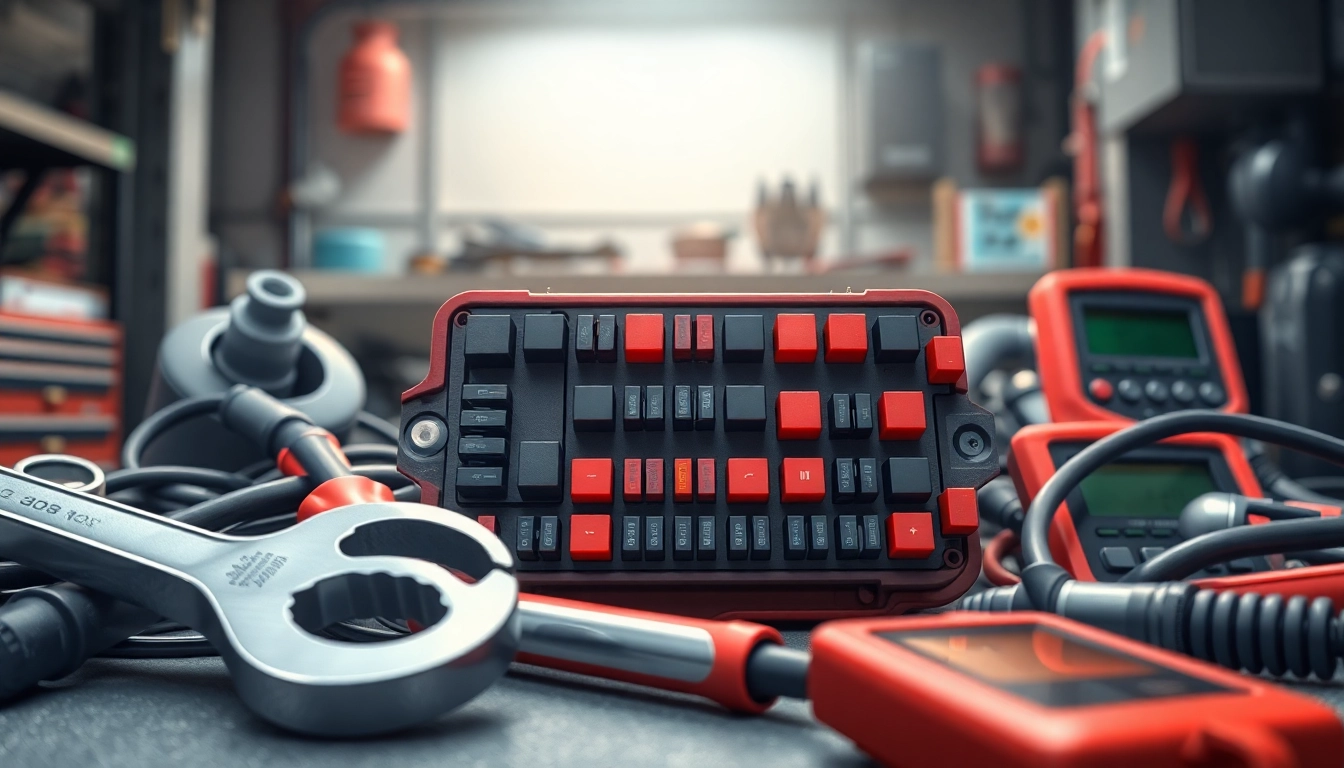
Overview of Car Fuses and Their Importance
Car fuses are vital components of a vehicle’s electrical system, serving to protect the wiring and various electrical components from overloads and shorts. Understanding how fuses work and their significance can help car owners maintain their vehicles in optimal condition. This article explores the importance of fuses, types of fuses, common issues, and maintenance tips to ensure your vehicle’s electrical system functions properly. For comprehensive insights on vehicle fuse schematics and more, visit https://bezpieczniki24.pl.
What Are Car Fuses?
A fuse is a small device that interrupts the electrical flow when it detects an overload or fault. By breaking the circuit, it helps prevent damage to the vehicle’s electrical components, such as the radio, lights, and ignition system. Most fuses operate by melting a metal wire inside the fuse housing, which stops the current as soon as the current exceeds a specified safe limit.
Common Types of Car Fuses
There are primarily two types of car fuses: blade fuses and glass fuses. Blade fuses are the most common in modern vehicles and are typically plastic with two metal prongs. Glass fuses were more prevalent in older vehicles; they are cylindrical and have a thin metal filament. Understanding these types can help in selecting and replacing the appropriate fuse for your vehicle.
Fuses vs. Circuit Breakers
While both fuses and circuit breakers serve the same purpose of protecting electrical circuits, they differ in functionality. Fuses need to be replaced once they blow, while circuit breakers can be reset. Circuit breakers, therefore, offer a more reusable option for protection but may have a higher initial cost compared to fuses.
Recognizing Fuse Problems
Signs of a Blown Fuse
A blown fuse often presents itself through symptoms such as malfunctions in specific electrical components, like the headlights or radio. Additionally, if multiple electrical systems cease to operate simultaneously, it may indicate a blown fuse.
Diagnosing Fuse Issues
Diagnosing fuse issues requires a systematic approach. Start by identifying the malfunctioning electrical components. Next, locate the fuse box and inspect the relevant fuses. If a fuse appears discolored or has a broken filament, it is likely blown and needs replacement. Utilizing a multimeter can further aid in testing fuses for continuity.
Tools for Fuse Inspection
Essential tools for fuse inspection include a fuse puller, multimeter, and screwdrivers. A fuse puller simplifies the removal process, while a multimeter can confirm whether a fuse is functioning properly. Keeping these tools handy ensures you can efficiently diagnose and replace faulty fuses.
How to Replace a Fuse
Step-by-Step Replacement Guide
Replacing a fuse is a straightforward process. First, ensure the vehicle is off to prevent any electrical shocks. Then, locate the fuse box, which is usually found under the dashboard or in the engine compartment. Use a fuse puller or your fingers to remove the suspect fuse. Check the rating of the blown fuse against the new one. Lastly, insert the new fuse into the correct slot, ensuring it fits snugly.
Safety Precautions During Replacement
Safety is paramount when working with electrical components. Always turn off the engine before inspecting fuses, and avoid handling fuses with wet hands. Wearing insulated gloves is advisable to protect against electrical shock, even in low-voltage applications.
Common Mistakes to Avoid
One common mistake is replacing a blown fuse with one of a higher rating, thinking it will solve the issue. This can lead to further electrical damage or even a fire hazard. Always replace fuses with the same amperage rating as specified in the vehicle’s manual.
Understanding Fuse Ratings and Specifications
How to Read Fuse Ratings
Fuse ratings indicate the maximum amount of current that the fuse can handle without blowing. These ratings are typically printed on the fuse itself and come in both amperage and voltage ratings. Understanding these specifications is crucial for safe and effective vehicle maintenance.
Choosing the Right Fuse for Your Vehicle
Choosing the right fuse involves referencing the vehicle’s manual for specifications from the manufacturer. The manual will provide details on the correct amperage for each circuit. Using the wrong fuse can lead to electrical failures or damage due to excessive current.
Impact of Wrong Fuse Ratings
Using a fuse with a higher amperage rating than required may not blow during an overload, leading to potential damage to the electrical system or even fire. Conversely, a fuse rated too low may blow frequently, causing unwanted interruptions and frustration.
Maintaining Your Vehicle’s Electrical System
Regular Fuse Checks
Regular checks of your vehicle’s fuses can prevent electrical problems and ensure optimal functionality. Incorporating a simple inspection during routine maintenance can save time and costs associated with unforeseen electrical failures.
Preventive Measures Against Fuse Issues
To minimize fuse-related issues, avoid overloading electrical circuits by using appropriate wattage bulbs and components. Additionally, ensure any repairs or alterations to the electrical system are conducted by professionals to maintain integrity.
When to Consult a Professional Mechanic
If you consistently experience blown fuses or electrical component failures, it may indicate deeper issues in the electrical system. Consulting a professional mechanic can provide insights into underlying problems and necessary repairs to maintain your vehicle’s health.