Understanding Bed Bugs: Identification and Impact
What are Bed Bugs?
Bed bugs are small, wingless insects that feed on the blood of humans and other warm-blooded hosts. Typically, adults measure between 4 to 5 mm in length and can be recognized by their reddish-brown color, flat oval shape, and distinct, segmented bodies that appear plump after feeding. These nocturnal pests are primarily active at night, seeking warmth from their hosts as they sleep, and are notorious for their ability to hide in small crevices and dark corners of homes, making them difficult to detect and eliminate.
Signs of a Bed Bug Infestation
Detecting a bed bug infestation early can be crucial in controlling their spread. Common signs include:
- Small, reddish-brown spots on bedding or upholstery, which are often dried blood or fecal matter.
- Visible bed bugs themselves, especially in the seams of mattresses or box springs, or in cracks and crevices near the bed.
- Bed bug bites, which are usually small, red, and itchy welts that can appear in linear clusters on the skin.
- An unusual musty odor emanating from the infested area, caused by secretions from the bed bugs.
Health Risks Associated with Bed Bugs
While bed bugs are not known to transmit diseases, their bites can lead to a range of health issues. Common complications include:
- Allergic reactions to bites, resulting in intense itching and inflammation.
- Secondary infections caused by scratching at bites, which can introduce bacteria into the skin.
- Psychological effects, such as anxiety and insomnia, due to the stress of dealing with an infestation.
Comprehensive Bed Bug Treatment Options
Chemical Spray Treatments Overview
Chemical spray treatments are a common method for eradicating bed bugs. These insecticides are designed to kill bed bugs on contact and often contain ingredients like pyrethroids, which are synthetic chemicals modeled after natural pesticides. Effective chemical treatments not only eliminate visible pests but also target their eggs to prevent future infestations. However, it’s essential to follow application guidelines closely to minimize exposure to humans and pets.
Heat Treatments Explained
Heat treatments involve raising the temperature in the infested area to levels that are lethal to bed bugs, typically above 120°F (49°C). This method can be highly effective because it penetrates all areas of the home, including walls, furniture, and belongings, ensuring that even eggs are eradicated. Heat treatments generally require specialized equipment and expertise, making them a more costly but often quick and comprehensive solution for severe infestations.
Combination Treatments for Maximum Effectiveness
Utilizing a combination of chemical and heat treatments often yields better results than relying solely on one method. This approach can maximize the effectiveness of pest control efforts, as it tackles bed bugs from multiple angles. For instance, heat can be used first to kill the majority of visible insects, followed by chemical sprays to eliminate any remaining pests and their eggs. This integrated pest management strategy is vital for achieving long-term control and minimizing the risk of recurrence.
Preparing for Bed Bug Extermination
Bed Bug Preparation Checklist
Before treatment, homeowners must prepare their space to enhance the effectiveness of extermination efforts. This includes:
- Decluttering rooms, especially areas near sleeping spaces, to provide easier access for treatment.
- Washing all bedding, linens, and clothing at high temperatures (at least 120°F) to help kill bed bugs and their eggs.
- Vacuuming floors and furniture thoroughly to remove any visible pests and debris.
- Securing items in sealable plastic bags to prevent spreading bed bugs during the treatment process.
Common Mistakes to Avoid
Several mistakes can undermine bed bug treatment efforts, including:
- Ignoring signs of ongoing infestation due to the misconception that bed bugs are gone after initial treatment.
- Utilizing unapproved or homemade pesticides that may be ineffective or harmful.
- Failing to follow post-treatment protocols, such as continued monitoring for signs of re-infestation.
What to Do Post-Treatment
After treatment, it’s crucial to take steps to prevent reinfestation. This includes:
- Regularly inspecting living areas for signs of bed bugs to catch any issues early.
- Continuing to use protective mattress and pillow encasements to minimize risk.
- Taking caution when bringing new items into the home, especially second-hand furniture or clothing.
Frequently Asked Questions About Bed Bugs
How to Prevent a Bed Bug Infestation?
Preventing a bed bug infestation requires ongoing vigilance and proactive measures, such as:
- Regularly inspecting sleeping areas and common hotspots for signs of bed bugs.
- Being cautious when traveling; inspect hotel rooms and keep luggage elevated and closed.
- Educating household members about bed bug identification and prevention strategies.
What Should I Expect During Treatment?
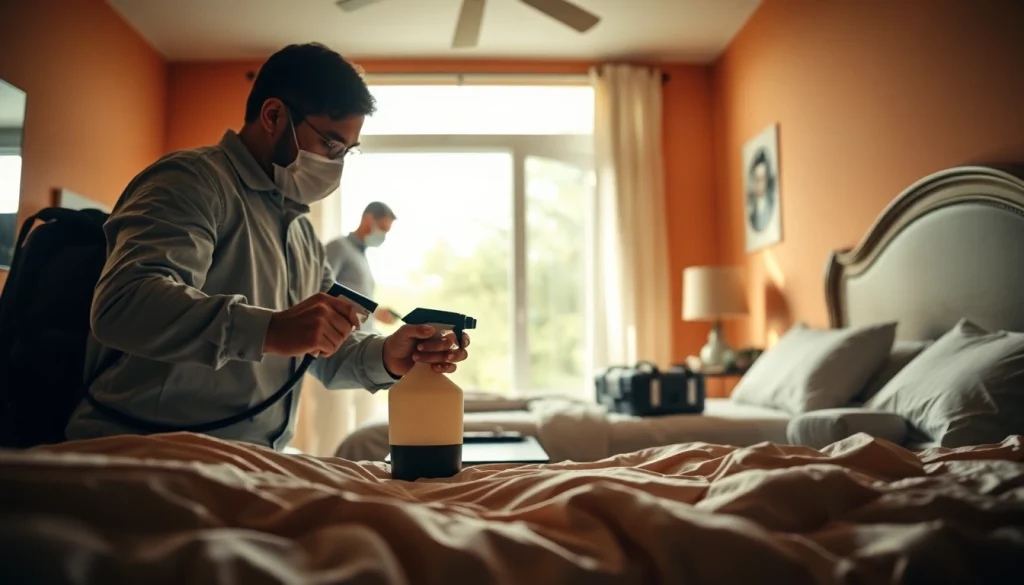
During a professional bed bug treatment, you can expect technicians to arrive with specific tools and equipment. They will inspect the premises, apply appropriate treatments, and provide you with information on post-treatment care. Typically, treatments may require more than one visit to ensure complete eradication of pests.
What are the Costs Involved in Bed Bug Extermination?
The cost of bed bug extermination varies widely based on factors such as the extent of the infestation, the treatment method chosen, and the size of the property. On average, homeowners can expect to spend anywhere from a few hundred to over a thousand dollars. It’s essential to obtain quotes from multiple sources to find a solution that fits within your budget.
Expert Advice on Handling Bed Bug Issues
When to Call the Professionals
If you suspect an infestation or have confirmed one through visual inspection or bites, it is advisable to contact pest control professionals. Early intervention can prevent the infestation from spreading and result in more effective treatments.
DIY vs. Professional Extermination
While some homeowners may opt to tackle bed bug issues on their own using extensive research and DIY methods, the effectiveness can vary widely. Professional exterminators have access to more potent products and advanced techniques, which can be crucial in severe infestations. It’s best to assess the extent of the problem before making a decision.
Long-Term Prevention Strategies
To ensure long-term protection against bed bugs, consider these strategies:
- Install bed bug-proof encasements on mattresses and box springs.
- Maintain cleanliness by vacuuming frequently and addressing clutter.
- Regularly inspect and maintain furniture and upholstery around your home.
For more information and resources on bed bug treatments and prevention, you can visit https://affordablebedbugexterminators.com.