 admin
admin 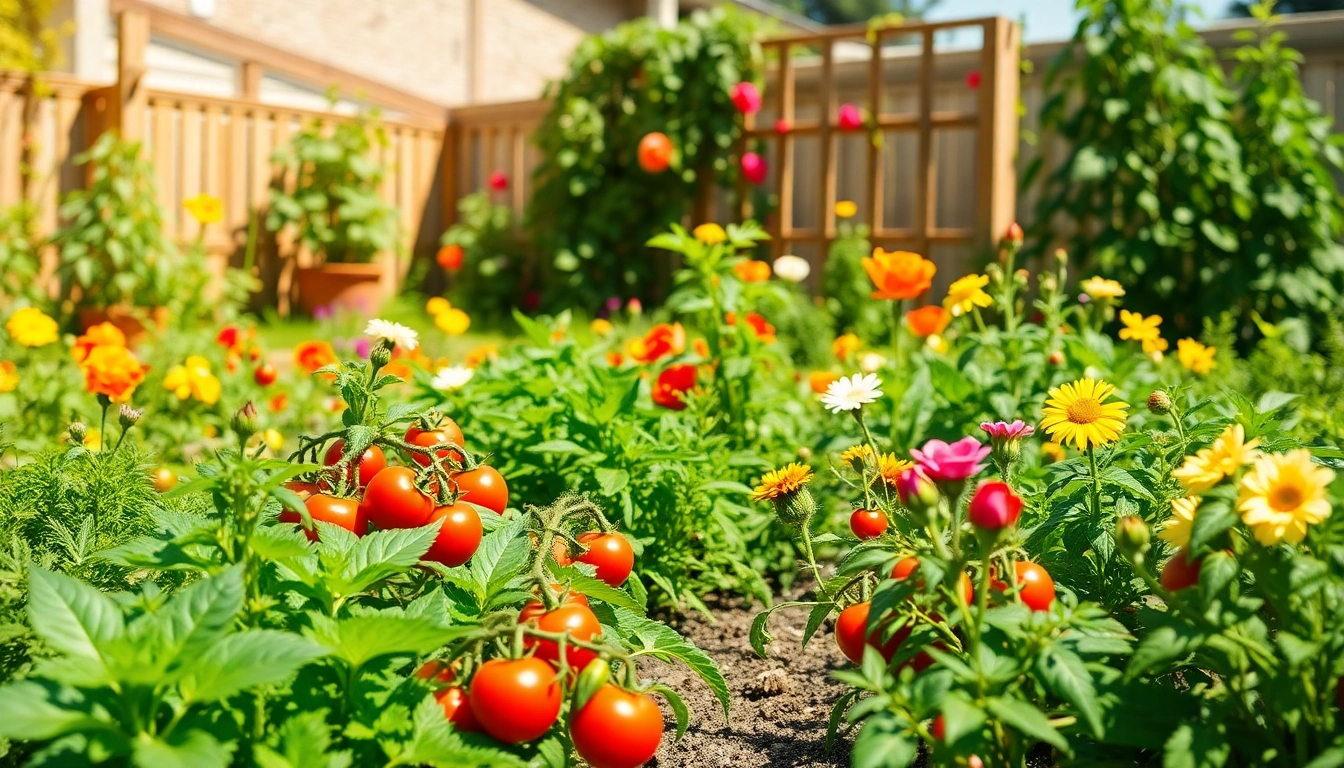
Understanding the Basics of Gardening
What is Gardening?
Gardening is the art and science of growing plants for food, ornamentation, or aesthetic purposes. This includes a wide array of activities, from planting seeds and nurturing them to harvesting the produce. It’s not just about maintaining a yard; it’s about creating an environment that supports a variety of life forms, enhancing biodiversity and improving the overall ecosystem. For many, Gardening serves as an outlet for creativity as well, allowing individuals to combine their design sensibilities with an appreciation for nature.
Benefits of Gardening
Engaging in gardening offers numerous benefits that span across physical, mental, and environmental aspects. Physically, spending time in the garden can enhance fitness, as gardening activities involve walking, digging, lifting, and stretching. It can significantly improve muscle strength, stamina, and flexibility.
Mental health also thrives in the garden environment. Studies suggest that spending time outdoors can reduce stress, boost mood, and decrease feelings of anxiety and depression. Gardening can be a form of meditation, allowing individuals to focus their energies away from daily stresses.
Gardening also promotes environmental health. It encourages local biodiversity, contributes to the reduction of urban heat, and can combat climate change by sequestering carbon. Furthermore, it fosters a sense of community through shared knowledge and resources among amateur and professional gardeners alike.
Essential Tools for Effective Gardening
To cultivate a thriving garden, several essential tools can help streamline tasks and enhance productivity. Here are some fundamental gardening tools needed:
- Hand trowel: For digging, planting, and transferring soil.
- Pruning shears: To trim and shape plants effectively, promoting healthier growth.
- Rake: To level soil and remove debris.
- Watering can or hose: For effective watering, adaptable based on the size of the garden.
- Garden fork: To aerate soil and turn compost, improving soil structure.
Investing in quality tools not only ensures longevity but also can enhance the gardening experience, making it more enjoyable and efficient.
Choosing the Right Plants for Your Garden
Factors to Consider When Selecting Plants
Choosing the right plants for your garden is pivotal to success. Several key factors should be considered:
- Climate: Understand your gardening zone and select plants that will thrive in the local climate conditions.
- Soil Type: Some plants prefer sandy soil, while others thrive in clay or loam. Conducting a soil test can guide your choices.
- Sunlight: Assess the amount of sunlight that different areas of your garden receive throughout the day. Some plants require full sun, while others do better in partial shade.
- Space: Consider the spacing required for plants to grow without overcrowding, which can lead to disease and pest issues.
- Purpose: Determine whether you want to grow flowers, vegetables, or a mix of both to align your plant choices with your gardening goals.
Best Plants for Beginners
For novice gardeners, starting with easy-to-grow plants is advisable. Here are some excellent options:
- Tomatoes: These are versatile, space-efficient, and rewarding when harvested.
- Radishes: Fast-growing plants that provide quick results.
- Zinnias: Colorful annual flowers that thrive with minimal care.
- Herbs: Such as basil and cilantro, which can be easily grown in small spaces and can enhance culinary dishes.
Seasonal Planting Guide
Understanding when to plant is crucial for a successful garden. Here’s a brief seasonal planting guide:
- Spring: Ideal for planting most vegetables and flowers. Start seeds indoors for tomatoes and peppers.
- Summer: Perfect for planting quick-growing crops such as beans and cucumbers.
- Fall: A great time for planting perennials and preparing your garden for winter.
- Winter: Focus on planning and preparing for the upcoming gardening season.
Soil Preparation and Maintenance
Understanding Soil Types and Their Importance
Soil is the foundation of any garden, and understanding the different types is essential for effective cultivation. Primarily, soil falls into three categories: sandy, clay, and loamy. Each type has its unique properties:
- Sandy soil: Drains quickly but does not retain moisture well, requiring more frequent watering.
- Clay soil: Retains moisture but can become compacted, making it challenging for plant roots to grow.
- Loamy soil: A balanced mixture of sand, clay, and silt, ideal for most plants due to its nutrient-rich environment.
Understanding your soil type allows for better planning and amendments as required.
Organic vs. Synthetic Fertilizers
Choosing between organic and synthetic fertilizers depends on your gardening philosophy and goals:
- Organic fertilizers: Derived from natural sources, they improve soil health and structure in the long term without risking harm to beneficial organisms.
- Synthetic fertilizers: Offer quick-release nutrients and immediate results but can lead to long-term soil degradation if overused.
Testing your soil can guide whether you need to supplement with fertilizers and which type may best suit your garden’s needs.
Techniques for Soil Enhancement
Enhancing soil quality can significantly impact your gardening success. Here are several techniques to consider:
- Composting: Creating compost from kitchen scraps and garden waste improves soil nutrient content.
- Cover cropping: Planting cover crops helps prevent erosion and adds nitrogen back to the soil.
- Mulching: Applying organic mulch can retain moisture, suppress weeds, and slowly break down to enrich the soil.
Watering Techniques and Requirements
Understanding Watering Needs of Different Plants
Water is a crucial component for plant growth, and different plants have varying water needs. Understanding these needs can prevent overwatering or underwatering:
- Deep root systems: Plants like tomatoes require deep, infrequent watering to encourage strong root growth.
- Surface root systems: Herbaceous plants may need more frequent but shallower watering.
- Drought-resistant plants: These require less water and can typically thrive in lower moisture conditions.
Efficient Watering Methods
Effective watering techniques can maximize efficiency and plant health. Consider these methods:
- Drip irrigation: Efficiently delivers water directly to the plant base, minimizing evaporation.
- Soaker hoses: A simple solution that allows water to percolate through the hose, ideal for garden beds.
- Watering cans: For smaller spaces or container gardens, allowing for more control over how much water is applied.
Signs of Overwatering or Underwatering
Recognizing signs of overwatering or underwatering is vital for plant health:
- Overwatering: Symptoms include yellowing leaves, root rot, and wilting despite wet soil.
- Underwatering: Droopy leaves, dry soil, and stunted growth indicate the need for more moisture.
Monitoring your plants and the surrounding soil conditions helps maintain the right watering balance.
Managing Pests and Diseases in the Garden
Common Garden Pests and How to Identify Them
Pests can pose significant threats to the health of your garden. Familiarizing yourself with common pests can aid in early diagnosis:
- Aphids: Small, soft-bodied insects that usually cluster around new growth.
- Spider mites: Tiny arachnids often found on the undersides of leaves, causing stippling.
- Slugs and snails: Soft-bodied gastropods that leave a slime trail and consume foliage.
- Beetles: Varying in size, many feed on plant leaves and can damage crops.
Organic Pest Control Methods
Implementing organic pest control methods minimizes harm to beneficial organisms and the environment:
- Neem oil: An organic pesticide derived from the seeds of the neem tree, effective against various pests.
- Insecticidal soap: A solution that suffocates soft-bodied insects without harming plants.
- Companion planting: Planting certain plants together can help deter pests naturally; for example, marigolds can repel nematodes and aphids.
Preventative Measures for a Healthy Garden
Preventing pest infestations is often easier than controlling them once they occur. Here are several strategies to maintain a healthy garden:
- Crop rotation: Changing the types of crops grown in a particular area each year can break pest and disease cycles.
- Proper spacing: Allowing adequate space between plants promotes airflow, reducing pest attractiveness.
- Regular monitoring: Inspecting your plants regularly aids in early detection of any issues.