 admin
admin 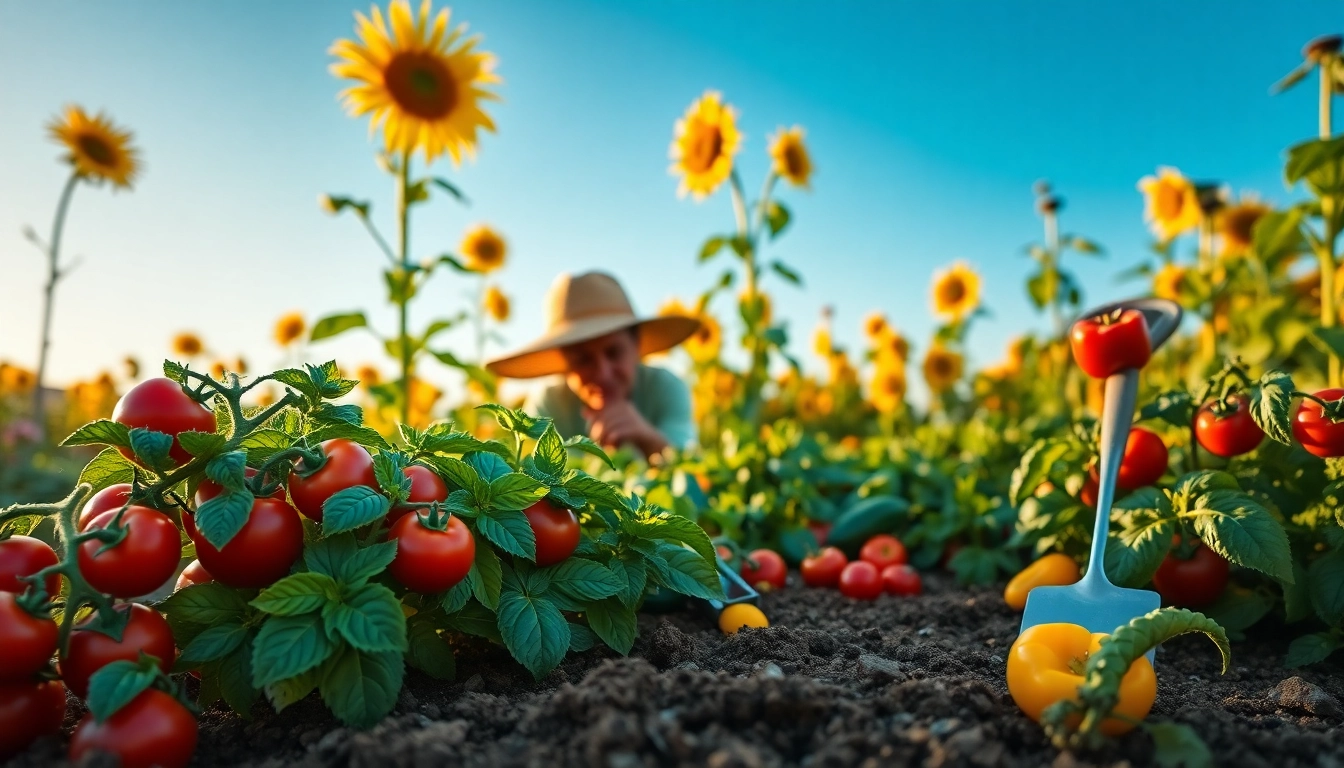
Understanding Gardening Basics
Gardening is an enriching and therapeutic pursuit that allows individuals to connect with nature while enhancing their living environment. This article delves into essential aspects of Gardening, providing practical guidance and insights that cater to both beginners and experienced gardeners. Whether you’re cultivating vegetables, flowers, or ornamental plants, understanding the fundamentals is crucial to fostering a flourishing garden.
What is Gardening?
Gardening involves the cultivation of plants, flowers, and vegetables within a designated space. It’s an art form that combines creativity with scientific knowledge, requiring an understanding of botany, ecology, and soil health. The primary objective is to create a thriving plant ecosystem that is both aesthetically pleasing and productive.
At its core, gardening can be categorized into different types, including:
- Vegetable Gardening: Focused on growing edible plants that provide fresh produce.
- Flower Gardening: Involves the cultivation of flowering plants for decorative purposes.
- Herb Gardening: Centers on growing various herbs for culinary and medicinal uses.
- Ornamental Gardening: Encompasses the use of plants primarily for their aesthetic appeal.
Essential Tools for Gardening
Investing in the right tools is paramount to effective gardening. Here is a list of essential tools every gardener should consider:
- Hand Tools: Trowels, pruners, and weeders help carry out various tasks efficiently.
- Garden Fork: Useful for turning soil, mixing in compost, and breaking up hard ground.
- Hoe: Ideal for shaping soil, removing weeds, and creating planting rows.
- Watering Can and Hose: Essential for providing adequate water to plants.
- Gloves: Protect hands from thorns and soil while working.
Furthermore, larger tools like shovels, rakes, and wheelbarrows can be valuable for more extensive gardening tasks.
Choosing the Right Plants for Your Space
Selecting appropriate plants is a fundamental step in achieving gardening success. Consider the following factors:
- Climate: Research the local climate and choose plants suited to the environmental conditions.
- Soil Type: Conduct a soil test to determine pH and nutrient levels, which will guide plant selection.
- Sunlight: Identify areas in your garden that receive full sun, partial shade, or full shade, influencing your plant choices.
- Space: Ensure that the selected plants will have adequate room to grow without overcrowding.
Soil Preparation and Enrichment
Soil health is the foundation of a successful garden. Proper preparation and enrichment can significantly impact plant growth and yield. Understanding how to manage your soil effectively is essential for any gardener.
Understanding Soil Composition and pH
Soil is composed of organic matter, minerals, air, and water. A healthy balance of these components is crucial. The pH level of the soil (a measure of acidity or alkalinity) influences nutrient availability to plants. Most garden plants prefer a pH between 6.0 and 7.5.
To check the pH, gardeners can use pH test kits from garden centers. Depending on the results, adjustments can be made using lime to raise pH or sulfur to lower it, ensuring optimal growing conditions.
Natural Methods for Soil Enrichment
Enriching soil naturally improves its structure, fertility, and microbe activity. Here are some effective methods:
- Composting: Decomposing organic waste (e.g., kitchen scraps and yard waste) transforms it into nutrient-rich compost that enhances soil structure.
- Mulching: Applying organic materials (such as straw, wood chips, or leaves) conserves moisture, suppresses weeds, and adds organic matter as it breaks down.
- Crop Rotation: Changing the types of crops grown in a particular area each season helps balance soil nutrients and disrupt pest cycles.
- Cover Crops: Planting cover crops like clover or vetch during off-seasons can boost soil nitrogen levels and prevent erosion.
Building Raised Beds for Better Gardening
Raised beds provide an effective solution for various gardening challenges. They offer improved drainage, soil control, and accessibility. Here’s how to construct a simple raised bed:
- Choose a suitable location with ample sunlight.
- Decide on the dimensions of your bed (common sizes are 4 feet wide by 8 feet long).
- Construct the frame using untreated wood, bricks, or stones.
- Fill the bed with a mix of compost and high-quality soil.
Raised beds also help reduce soil compaction and provide better conditions for root growth.
Planting Techniques for Optimal Growth
Once your garden is prepared, it’s time to plant your selected seeds or seedlings. The planting process requires attention to detail for maximum yield.
Correct Planting Strategies
Good planting strategies include:
- Sowing Depth: Each seed type has a preferred sowing depth. Refer to seed packets for guidance.
- Spacing: Ensure proper spacing based on the mature size of the plants to avoid overcrowding.
- Watering After Planting: Gently water newly planted seeds to settle the soil around them without washing them away.
Companion Planting: Benefits and Tips
Companion planting involves placing different plants in proximity for mutual benefits such as pest control, pollination, and nutrient enhancement. Some notable pairings include:
- Tomatoes and Basil: They enhance each other’s growth while repelling pests.
- Carrots and Onions: Planting them together can deter carrot flies and onion maggots.
- Beans and Corn: Beans fix nitrogen in the soil, benefiting corn, which requires more nitrogen.
Timing Your Planting for Seasonal Success
Understanding the best times to plant specific crops can significantly improve your gardening success. Here’s how timing impacts growth:
- Seasonal Planting: Certain crops are better suited for spring, summer, or fall. For instance, beans and tomatoes thrive in warmer months.
- Frost Dates: Knowing the last frost date in spring and the first frost date in fall helps prevent damage.
Watering and Maintenance Practices
Effective watering and maintenance are critical for sustaining plant health throughout all growth stages.
Efficient Watering Techniques
Watering techniques can influence how well plants thrive. Key practices include:
- Drip Irrigation: This method delivers water directly to the roots, reducing evaporation and water waste.
- Soaker Hoses: Ideal for deep root watering; they allow water to seep through the hose directly into the soil.
- Watering Schedule: Water deeply but less frequently to encourage strong, deep root systems.
Recognizing and Managing Pests
Pest management is crucial in maintaining a healthy garden. Here are strategies for dealing with common pests:
- Identify Pests: Obtain knowledge of common garden pests to facilitate early detection.
- Natural Predators: Attract beneficial insects like ladybugs and lacewings to control pest populations.
- Organic Pesticides: Use neem oil or insecticidal soaps as environmentally-friendly pest control options.
Seasonal Gardening Maintenance Tasks
Ensuring your garden remains healthy requires seasonal attention. Key maintenance activities include:
- Spring: Soil preparation, planting, and watering.
- Summer: Weeding, mulching, and pest management.
- Fall: Harvesting, pruning dead plants, and preparing soil for winter.
- Winter: Planning for next season and ensuring equipment is stored properly.
Harvesting and Enjoying Your Bounty
Once plants have grown, the final stages of gardening involve harvesting and preserving crops for enjoyment.
When and How to Harvest Your Crops
Harvesting at the right time is critical for optimal taste and nutrition. Here are tips for successful harvesting:
- Know Harvest Times: Each plant has a specific time frame for optimal harvest—check seed packets or local gardening resources.
- Use Proper Techniques: Use clean tools to cut or twist plants away from the stem without damaging them.
Preserving Your Gardening Produce
After harvesting, it’s essential to preserve excess produce. Methods include:
- Canning: Provides a long-term storage option for fruits and vegetables.
- Freezing: Excellent for retaining freshness and nutrients; blanch vegetables before freezing.
- Dehydrating: Removes moisture from produce, ideal for herbs and fruits.
Sharing Your Gardening Success with Others
Gardening often transcends personal enjoyment; it can foster community and connection. Here are ways to share your success:
- Community Gardens: Participate in or create a community garden to engage with others.
- Sharing Produce: Offer excess harvests to friends, family, and neighbors.
- Social Media: Document and share your gardening journey online to inspire others.
Conclusion
Gardening is not only about cultivating plants; it translates into nurturing a sense of tranquility, creativity, and community. By understanding and applying the essential concepts discussed in this article, you will be well-equipped to embark on your gardening journey, whether you are just starting or looking to refine your skills. Remember, the most successful gardens evolve over time, just like the gardeners who tend them.