
 admin
admin 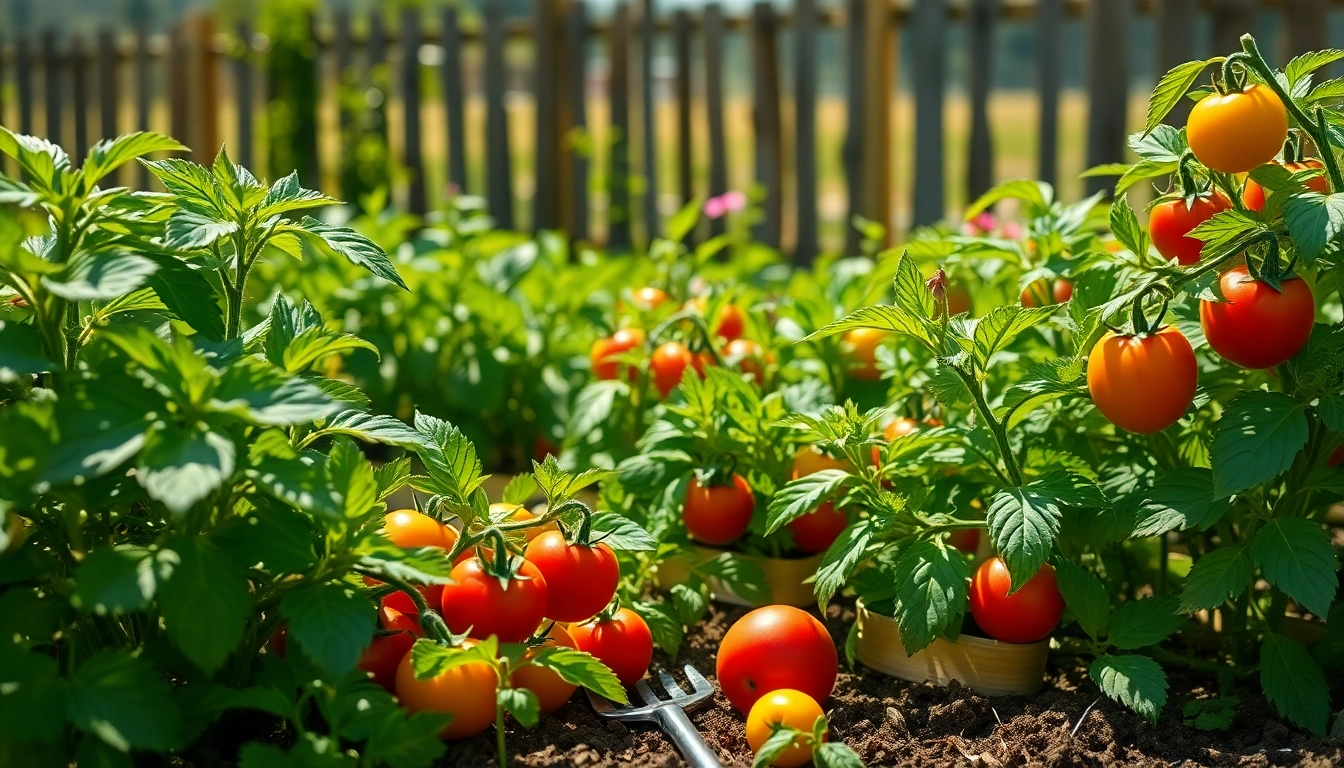
Understanding Gardening Basics
What is Gardening?
Gardening is the art and science of cultivating and nurturing plants within a designated space. This can range from small home gardens to expansive agricultural plots. The act of gardening involves not only planting but also the careful consideration of environmental factors such as soil quality, water availability, and the selection of suitable plant species. At its core, gardening is about creating a harmonious relationship between humans and nature, leading to flourishing ecosystems.
Benefits of Gardening for Well-being
Engaging in Gardening can significantly improve mental and physical well-being. Research shows that spending time in green spaces reduces stress, anxiety, and depression while enhancing mood and cognitive function. Furthermore, gardening is a form of physical exercise that promotes overall health, encourages healthy eating habits through growing one’s own vegetables, and fosters a sense of accomplishment and connection to the environment.
Common Gardening Myths Debunked
Despite its popularity, gardening is often surrounded by misconceptions. One prevalent myth is that gardening is exclusively for those with expansive yards or lots of time. In reality, even small balconies can accommodate container gardens. Another common myth suggests that flowers and vegetables must be planted in rows; however, many modern gardening techniques advocate for more diverse plant arrangements that enhance aesthetic and ecological outcomes. Understanding these myths can empower more people to engage in gardening.
Planning Your Dream Garden
Choosing the Right Location for Gardening
Selecting the optimal site for your garden is crucial for its success. Consider factors such as sunlight exposure, access to water, and protection from harsh winds. Most plants thrive in areas that receive at least six hours of direct sunlight daily. Additionally, ensure the location has good drainage to prevent waterlogging. When planning your garden, think about ease of access for maintenance and how the sun’s movement will affect plant growth throughout the seasons.
Selecting Optimal Plants for Your Climate
Understanding your local climate and hardiness zone is essential for selecting appropriate plants. Research native species, as they are naturally adapted to your region’s conditions and tend to require less maintenance. Furthermore, consider seasonal cycles and blooming periods, which can affect the aesthetic and productivity of your garden. Consulting local gardening resources or extension services can provide valuable insights into suitable plant options.
Garden Design: Layout and Aesthetics
The design of your garden should reflect both functionality and beauty. Start by creating a scaled layout on paper, incorporating paths, planting beds, and any structures such as trellises or raised beds. Consider using principles of design, such as balance, contrast, and harmony, to enhance visual appeal. Incorporating diversity through color, texture, and height can create interest and foster a more biodiverse ecosystem.
Essential Tools and Techniques for Gardening
Must-Have Gardening Tools for Beginners
Equipping yourself with the right tools can make gardening easier and more enjoyable. Essential tools include a hand trowel for digging, pruners for trimming, a rake for leveling soil, and a watering can or hose for irrigation. Investing in quality tools will not only improve efficiency but also enhance the overall gardening experience. As you gain confidence and expand your gardening operations, you can explore more specialized tools to suit specific tasks.
Soil Preparation and Fertilization Techniques
The foundation of any successful garden is healthy soil. Start by testing your soil’s pH and nutrient levels; this will help identify any deficiencies. Amend the soil with organic matter, such as compost or well-rotted manure, to improve its structure and nutrient content. Additionally, consider the type of plants you are cultivating; some may require specific fertilizers or soil amendments to thrive. Regular mulching can also retain moisture and suppress weeds, contributing to a healthier garden environment.
Watering Practices: Dos and Don’ts
Effective watering techniques are critical for plant health. It’s essential to water deeply and infrequently rather than giving plants shallow, frequent sips. Morning is typically the best time to water, as this allows foliage to dry out during the day, reducing the risk of fungal diseases. Pay attention to your plants’ needs based on the season; younger plants may require more frequent watering, especially during dry spells. Avoid overwatering, which can lead to root rot and other issues.
Nurturing Your Garden: Care and Maintenance
Pest Control Solutions in Gardening
Managing pests effectively is vital for maintaining a healthy garden. Start with preventive measures, such as promoting biodiversity through companion planting and introducing beneficial insects like ladybugs or lacewings that prey on pests. If infestations occur, consider using organic solutions or insecticidal soaps as an alternative to chemical pesticides. It’s essential to monitor your garden regularly to catch pest issues early before they escalate into larger problems.
Weed Management Strategies
Weeds can compete with your plants for nutrients, water, and light. To manage weeds effectively, consider methods such as mulching, which can suppress weed growth and retain soil moisture. Hand-pulling or using hoeing techniques can also be effective, particularly for young weeds. Implementing a crop rotation system can help reduce weed pressure, as varying the types of plants grown can disrupt the life cycles of weeds.
Seasonal Gardening Tasks to Keep in Mind
Maintaining your garden requires seasonal awareness and planning. In spring, focus on planting and soil preparation, while summer tasks may include regular watering and pest management. As autumn approaches, consider harvesting your crops and preparing the garden for winter. This may involve cutting back perennials, mulching to protect plants from frost, or even planning for the next growing season. Adapting your care routine to the seasonal rhythms can optimize your garden’s productivity and beauty.
Advanced Gardening Skills for Enthusiasts
Creating a Sustainable Garden Ecosystem
Building a sustainable garden involves working with nature to create a self-sustaining ecosystem. Incorporate native plants that require less maintenance and develop diverse plantings that boost resilience against pests and diseases. Utilizing organic gardening practices, such as composting and natural pest control, can enhance soil health and promote biodiversity. Water conservation techniques, like rainwater harvesting, can also contribute to sustainability while supporting plant development.
Vertical Gardening: Maximizing Space Efficiently
For those with limited space, vertical gardening presents an excellent solution. This technique involves growing plants upward rather than horizontally, utilizing trellises, wall planters, or even repurposed shelves. Vining vegetables like tomatoes and cucumbers are excellent candidates for vertical growth. Beyond just maximizing space, vertical gardens can also enhance air circulation and reduce the incidence of pests by minimizing ground contact among plants.
Harvesting and Storing Your Produce
Knowing when and how to harvest your crops is vital for enjoying the best flavors. For many vegetables, harvesting them at their peak maturity ensures maximum taste and nutritional value. Post-harvest, proper storage techniques can extend the life of your produce; for example, leafy greens often fare best in cool, humid environments, while root vegetables can be stored in a dry, dark space. Understanding the specific needs of each type of produce will help minimize waste and maximize enjoyment.