
 admin
admin 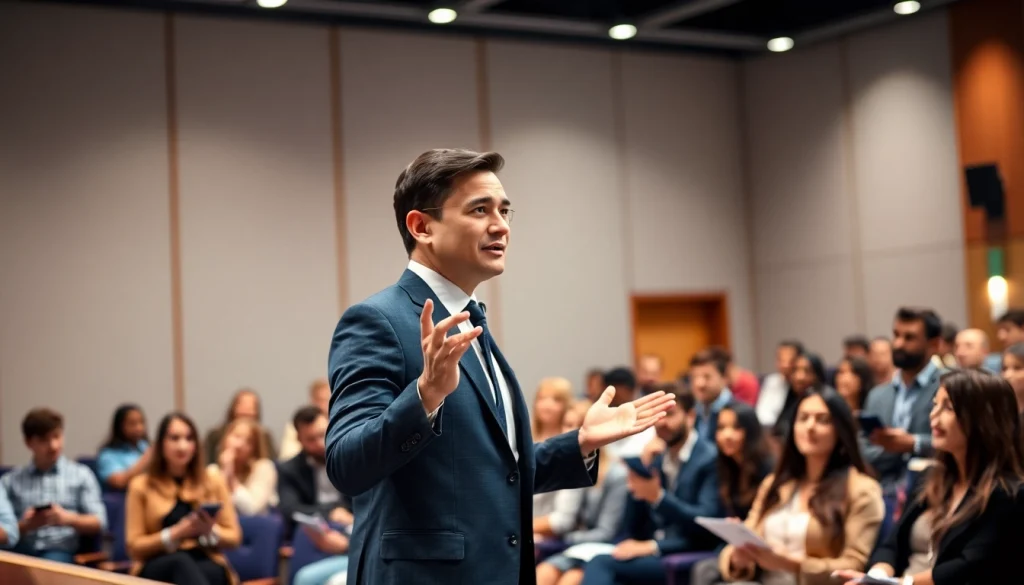
Understanding the Role of a Public Speaking Coach
In today’s fast-paced, competitive world, the ability to communicate effectively can set you apart in both personal and professional arenas. A Public Speaking Coach plays a vital role in helping individuals develop this essential skill. But what does this role entail? Let’s delve into the nuances of what a public speaking coach does, why you might want to consider hiring one, and the key skills that they can equip you with.
What Does a Public Speaking Coach Do?
A public speaking coach is a professional who provides guidance, feedback, and strategies to enhance your speaking abilities. This coaching goes beyond just teaching how to speak in front of an audience; it’s about crafting messages that resonate, building confidence, and managing anxiety. Coaches often tailor their instruction based on individual needs, helping speakers refine their delivery and improve their presentation techniques.
Why Hire a Public Speaking Coach?
Many individuals hold misconceptions about public speaking as simply a required skill in certain professions. However, nearly everyone can benefit from the insights of a public speaking coach. If you find yourself avoiding opportunities that require public speaking or feel anxious about presentations, a coach can aid significantly in overcoming these barriers. By hiring a public speaking coach, you gain access to personalized feedback, targeted skill development, and an encouraging environment to practice and develop your speaking abilities.
Key Skills a Public Speaking Coach Can Teach
Through effective coaching, you can expect to learn a variety of skills that are essential for successful public speaking:
- Voice Modulation: Understanding pitch, tone, and volume.
- Body Language: Developing non-verbal communication skills that enhance delivery.
- Storytelling: Crafting engaging narratives that highlight your main points.
- Audience Engagement: Techniques for interacting with audiences for increased impact.
- Overcoming Anxiety: Methods for managing nerves in high-pressure situations.
Identifying Your Public Speaking Challenges
Before embarking on your journey with a public speaking coach, it’s crucial to identify what challenges you face. This reflection lays the groundwork for effective coaching.
Common Public Speaking Fears and How to Overcome Them
Many individuals experience anxiety around public speaking, commonly referred to as glossophobia. Common fears include the fear of judgment, forgetting material, or facing a hostile audience. Overcoming these fears often requires a systematic approach. Techniques like visualization, breathing exercises, and gradual exposure to speaking can significantly reduce anxiety levels.
Assessing Your Current Speaking Skills
To make the most out of your coaching experience, it’s helpful to conduct a self-assessment of your current skills. Examine previous presentations, request feedback from colleagues, or even record your practice sessions. A clear understanding of your strengths and weaknesses will enable both you and your public speaking coach to develop a focused improvement plan.
Setting Goals for Improvement with a Public Speaking Coach
Setting specific, measurable goals will provide direction throughout your coaching process. Goals can range from mastering specific speaking techniques to preparing for a particular event. Discuss these objectives openly with your coach, as they will tailor their approach to help you achieve them effectively.
Choosing the Right Public Speaking Coach for You
Finding the right coach is essential for your growth as a speaker. Not all coaches have the same style or methods, so it’s important to choose one that aligns with your personal learning preferences.
What to Look for in a Public Speaking Coach?
Look for experience, credentials, and a coaching style that resonates with you. A public speaking coach should have a track record of successful coaching experiences and preferably possess written testimonials or case studies from past clients. Consider whether you prefer a coach who is more hands-on or one who encourages independent practice.
Questions to Ask Potential Coaches
Having a conversation with potential coaches can provide you with valuable insights. Consider asking the following questions:
- What is your coaching approach?
- Can you provide references or success stories?
- How do you measure improvement?
Evaluating Coaching Sessions: What to Expect
Once you’ve chosen a public speaking coach, it’s useful to know what to expect during your sessions. Initial meetings typically involve a thorough assessment of your current skills and fears. Subsequent sessions will focus on practicing techniques, developing content, and performing rehearsals. Expect constructive feedback and ongoing encouragement to help guide you toward improvement.
Techniques and Strategies from a Public Speaking Coach
Once you embark on the coaching journey, specific techniques and strategies can enhance your public speaking abilities. These methods are tailored to maximize audience engagement and bolster your overall presentation skills.
Effective Body Language and Vocal Techniques
Body language is a critical aspect of communication, and a public speaking coach can help you harness its power effectively. This may include learning how to use gestures purposefully, maintaining eye contact, and employing stance and movement to enhance your narrative. Additionally, vocal techniques such as modulation, pacing, and emphasis play significant roles in maintaining audience interest and conveying your message effectively.
Structuring Your Presentation for Maximum Engagement
One integral skill taught by coaches is how to structure your presentation. A well-organized presentation typically has a clear introduction that outlines what to expect, an informative body that covers key points in a logical sequence, and a strong conclusion that reinforces the main message. Incorporating anecdotes, statistics, or visual aids can effectively engage your audience and make your message memorable.
Handling Q&A Sessions with Confidence
Often, the Q&A portion of a presentation can be intimidating. However, a public speaking coach can equip you with strategies to handle questions gracefully. This can include paraphrasing questions for clarity, maintaining composure under pressure, and effectively pivoting back to your core message. Learning to view questions as opportunities rather than challenges can shift your entire approach to this component of public speaking.
Measuring Your Progress with a Public Speaking Coach
As you progress in your public speaking journey, it’s crucial to have measurable criteria to evaluate improvements. This can help track your development and instill a greater sense of accomplishment as you witness your growth firsthand.
Setting Performance Metrics for Improvement
While working with your coach, collaboratively establish metrics to gauge improvement. These may include self-assessments, peer feedback, audience engagement levels, and performance outcomes (like securing a speaking role). Metrics should be concrete and time-bound to facilitate focused tracking.
Gathering Feedback from Your Public Speaking Coach
Your coach plays a pivotal role in your progression. Regularly ask for feedback on your performances and techniques. Constructive criticism will help identify areas that need work while encouraging you when you succeed. Ensure that feedback revolves around actionable steps so you have concrete methods to improve.
Continual Growth as a Public Speaker
Even after achieving your initial goals, continual growth is key to sustaining and enhancing your skills as a speaker. Engage in further training, attend workshops, and seek new speaking opportunities to maintain your momentum. Consider following up with your public speaking coach for refresher sessions to ensure your skills remain sharp.
Frequently Asked Questions
What is the benefit of hiring a Public Speaking Coach?
A Public Speaking Coach helps you develop confidence, structure your message, and enhance your delivery techniques.
How can I overcome my fear of public speaking?
Working with a Public Speaking Coach can provide strategies to manage anxiety, practice effectively, and build confidence in front of audiences.
What should I look for in a Public Speaking Coach?
Look for experience, teaching style, client testimonials, and their ability to provide personalized feedback suited to your needs.
How long will it take to improve my public speaking skills?
The timeline varies based on individual goals and commitment but generally, noticeable improvements can occur within a few sessions.
Can a Public Speaking Coach help with virtual presentations?
Yes! They can provide guidance on engaging online audiences, using tools effectively, and maintaining presence in a virtual setting.