 admin
admin 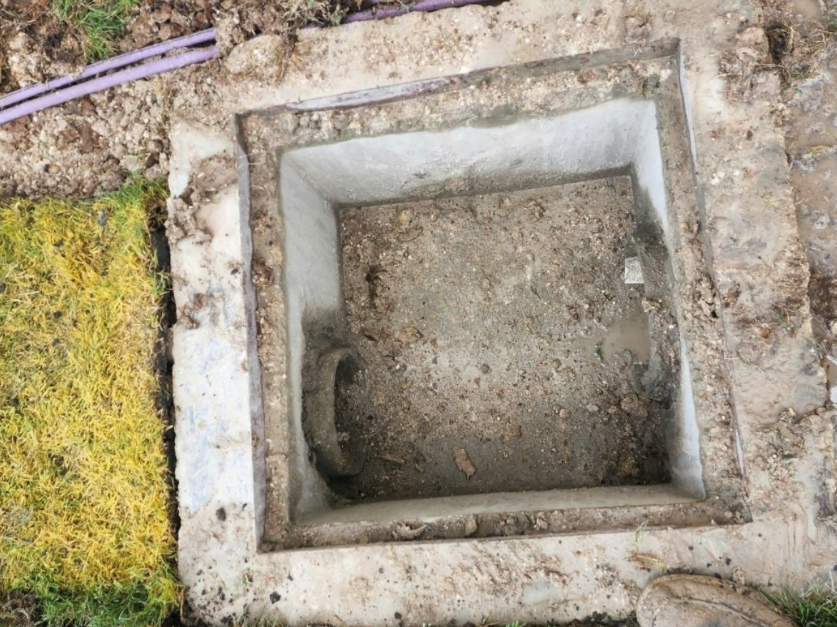
Commercial catch basins are an essential part of modern stormwater infrastructure, especially for properties that manage large paved surfaces and high volumes of runoff. As climate patterns continue to shift and urban development increases in 2026, businesses are facing more frequent and more intense rainfall events. Without properly designed drainage systems, this can quickly lead to flooding, property damage, and operational disruptions.
For commercial property owners, understanding how these systems function and how to maintain them has become a critical part of long-term facility management. Service providers such as PPX, LTD play an important role in helping businesses install, inspect, and maintain reliable drainage systems that protect infrastructure and reduce costly water-related issues.
This article breaks down everything you need to know about these systems, including their function, design considerations, applications, maintenance requirements, and best practices for long-term performance.
- What Are Commercial Catch Basins?
- Why These Systems Are Critical in 2026
- How Commercial Catch Basins Work
- Key Benefits of Commercial Catch Basins
- Common Applications in Commercial Properties
- Design Considerations for These Systems
- Maintenance Requirements for Long-Term Performance
- Warning Signs of Catch Basin Problems
- Best Practices for Improving Drainage Efficiency
- Environmental and Regulatory Considerations
- Conclusion
What Are Commercial Catch Basins?
These drainage systems are underground structures designed to collect, filter, and redirect stormwater runoff from paved or impermeable surfaces. They are commonly installed in parking lots, roadways, industrial sites, and commercial developments where water accumulation can become a serious problem.
A typical catch basin consists of:
- A surface inlet grate that allows water to enter
- A sediment chamber that traps debris and solids
- A discharge outlet that connects to storm sewer lines
As stormwater flows into the basin, heavier materials such as sand, gravel, leaves, and trash settle at the bottom. The filtered water then continues through the drainage system, reducing the risk of clogs and downstream flooding.
Why These Systems Are Critical in 2026
The importance of stormwater management has increased significantly in recent years. In 2026, these drainage solutions are no longer optional infrastructure. They are a necessity for compliance, safety, and operational efficiency.
Increased Rainfall Intensity
Many regions are experiencing heavier rainfall events over shorter periods. This increases surface runoff and places additional strain on drainage systems. Without properly sized systems, water can quickly overwhelm paved areas.
Urban Development and Impervious Surfaces
As cities expand, more land is covered with concrete, asphalt, and other impermeable materials. These surfaces prevent natural absorption of rainwater, increasing the total volume of runoff that must be managed.
Regulatory Pressure
Environmental agencies are enforcing stricter stormwater regulations to reduce pollution entering waterways. Businesses are now expected to implement systems that control runoff and reduce environmental impact.
How Commercial Catch Basins Work
Understanding the mechanics of a catch basin helps property owners appreciate why maintenance and design are so important.
Step 1: Water Entry
Stormwater enters through a metal or concrete grate located at ground level. These grates are designed to withstand vehicle loads while allowing water to pass through efficiently.
Step 2: Sediment Separation
Once inside the basin, water slows down. This reduction in velocity allows heavier debris such as sand, gravel, and organic matter to settle at the bottom of the structure.
Step 3: Filtration and Flow
After sediment settles, the cleaner water flows through an outlet pipe connected to the broader stormwater system. This prevents debris from entering and clogging downstream pipes.
Step 4: Discharge
The filtered water is eventually discharged into municipal storm drains, retention ponds, or natural waterways depending on the system design.
This simple yet highly effective process helps protect infrastructure and reduce flooding risks across commercial properties.
Key Benefits of Commercial Catch Basins
Properly designed systems provide a wide range of operational, financial, and environmental benefits.
Flood Prevention and Surface Water Control
One of the primary benefits is preventing water accumulation on paved surfaces. Standing water can disrupt business operations, create safety hazards, and damage infrastructure.
Protection of Underground Infrastructure
By capturing debris early, catch basins prevent blockages in underground pipes. This reduces the likelihood of expensive emergency repairs and system failures.
Improved Site Safety
Standing water can create slip hazards for pedestrians and hydroplaning risks for vehicles. Effective drainage improves overall site safety.
Environmental Protection
Catch basins help reduce pollutants entering waterways by capturing sediment and debris before they are carried into larger drainage systems.
Cost Savings Over Time
Although installation and maintenance require investment, properly functioning systems significantly reduce long-term repair and liability costs.
Common Applications in Commercial Properties
These systems are used in a wide variety of industries and property types. Each application has unique drainage requirements based on surface conditions and usage intensity.
Retail Centers and Shopping Complexes
Large parking lots generate significant runoff during storms. Catch basins help prevent flooding in customer parking areas and entrances.
Industrial Facilities and Warehouses
These environments often produce heavy sediment loads from trucks, equipment, and materials. Durable catch basins are required to handle this debris.
Roadways and Transportation Infrastructure
Municipal streets and highways rely on catch basins to manage stormwater and reduce hazardous surface water accumulation.
Fuel Stations and Automotive Sites
These areas require additional filtration considerations due to the presence of oils, fuels, and chemical residues.
Commercial Office Developments
Even office complexes benefit from properly designed drainage systems to maintain safe and accessible walkways and parking areas.
Design Considerations for These Systems
Proper design is one of the most important factors in ensuring long-term system performance.
Surface Area and Runoff Volume
Larger paved areas generate more runoff, requiring higher-capacity basins or multiple installations.
Slope and Drainage Direction
The slope of the surface affects how quickly water flows into the system. Poor grading can lead to pooling and uneven drainage.
Load-Bearing Requirements
Areas with vehicle traffic require reinforced grates and structural materials capable of supporting heavy loads.
Rainfall Data and Climate Conditions
Local rainfall intensity and storm frequency help determine appropriate system sizing.
Debris and Sediment Levels
Sites with high debris loads require deeper sediment chambers and more frequent maintenance schedules.
Failure to account for these factors can result in system overload, frequent blockages, and premature infrastructure failure.
Maintenance Requirements for Long-Term Performance
Even the most advanced systems require regular maintenance to function effectively. Over time, sediment buildup and debris accumulation can reduce system capacity.
Recommended Maintenance Schedule
- Light-use areas: inspection every 6 to 12 months
- High-use or industrial sites: inspection every 3 to 6 months
Essential Maintenance Tasks
- Removing sediment and debris buildup
- Inspecting inlet grates for damage or blockage
- Flushing connected drainage lines
- Checking structural integrity of basin walls
Neglecting maintenance can lead to overflow conditions, foul odors, and expensive repairs to surrounding infrastructure. Regular professional maintenance helps ensure systems remain clean, efficient, and fully functional throughout the year.
Warning Signs of Catch Basin Problems
Property owners should be aware of early indicators that maintenance or repair is needed.
- Water pooling in parking lots or roadways
- Slow drainage after rainfall
- Visible debris buildup around grates
- Unpleasant odors from drainage areas
- Repeated flooding in the same locations
Identifying these issues early helps prevent structural damage and reduces emergency repair costs.
Best Practices for Improving Drainage Efficiency
To maximize system performance, commercial property owners should adopt proactive drainage strategies.
Combine Mechanical and Natural Solutions
Integrating catch basins with permeable pavement or landscaped drainage areas can reduce system load.
Install Debris Control Features
Adding screens or sediment traps can reduce the amount of debris entering the system.
Plan for Future Expansion
Drainage systems should be designed with future property expansion in mind to avoid costly redesigns.
Conduct Routine Professional Inspections
Regular inspections ensure early detection of issues before they escalate.
These practices improve system reliability while extending the lifespan of infrastructure components.
Environmental and Regulatory Considerations
Stormwater management is not only a technical requirement but also an environmental responsibility. Improper drainage can lead to contamination of nearby waterways through oil, sediment, and debris carried by runoff.
Regulatory standards for stormwater control emphasize the importance of managing runoff at the source and implementing systems that reduce environmental impact. These requirements are designed to encourage better water quality protection and reduce strain on public drainage infrastructure.
These drainage systems play an important role in meeting these expectations by capturing and filtering pollutants before they enter larger drainage systems.
Conclusion
Commercial catch basins are a fundamental part of effective stormwater management for modern commercial properties. They protect infrastructure, improve safety, support environmental compliance, and reduce long-term maintenance costs.
As rainfall intensity and urban development continue to increase in 2026, businesses must prioritize properly designed and well-maintained drainage systems to avoid preventable damage and operational disruptions.
Working with experienced providers such as PPX, LTD ensures that commercial properties receive professional installation, maintenance, and inspection services that keep systems operating efficiently year-round.
Ultimately, investing in high-quality catch basins is not just about managing water. It is about protecting assets, ensuring safety, and building long-term resilience for commercial operations.
Visit the website for more information and service details.
PPX, LTD
7316 Standard Road Magnolia, TX 77354
Phone: 936-448-8038
Website: https://texasplumbersbyppx.com/