
 admin
admin 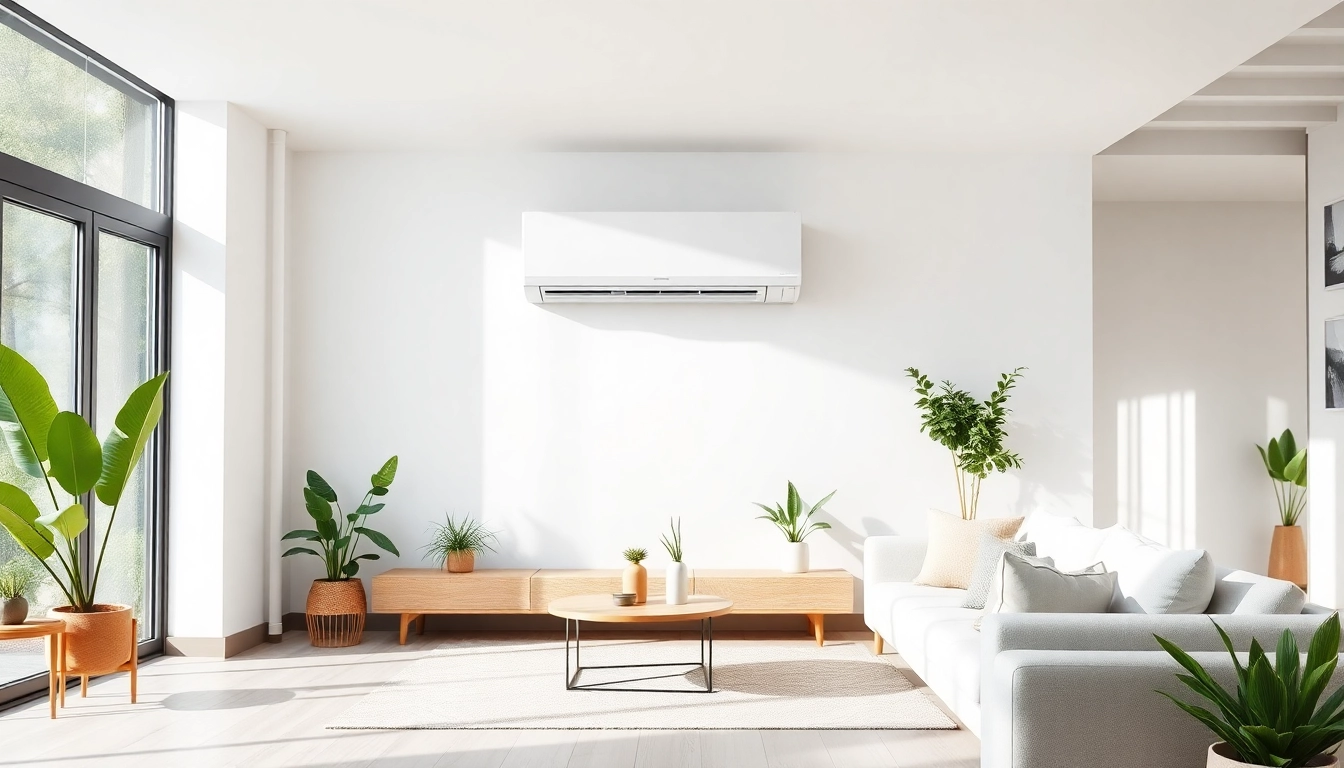
Introduction to Mitsubishi Mini Split AC
What is a Mitsubishi Mini Split AC?
A Mitsubishi Mini Split AC is an advanced air conditioning system designed to efficiently cool individual rooms or specific areas of a building without involving ductwork. Comprising an indoor unit and an outdoor compressor, the mini split system is renowned for its remarkable energy efficiency and flexibility in installation. With the versatility to cover a range of spaces, the mitsubishi mini split ac stands out as a popular choice for both residential and commercial applications.
Benefits of Mini Split Systems
There are numerous benefits to installing a mini split AC system, including:
- Energy Efficiency: Mini splits often have higher SEER ratings compared to traditional HVAC systems, allowing for significant energy savings.
- Zoning Capability: Each indoor unit can be individually controlled, enabling personalized comfort settings for different rooms.
- Space-Saving Design: As ductless systems, they require less space than traditional air conditioning, making them ideal for compact areas.
- Quiet Operation: Mitsubishi mini splits are designed to operate at low noise levels, enhancing comfort without distraction.
- Flexibility: The lack of ductwork allows for easier installation in various building types, including those without existing ducts.
Key Features of Mitsubishi Mini Split AC
Mitsubishi mini splits come packed with innovative features:
- Advanced Inverter Technology: This ensures the compressor adjusts its speed based on the cooling needs, providing consistent temperatures without the energy spikes.
- Multi-Zone Options: A single outdoor unit can support multiple indoor units, offering effective cooling across different rooms.
- Smart Controls: Many models come with Wi-Fi connectivity, allowing users to control temperature settings from their smartphones.
- Filtration Systems: Equipped with advanced filters that improve indoor air quality by trapping dust, allergens, and pollutants.
Installation Guide for Mitsubishi Mini Split AC
Choosing the Right Location
Choosing the optimal location for a Mitsubishi mini split AC installation is crucial for its performance. Indoor units should be mounted high on the wall for better air distribution and should not be obstructed by furniture or curtains. The outdoor unit, on the other hand, should be placed on a stable platform, away from direct sunlight, to avoid overheating and ensure efficient operation.
Installation Process Overview
The installation of a Mitsubishi mini split AC typically involves the following steps:
- Mounting the Indoor and Outdoor Units: Secure the indoor unit on the wall and position the outdoor unit in a suitable location.
- Connecting Refrigerant Lines: Ensure that the refrigerant lines and electrical wiring are properly connected.
- Testing the System: After installation, the system should be tested for functionality and potential leaks.
It’s advisable to hire a professional for installation to ensure compliance with local codes and to avoid common pitfalls.
Common Installation Mistakes
Even with careful planning, mistakes can happen during installation. Common errors include:
- Incorrect Sizing: Using an AC unit that’s too small or too large for the space can lead to inefficiency.
- Poor Location Choices: Installing the indoor unit too close to heat sources or blocking airflow with furniture.
- Inadequate Sealing: Failing to properly seal the connections can lead to refrigerant leaks and inefficiencies.
Energy Efficiency and Performance
SEER Ratings Explained
The Seasonal Energy Efficiency Ratio (SEER) measures the cooling output divided by energy consumed over a cooling season. Higher SEER ratings indicate greater energy efficiency. Mitsubishi mini split ACs often feature SEER ratings exceeding 20, making them some of the most efficient ductless systems on the market. This means lower electric bills and a reduced carbon footprint.
Enhancing Energy Efficiency
To maximize energy efficiency, consider the following strategies:
- Regular Maintenance: Clean filters monthly and schedule annual professional check-ups.
- Programmable Thermostats: Utilize smart thermostats to program temperature changes based on occupancy.
- Insulation Improvements: Ensure your home is well-insulated to retain cooled air effectively.
Performance Metrics to Watch
When evaluating the performance of a Mitsubishi mini split AC, consider these key metrics:
- BTU Rating: British Thermal Units indicate how much heat the system can remove from the air. Match BTUs to the size of the room for optimal performance.
- Airflow Rate: Measured in cubic feet per minute (CFM), it determines how effectively air is distributed.
- Noise Levels: Generally quieter than traditional systems, monitor decibel levels to ensure comfort.
Maintenance Tips for Long-lasting Performance
Regular Cleaning and Care
Ongoing maintenance is essential to keep your Mitsubishi mini split AC functioning effectively. Clean or replace filters monthly, ensure drain lines are clear, and check for any blockages around the indoor and outdoor units. This routine will prolong the system’s life and improve energy efficiency.
When to Call a Professional
While routine maintenance can be DIY, certain issues require professional intervention. Call an HVAC technician if you observe unexplained spikes in energy usage, strange noises, or uneven cooling throughout your home. They can provide expert diagnostics and repairs.
Signs Your Mitsubishi Mini Split AC Needs Service
Be on the lookout for these indicators that your system may need attention:
- Weak Airflow: If the system is blowing weak air, it may indicate clogged filters or duct issues.
- Leakage: Water pooling around the indoor unit is a clear sign of a problem.
- Inconsistent Temperatures: Fluctuations in cooling effectiveness across rooms suggest potential refrigerant issues.
Frequently Asked Questions
What size Mitsubishi Mini Split AC do I need?
The size needed depends on the room’s square footage, insulation, and other factors. A professional can help determine the best BTU rating for your space.
How do I maintain my Mitsubishi Mini Split AC?
Regularly clean or replace filters, ensure outdoor units are clear of debris, and schedule an annual maintenance checkup with a professional technician.
Is the Mitsubishi Mini Split AC noisy?
No, Mitsubishi mini splits are known for their quiet operation, often running at sound levels lower than traditional systems, making them suitable for bedrooms and quiet spaces.
What is the lifespan of a Mitsubishi Mini Split AC?
With proper maintenance, a Mitsubishi mini split system can last 15 to 20 years, making it a long-term investment for climate control.
Are Mitsubishi Mini Split AC systems efficient for heating?
Yes, they also provide efficient heating, often capable of performing well in colder temperatures, thanks to advanced heat pump technology.