
 admin
admin 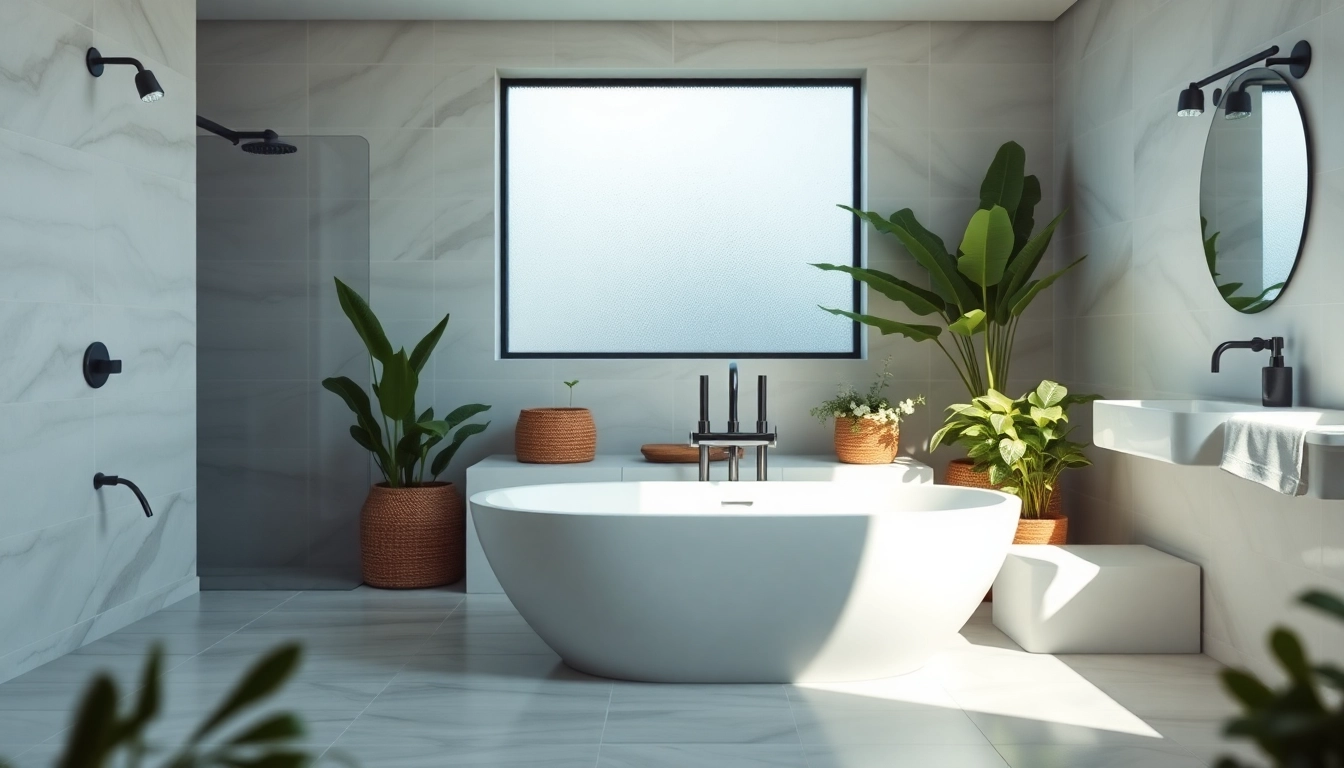
Understanding Bath Renovations
What Are Bath Renovations?
Bath renovations involve updating, redesigning, or completely remodeling a bathroom space to improve functionality, aesthetic appeal, and comfort. This process may include replacing fixtures, upgrading materials, reconfiguring layouts, and enhancing storage solutions. Bath renovations can vary from minor updates, such as changing faucets and lighting, to extensive transformations that reimagine the room’s entire structure.
Reasons to Consider Bath Renovations
There are several compelling reasons to engage in bath renovations. These include:
- Increased Home Value: A well-executed renovation can significantly boost a property’s market value, making it appealing to potential buyers.
- Enhanced Comfort: Updating an old bathroom can enhance comfort with modern amenities and improved ergonomics.
- Improved Functionality: Renovations can reconfigure a space to improve usability, such as adding extra storage or better layouts for families.
- Aesthetic Appeal: A fresh design can make your bathroom more inviting and enjoyable, reflecting personal style and preferences.
- Energy Efficiency: Renovating can include integrating energy-efficient fixtures and systems, reducing long-term utility costs.
Common Types of Bath Renovations
Bath renovations can be categorized into several types, including:
- Cosmetic Renovations: These include simple updates like painting walls, changing tiles, or upgrading fixtures without altering the bathroom’s structure.
- Partial Renovations: This entails updating specific areas or features, such as replacing the bathtub or shower, redesigning cabinetry, or improving lighting.
- Full Renovations: A complete overhaul involves significant changes, possibly including moving plumbing locations, altering the footprint, and redoing electricity. This is the most extensive type of renovation.
- Accessibility Renovations: Designed to accommodate individuals with mobility challenges, these renovations may include installing grab bars, wider doorways, and walk-in tubs.
Planning Your Bath Renovations
Budgeting for Bath Renovations
Determining a budget is one of the first steps in the renovation process. Start by analyzing the costs associated with your desired renovations. Be sure to include:
- Materials: Calculate the costs of tiles, fixtures, cabinetry, and other essential items. Opt for high-quality materials that fit your budget.
- Labor: If hiring professionals, get multiple quotes and consider the complexity of the work requiring skilled labor.
- Permits: Investigate if your renovation will require building permits and budget for associated fees.
- Unexpected Costs: Set aside a contingency fund of at least 10-20% for unexpected expenses that may arise during the renovation process.
Choosing the Right Materials
Selecting the right materials for your bathroom renovations is crucial for durability and aesthetic appeal. Consider the following:
- Flooring: Opt for moisture-resistant materials such as porcelain tiles or luxury vinyl planks, which can withstand high humidity and are easy to clean.
- Countertops: Choose non-porous materials such as quartz or solid surface that resist stains and are easy to maintain.
- Fixtures: Select high-quality faucets and showerheads that promote water efficiency while offering stylish designs.
- Storage: Consider built-in cabinetry options that maximize space and provide a streamlined look.
Hiring Professionals vs. DIY
Deciding whether to hire professionals or tackle the renovation as a DIY project depends on your level of expertise, the complexity of the renovation, and your available time. Hiring professionals can ensure quality workmanship and compliance with regulations but may involve higher costs. Conversely, a DIY approach can save money but requires careful planning and execution to avoid costly mistakes.
Design Ideas for Bath Renovations
Modern Trends in Bath Renovations
Current trends in bathroom design focus on creating a calm and spa-like ambiance. Here are some popular trends:
- Neutral Color Palettes: Soft, muted colors like white, beige, and gray provide a serene backdrop for the bathroom.
- Bold Accents: Incorporate bold accent colors through accessories, paint highlights, or feature walls to add personality.
- Open Spaces: Open-concept bathrooms with fewer physical barriers create a spacious feel, enhancing light and flow.
- Sustainable Materials: An increasing number of homeowners choose eco-friendly materials that minimize their impact on the environment.
Color Schemes and Tile Choices
Selecting the right colors and tiles can significantly enhance the aesthetics of your bathroom. Consider the following:
- Wall Colors: Lighter shades can make a small bathroom feel larger, while darker shades can provide coziness.
- Tile Selection: Use larger tiles in smaller spaces to minimize grout lines and create a seamless look. Consider textured tiles for added depth.
- Accent Tiles: Create visual interest with mosaic tiles or decorative accent borders that draw attention to specific areas.
Storage Solutions in Bath Renovations
Effective storage solutions are essential in any bathroom renovation. Here are some creative ideas:
- Built-in Shelving: Incorporate shelves within the walls to store towels and bathroom essentials without taking up floor space.
- Vanity with Drawers: Choose vanity cabinets with drawers instead of doors for easier access and organization.
- Over-the-Toilet Storage: Utilize the space above the toilet for shelves or cabinets to add functionality while keeping the area neat.
Executing Bath Renovations
Key Steps in the Renovation Process
Executing bath renovations involves several key steps:
- Planning: Identify your goals, budget, and timeline to create a comprehensive renovation plan.
- Design: Draft layout designs and select materials to visualize the final outcome.
- Preparation: Prepare the area by clearing out furniture and fixtures and ensuring all necessary utilities are safely shut off.
- Renovation: Execute the renovation according to the plan, starting with structural changes and then moving on to finishing touches.
- Inspection: Once renovations are complete, conduct a thorough inspection to ensure everything is up to your standards before using the space.
Permits and Regulations for Bath Renovations
Before beginning any major renovation, check local building codes and regulations. Some renovations may require permits, especially if they involve plumbing, electrical work, or structural changes. Failure to obtain necessary permits may lead to fines and complications when selling your home.
Tips for a Smooth Renovation Experience
To ensure a successful and smooth renovation process, consider the following tips:
- Communicate: Keep an open line of communication with contractors and anyone involved in the project to ensure transparency and address concerns quickly.
- Stay Organized: Maintain records of costs, receipts, and project timelines to keep track of the renovation process.
- Be Flexible: Be prepared to adapt to any unforeseen issues or changes that may arise during the renovation.
Post-Renovation Tips and Maintenance
Caring for Your Newly Renovated Bath
Once your bathroom renovations are complete, proper care will maintain its aesthetic appeal. Regular cleaning and using gentle cleaning products will help prolong the life of your fixtures and materials.
Updating Accessories and Decor
After completing the core renovation, consider refreshing accessories and decor. Simple touches, such as colorful towels, decorative mirrors, and plants, can personalize your space without a significant investment.
Evaluating the Impact of Your Bath Renovations
Reflect on the renovation process and the overall outcome. Consider how the updates have improved your daily routines and if they’ve resulted in the desired aesthetic and functionality. This evaluation can offer insights for any future renovations or improvements.
Frequently Asked Questions
1. What is the average cost of bath renovations?
The cost can vary widely based on the scope of work, types of materials, and labor. On average, expect to spend between $5,000 to $15,000 for a complete remodel.
2. How long does a bathroom renovation typically take?
Depending on the extent of the renovations, the timeline can range from a few days for minor updates to several weeks for major renovations.
3. Do I need a permit for a bathroom renovation?
Permits are often required for significant renovations involving plumbing or electrical work. Check your local building authority for specific requirements.
4. Can I renovate a bathroom on a budget?
Yes! Focus on cosmetic updates and choose affordable materials. Painting, replacing fixtures, and re-grouting tile can make a big impact without breaking the bank.
5. What are the top trends in bathroom design?
Current trends include natural materials, smart technology, open shelving, neutral colors, and spa-like features such as freestanding tubs and large showers.