
 admin
admin 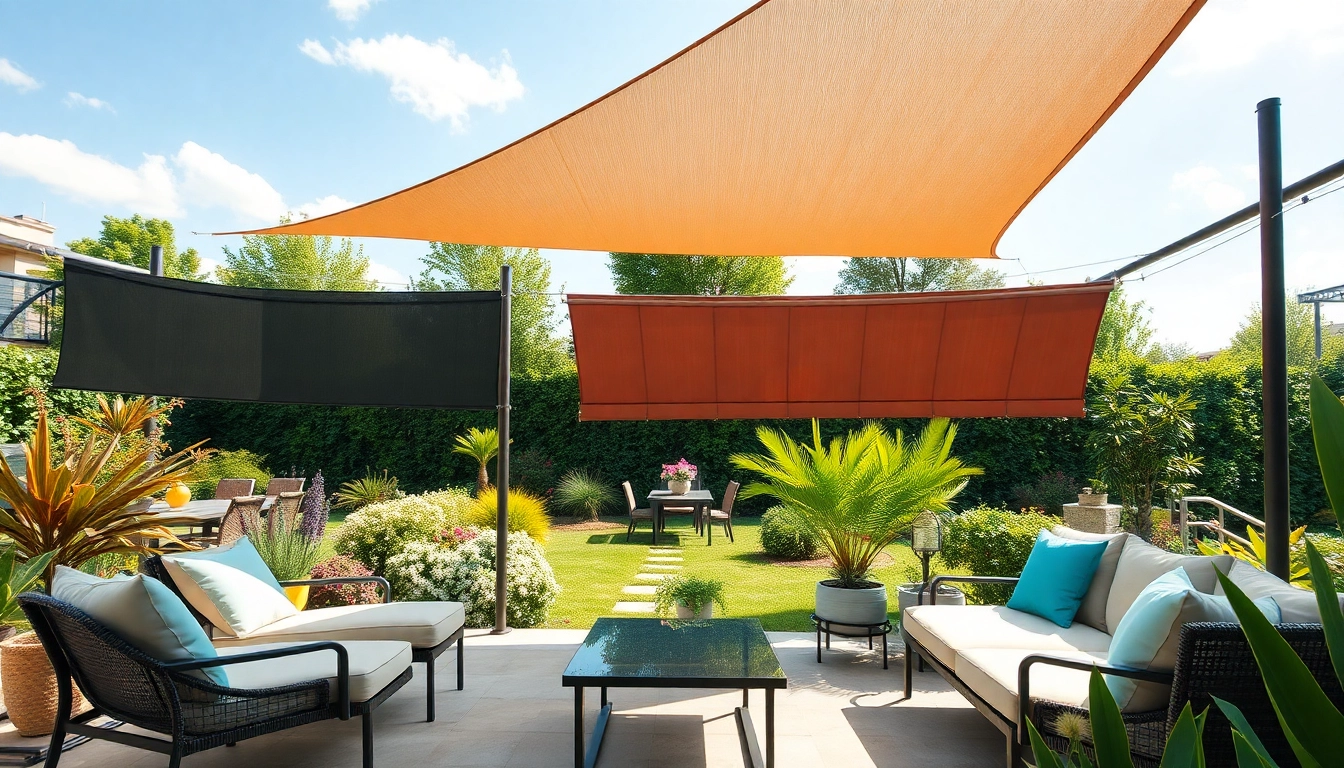
Understanding the Importance of Outdoor Shades
In the realm of outdoor living, comfort and functionality take precedence. One major element that contributes to an enjoyable experience is the use of Outdoor Shades. These beneficial installations not only enhance the aesthetic appeal of your outdoor space but also offer a shield against various environmental factors. Let’s delve into the intricacies of outdoor shades to fully appreciate their value.
What are Outdoor Shades?
Outdoor shades are protective coverings designed to provide relief from sunlight, rain, and wind in exterior spaces. Made from various materials, they come in numerous styles, sizes, and colors to suit a myriad of outdoor decor themes. Commonly seen in patios, decks, yards, and gardens, outdoor shades can be classified into retractable shades, fixed shades, canopies, awnings, and sun sails, each serving specific functional needs while enhancing outdoor living conditions.
Benefits of Using Outdoor Shades
The primary benefits of outdoor shades extend beyond mere aesthetics. Here are some key advantages:
- Protection from the Elements: They shield against harmful UV rays, reducing skin damage and heat exposure.
- Energy Efficiency: By blocking sunlight, outdoor shades keep your indoor spaces cooler, thus saving energy costs related to air conditioning.
- Enhanced Privacy: Many outdoor shades provide privacy by obstructing the view from outside while maintaining airflow.
- Increased Outdoor Usability: With protection against sun and rain, outdoor shades allow for extended use of your outdoor spaces year-round.
- Design Versatility: Available in various colors and patterns, outdoor shades can complement any décor style, adding beauty to your environment.
Common Uses and Applications
Outdoor shades can be used in a variety of settings and for different purposes:
- Patios and Decks: They can create comfortable dining and lounging areas while protecting from harsh sunlight.
- Window Awnings: Offering shade atop windows, they enhance aesthetics while blocking direct sunlight into homes.
- Commercial Spaces: Restaurants and cafés often use them to provide shaded outdoor seating, enhancing customer comfort.
- Gardens: Garden structures may use shades to protect plants from excess sunlight or light rain.
Types of Outdoor Shades Available
Understanding the different types of outdoor shades is vital when making a purchase decision. Here’s a closer look at some popular options:
Fabric and Material Options
Outdoor shades come in a variety of materials suited for different climates and preferences. Here are some common materials:
- Polyester: Durable and lightweight, it is resistant to fading and offers UV protection.
- Canvas: A thick, durable material that provides good UV protection and is often used for awnings.
- Vinyl: Generally weather-resistant and easy to clean, making it an ideal choice for longevity.
- Metal: Often used in fixed shades or awnings, it provides excellent durability and wind resistance.
Styles and Designs
The style and design of outdoor shades are crucial not just for functionality but also for enhancing visual appeal. Various designs include:
- Retractable Shades: These can be pulled down or rolled up according to preference, offering flexibility.
- Fixed Canopies: Permanent structures that offer consistent shelter without the need to adjust.
- Drop Shades: Ideal for vertical applications, providing shade without obstructing airflow.
- Patio Umbrellas: Portable and available in a range of sizes and colors, these are perfect for smaller spaces.
Adjustable vs. Fixed Outdoor Shades
Choosing between adjustable and fixed shades can greatly affect how you use your outdoor space:
- Adjustable Shades: Allow customization based on the sun’s position throughout the day, providing versatility.
- Fixed Shades: Offer permanent solutions but may not protect from changing sunlight angles.
How to Select the Best Outdoor Shades
Selecting the right outdoor shades requires careful consideration of space, climate, and budget. Here’s a comprehensive approach to help guide your decision:
Assessing Your Space and Needs
Begin by assessing your outdoor space. Consider the size of the area, the primary use (dining, relaxing, gardening), and the desired level of shade. Measure your space accurately, and visualize where the shades will be installed for optimal effect.
Considering Climate and Location
Your local climate significantly influences the performance and durability of outdoor shades. In areas with strong winds, opt for heavier materials, while those in sunny locales may benefit from UV-resistant fabrics that retain their colors over time.
Budgeting for Your Purchase
Establish a budget before shopping for outdoor shades. Consider not only the initial purchase cost but also long-term maintenance and installation costs. Compare options within your budget to find the best quality and design that meets your needs.
Installation and Maintenance of Outdoor Shades
Understanding how to install and maintain your outdoor shades extends their life and efficiency. Here’s a breakdown:
DIY Installation Guide
Many outdoor shades come with installation kits, making it possible for homeowners to handle setup themselves. A typical installation process involves the following steps:
- Gather necessary tools (screwdriver, measuring tape, level).
- Follow the manufacturer’s instructions carefully, ensuring accurate measurements.
- Mount the brackets securely onto chosen surfaces (walls, posts).
- Attach the shade, ensuring it operates smoothly and adequately covers the desired area.
Maintenance Tips
Keeping your outdoor shades in top condition can maximize their lifespan:
- Regularly clean the surface with mild soap and water to prevent dirt buildup.
- Ensure mechanical parts (e.g., pulleys, tracks) are free from debris and function correctly.
- Store retractable shades indoors during extreme weather to prolong durability.
Common Mistakes to Avoid
Here are some frequent pitfalls to steer clear of:
- Neglecting to measure properly, leading to ill-fitting shades.
- Overlooking local climate, which can impact durability.
- Failing to read and follow installation instructions, resulting in compromised functionality.
Enhancing Your Outdoor Space with Shades
Outdoor shades can transform your exterior environment, making it more functional and enjoyable. Here’s how to integrate them effectively with your existing décor:
Complementing Your Existing Decor
Choose shades that harmonize with your outdoor furniture and landscaping. For example, neutral fabrics can blend seamlessly with vibrant plant life, while bold shades can serve as focal points.
Outdoor Activities and Seating Arrangements
Think about how you’ll use your space. If you host outdoor dinners, a spacious canopy can provide a picturesque setting. For relaxation, an umbrella over lounge chairs can create a cozy nook.
Creating Ambiance with Lighting
Integrate lighting fixtures alongside outdoor shades to enhance ambiance during evening gatherings. String lights, lanterns, or solar-powered garden lights can provide a welcoming atmosphere.
Frequently Asked Questions
What are the best materials for Outdoor Shades?
Look for materials that offer ease of maintenance, durability, and UV protection. Polyester and vinyl are common choices due to their resilience against weather elements.
Can I install Outdoor Shades myself?
Yes, most Outdoor Shades include DIY installation instructions and require just basic tools, making them accessible for homeowners.
How do I clean Outdoor Shades?
Mild soap and a soft cloth are recommended for cleaning. Avoid harsh chemicals to maintain the integrity and appearance of the material.
Will Outdoor Shades provide privacy?
Yes, many styles offer varying degrees of privacy. You can select shades that provide complete coverage or those that allow some visibility based on your needs.
Are Outdoor Shades weather-resistant?
Most Outdoor Shades are designed to withstand varying weather conditions. However, it’s essential to verify the specifications to ensure durability in extreme weather.