
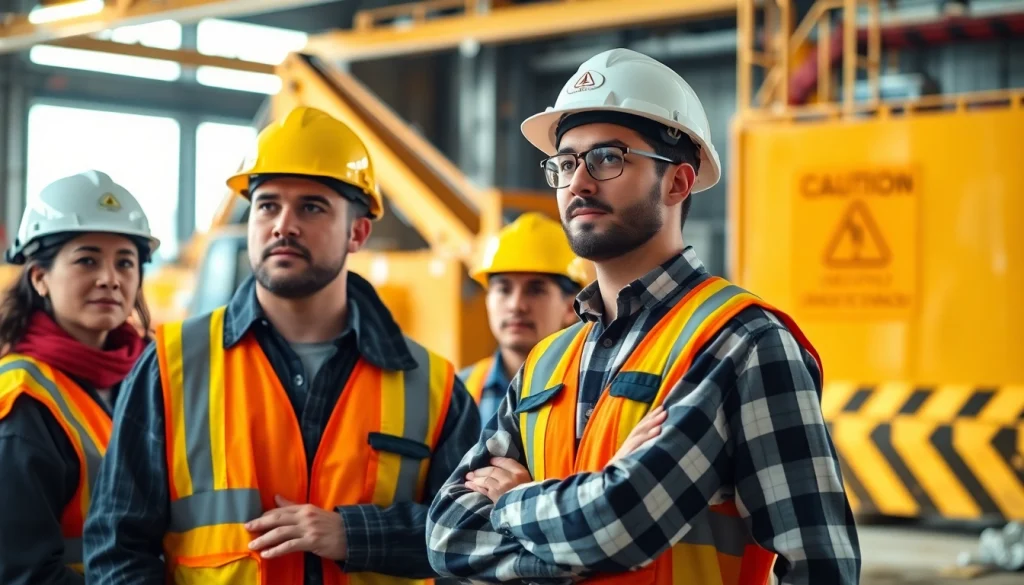
Understanding Construction Safety Training
Construction safety training is not just a regulatory requirement; it is a fundamental component in ensuring a safe work environment. This essential training equips workers with the knowledge and skills necessary to recognize potential hazards and respond appropriately. When implemented effectively, construction safety training can significantly reduce the risk of accidents and injuries on construction sites.
Importance of Construction Safety Training
The construction industry is characterized by its dynamic and sometimes hazardous environments. With heavy machinery, scaffolding, and various tools in use, the potential for accidents is high. By prioritizing safety training, companies can foster a culture of safety, leading to numerous benefits:
- Reduction in Injury Rates: Comprehensive training reduces the likelihood of accidents, thus protecting workers’ health.
- Increased Productivity: A safe work environment leads to fewer disruptions caused by injuries, allowing projects to proceed on schedule.
- Regulatory Compliance: Adhering to safety training regulations avoids costly fines and legal issues.
- Enhanced Reputation: Companies known for prioritizing safety attract skilled workers and clients who value a safe work environment.
Types of Construction Safety Training Programs
There are various training programs designed to address the unique safety needs of construction sites. Common types include:
- General Safety Orientation: Introduction to workplace safety standards and policies.
- Hazard Recognition Training: Techniques to identify and mitigate potential hazards.
- First-Aid and CPR Training: Essential skills to respond to medical emergencies effectively.
- Forklift and Heavy Machinery Operation: Specialized training on safe operation and handling of equipment.
- Fall Prevention and Protection: Strategies and equipment to prevent falls from heights.
Regulatory Compliance in Construction Safety
Regulatory compliance is a critical aspect of construction safety training. Organizations must stay updated on local, state, and federal regulations. The Occupational Safety and Health Administration (OSHA) sets the standards for construction safety and health, requiring specific training programs to be implemented. Compliance not only safeguards employee welfare but also protects companies from legal repercussions. Familiarity with OSHA guidelines ensures that safety training is not only relevant but also effective in preventing workplace incidents.
Essential Components of Effective Training
Curriculum Development for Construction Safety Training
Developing a comprehensive curriculum is crucial for delivering effective construction safety training. This curriculum should be tailored to the specific needs of the workforce and the types of projects being undertaken. It should include:
- Regulatory Standards: An overview of applicable safety regulations relevant to the construction industry.
- Risk Assessment Procedures: Instruction on how to evaluate and mitigate risks on the job site.
- Emergency Response Protocols: Guidelines for responding to various emergency situations.
Interactive Learning Methods and Tools
To enhance learning retention and engagement, interactive training methods should be employed. These may include:
- Group Discussions: Encourage sharing of experiences and insights.
- Hands-on Training: Practical demonstrations of safety equipment and procedures.
- Simulations: Realistic simulations of hazardous situations to practice response techniques.
Training Delivery: In-person vs Online
The choice between in-person and online training delivery methods is contingent upon various factors such as employee preference, accessibility, and training objectives. In-person training fosters immediate interaction and Q&A opportunities, while online training provides flexibility and can accommodate various learning paces. A blended approach often yields the best results, combining the advantages of both formats to bolster engagement and improve learning outcomes.
Implementing Construction Safety Training
Creating a Safety Training Schedule
Establishing a well-structured safety training schedule is vital for ensuring all employees receive timely training. This schedule should consider:
- The frequency of training sessions.
- New employee onboarding procedures.
- Ongoing refresher courses for existing staff.
Engaging Employees in Safety Practices
Engagement is essential for the success of safety training programs. Employers can promote participation by:
- Highlighting the personal benefits of safety training.
- Encouraging team collaboration during training sessions.
- Recognizing and rewarding safe behaviors in the workplace.
Monitoring and Assessing Employee Training
Regular assessment of training effectiveness is crucial. Employers should establish a method for monitoring the progress of employees through:
- Quizzes and assessments following training sessions.
- Incident reporting analysis to identify knowledge gaps.
- Feedback from employees regarding training quality and impact.
Best Practices for Successful Training
Continuous Education and Recertification
Construction safety is an evolving field, requiring continuous education to keep pace with new standards and technologies. Offering periodic recertification and ongoing training opportunities ensures that employees maintain their knowledge and skills. This approach reinforces the commitment to safety and encourages employees to remain vigilant.
Utilizing Technology in Safety Training
Technology can significantly enhance the effectiveness of construction safety training. Virtual reality simulations create immersive training experiences, while e-learning platforms provide flexible access to resources and information. Mobile applications can also serve as valuable tools for instant access to safety protocols and checklists at the job site, ensuring that employees always have the necessary information at their fingertips.
Building a Safety-first Culture at Work
Creating a safety-first culture requires a top-down approach where leadership models safety practices, encourages open communication, and prioritizes employee feedback. Continuous reinforcement of safety measures fosters a personal responsibility mindset among workers, making safety an integral part of everyday operations rather than a compliance checklist.
Measuring Effectiveness of Safety Training Programs
Key Performance Indicators for Safety Training
Effective measurement of training efficacy can be achieved through key performance indicators (KPIs). Common KPIs include:
- Reduction in workplace accidents.
- Improvement in employee participation rates in safety training sessions.
- Results from employee assessments post-training.
Feedback Mechanisms for Training Improvement
To continually refine training programs, implementing robust feedback mechanisms is essential. This can involve:
- Post-training surveys to gather participant insights.
- Focus groups to discuss the training content and delivery.
- Analysis of changes in safety performance metrics post-training.
Case Studies: Successful Construction Safety Training
Examining case studies of successful construction safety training implementations can provide valuable insights. One notable example involves a construction company that revamped their training program. By adopting a blended learning approach, integrating interactive methods, and utilizing technology, they saw a reduction in incident rates by over 30% within the first year. Such examples serve as motivation for other companies seeking to enhance their safety training initiatives.
Frequently Asked Questions
What is construction safety training?
Construction safety training equips workers with necessary skills and knowledge to identify hazards and promote safety on job sites.
Why is construction safety training important?
This training is vital for reducing workplace accidents and ensuring compliance with safety regulations, ultimately protecting workers and promoting productivity.
What types of training programs are available?
Programs include general safety orientations, hazard recognition training, first-aid certification, and equipment operation training.
How often should training be conducted?
Training frequency depends on the industry and regulations but should include initial onboarding and periodic refresher courses.
What are the best methods for delivery?
A blended approach using both in-person and online formats tends to be most effective, accommodating diverse learning styles and needs.