
 admin
admin 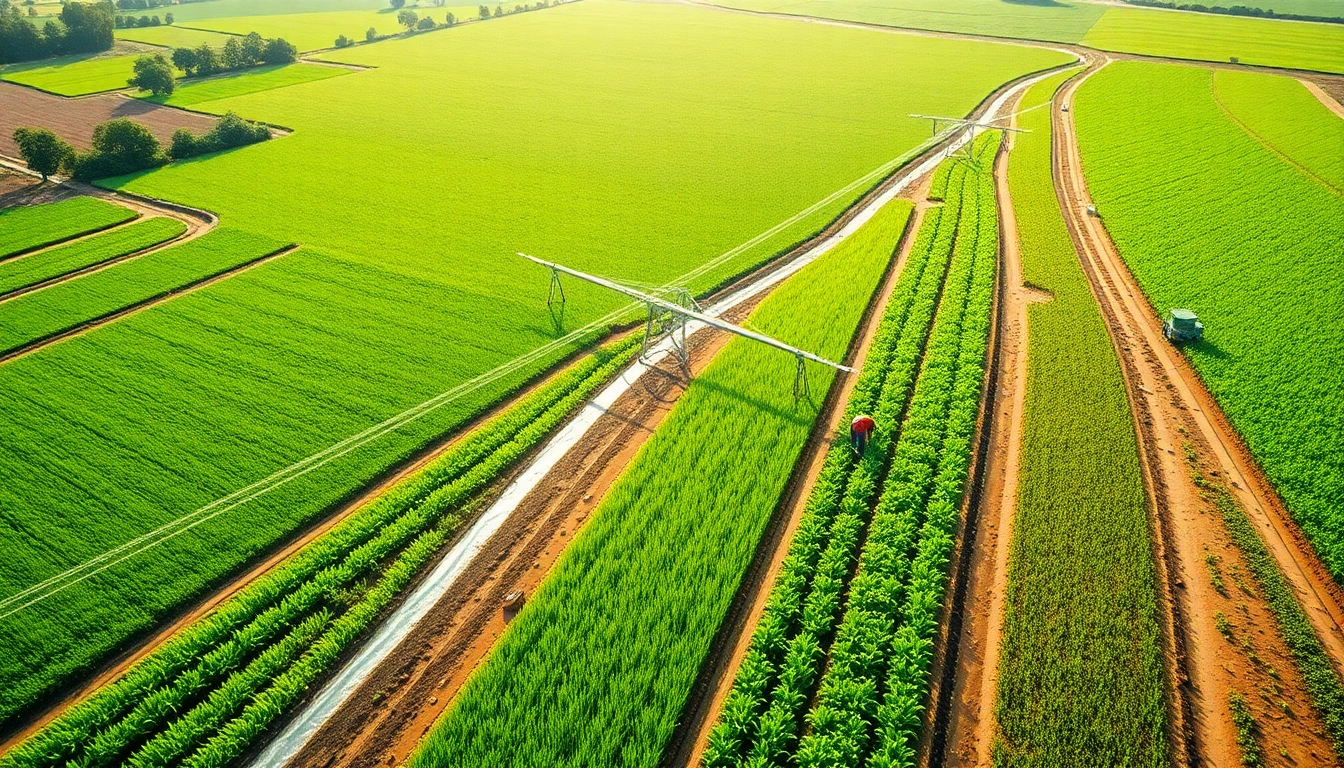
Understanding Land Irrigation
What is Land Irrigation?
Land irrigation is the artificial application of water to soil to assist in growing crops and maintaining landscapes. This practice is vital in agriculture, especially in regions where natural rainfall is insufficient. Through proper land irrigation, farmers can enhance crop yields and ensure food security, which is increasingly critical in the face of climate change and population growth.
Types of Land Irrigation Techniques
Various methods of land irrigation have evolved over time, each with its pros and cons. Below are some common techniques:
- Surface Irrigation: This traditional method involves water flowing over the soil surface, relying on gravity. It’s best suited for flat landscapes.
- Drip Irrigation: A more efficient technique where water drips directly to the roots of plants through a system of tubing, which minimizes evaporation and runoff.
- Sprinkler Irrigation: Mimics natural rainfall. Water is sprayed over crops using a system of pipes and pumps. It’s highly effective for large agricultural fields.
- Subsurface Irrigation: Involves burying tubes underground that deliver water directly to the root zones. This method is suitable for areas with high evaporation rates.
- Flood Irrigation: Water floods the entire field. While it’s simple, it can lead to water loss through evaporation and is less efficient than other methods.
Benefits of Efficient Land Irrigation
Employing efficient land irrigation techniques can lead to numerous benefits:
- Increased Crop Yields: Timely and precise watering can significantly improve plant growth and productivity.
- Water Conservation: Efficient systems like drip irrigation can reduce water usage by up to 60% compared to conventional methods.
- Soil Health Preservation: Proper irrigation techniques help reduce soil erosion and maintain nutrient levels.
- Improved Pest and Disease Management: Controlled watering can minimize conditions favorable for pests and diseases.
- Cost-Effectiveness: While initial investment in advanced systems may be high, long-term savings on water and energy often outweigh these costs.
Assessing Water Resource Management
Evaluating Water Availability for Land Irrigation
A comprehensive assessment of available water resources is imperative for effective irrigation planning. This includes examining surface water sources like rivers and lakes, as well as groundwater levels. Additionally, understanding the seasonality of water availability can help optimize irrigation schedules for maximum efficiency.
Techniques for Water Conservation
Water conservation is crucial in sustaining agricultural productivity. Various strategies can be implemented, including:
- Rainwater Harvesting: Collecting and storing rainwater for irrigation use.
- Soil Moisture Sensors: Utilizing technology to monitor soil moisture levels, allowing for more precise irrigation.
- Crop Rotation: Implementing diverse crops can reduce overall water requirements by improving soil structure and moisture retention.
- Mulching: Covering soil with organic materials to retain moisture and suppress weeds.
Impact of Climate on Water Resources
Climate change poses significant challenges to water resource management. Increased temperatures lead to higher evaporation rates, while changing rainfall patterns can result in either droughts or flooding. Adapting irrigation practices to these changes is crucial for sustainable agriculture.
Implementing Advanced Irrigation Methods
Drip Irrigation as a Sustainable Solution
Drip irrigation stands out as one of the most sustainable approaches to land irrigation. By directly delivering water to plant roots, this method reduces waste and promotes optimal growth conditions. Moreover, it can be utilized across various terrains, making it versatile for different agricultural settings.
Sprinkler Systems for Large Fields
Sprinkler irrigation systems are particularly suited for large agricultural fields, effectively covering expansive areas with minimal labor. They can be adjusted to cater to various crop types and topographies, providing flexibility in irrigation management. These systems can also be automated to further enhance efficiency.
Innovative Technologies in Land Irrigation
Technological advances are continually transforming land irrigation practices. Innovations include:
- Smart Irrigation Systems: These systems utilize IoT devices to monitor environmental conditions and adjust water delivery in real time.
- Remote Sensing: Integrating satellite and drone technology allows for accurate monitoring of crop health and soil moisture levels.
- Aquaponics: Combining aquaculture with irrigation, this method nurtures plants and fish in a closed-loop system, enhancing water efficiency.
- Automated Control Systems: Automating irrigation schedules based on data analytics can lead to significant improvements in water usage efficiency.
Challenges and Solutions in Land Irrigation
Identifying Common Irrigation Challenges
Farmers may encounter several common challenges in land irrigation, such as unpredictable weather patterns, outdated equipment, and insufficient water supply. Identifying these issues is the first step toward developing effective solutions.
Mitigating Soil Salinity Issues
Soil salinity can be a severe challenge, particularly in arid regions. To mitigate this issue, farmers can adopt strategies such as:
- Draining Excess Water: Implementing proper drainage systems to prevent waterlogging.
- Use of Gypsum: Adding gypsum can help displace sodium ions from the soil.
- Leaching: Periodically flushing the soil with freshwater can help remove accumulated salts.
Addressing Equipment Maintenance
Maintaining irrigation equipment is crucial for optimal performance. Regular checks, cleaning, and timely repairs can prevent costly breakdowns. Implementing a maintenance schedule ensures that equipment operates efficiently and reduces water loss.
Measuring the Impact of Land Irrigation
Key Performance Indicators for Irrigation Efficiency
To gauge the effectiveness of land irrigation practices, various key performance indicators (KPIs) should be considered, including:
- Water Use Efficiency: Determining the amount of water used per unit of crop yield.
- Crop Yield per Acre: Measuring productivity against the area of land irrigated.
- Soil Moisture Levels: Tracking moisture content can help assess whether irrigation methods are effective.
- Operational Costs: Analyzing expenses associated with irrigation can provide insight into financial efficiency.
Case Studies of Successful Land Irrigation
Numerous case studies illustrate the successful implementation of effective land irrigation techniques. For example, a farm in California adopted a combination of drip irrigation and rainwater harvesting, resulting in a significant reduction in water use while increasing crop yields by over 30%. Such case studies showcase the potential impact and applicability of modern irrigation practices.
Continuous Improvement in Irrigation Practices
Continuous improvement through the adoption of new techniques and technologies is essential for the evolution of land irrigation. Farmers should stay informed about innovations in irrigation, conduct regular performance reviews, and be open to experimenting with new practices. This iterative approach can lead to enhanced sustainability and productivity over time.
Frequently Asked Questions About Land Irrigation
1. What is the difference between surface and drip irrigation?
Surface irrigation relies on gravity to distribute water over the soil, while drip irrigation delivers water directly to the roots through a network of tubes. Drip irrigation is generally more efficient and conserves water.
2. How can I determine the best irrigation method for my farm?
Consider factors such as soil type, crop requirements, available water sources, and cost. Consulting local agricultural extension services can provide tailored advice.
3. What is soil salinity, and how does it affect crops?
Soil salinity refers to the concentration of soluble salts in soil. High salinity can inhibit plant growth by affecting water absorption and nutrient uptake.
4. How often should I irrigate my crops?
Irrigation frequency depends on factors like crop type, soil moisture, and weather conditions. Regular soil moisture monitoring can help determine optimal schedules.
5. Can modern irrigation technologies help conserve water?
Yes, technologies such as smart irrigation systems and soil moisture sensors can significantly reduce water usage by delivering water more precisely to crops.