Introduction to Metal Roofing
In recent years, metal roofing has emerged as a leading choice for homeowners and builders alike. Its unique combination of durability, energy efficiency, and aesthetic appeal makes it a worthy consideration for various architectural designs. This comprehensive guide aims to delve deep into metal roofing, outlining its defining aspects, benefits, selection criteria, maintenance tips, and addressing common queries. By the end of this article, readers will have a profound understanding of why metal roofing is rapidly gaining popularity and how they can make informed decisions regarding their roofing needs.
What is Metal Roofing?
Metal roofing refers to roofing systems made from metal pieces or tiles. These systems provide a durable and long-lasting alternative to traditional roofing materials like asphalt shingles and tiles. Metal roofs can be composed of various metals, each offering unique properties and benefits, ensuring that there is a suitable option for every kind of building and climate.
Types of Metal Roofing Materials
There are several common materials used in metal roofing, each with its distinct advantages:
- Steel: The most widely used metal in roofing, steel can be coated with zinc (galvanized) or a layer of stone to enhance its durability and aesthetics.
- Aluminum: Lightweight and resistant to corrosion, aluminum is particularly beneficial in coastal areas or locations that experience high moisture levels.
- Copper: Known for its long life and appealing patina, copper roofing is often chosen for its luxurious appearance, though it comes at a premium cost.
- Zinc: Similar to copper, zinc offers a beautiful finish and excellent durability while being environmentally friendly.
Advantages of Metal Roofing
Choosing metal roofing comes with numerous advantages, making it a compelling option for both residential and commercial buildings:
- Longevity: Most metal roofs can last 40 to 70 years, significantly outpacing traditional materials such as asphalt shingles, which typically last only 15 to 30 years.
- Energy Efficiency: Reflective metal roofing can help reduce cooling bills by reflecting solar radiant heat. This energy efficiency can lead to significant savings over time.
- Fire Resistance: Metal roofing is non-combustible, providing enhanced protection against fire hazards.
- Low Maintenance: Metal roofs require minimal maintenance when installed correctly, which can save homeowners time and money.
Benefits of Metal Roofing
Durability and Longevity
One of the most significant benefits of metal roofing is its durability. Metal roofs can withstand harsh weather conditions, including hail, snow, and high winds, which can severely damage other types of roofing materials. The lifespan of a metal roof can exceed 50 years with proper installation and maintenance, making it a cost-effective long-term investment for any property owner.
Energy Efficiency Insights
Energy efficiency is another vital aspect of metal roofing. Many metal roofs come treated with reflective coatings that allow them to reflect a substantial amount of solar energy. This quality can lead to lower cooling costs by reducing the heat absorbed into buildings, especially in warmer climates. Moreover, metal roofs can potentially qualify for energy-efficient roofing tax credits, adding yet another financial incentive for homeowners.
Cost-Effectiveness Over Time
While the initial investment for metal roofing may be higher compared to traditional materials, its longevity, low maintenance, and energy savings significantly enhance its value. Over time, homeowners save on repairs, replacements, and energy bills, making it a financially savvy decision.
Choosing the Right Metal Roofing
Factors to Consider
When selecting metal roofing, several essential factors should guide your decision-making process:
- Climate: Consider the weather patterns in your area; different materials excel in various climates.
- Weight: Ensure your building can support the weight of the metal roofing material you choose.
- Style: Select a style that complements your home’s architecture while considering color, finish, and profile options.
- Budget: Factor in both the initial cost and long-term savings in your financial planning.
Popular Styles and Finishes
Metal roofing comes in various styles and finishes, including:
- Standing Seam: Known for its sleek and modern look, standing seam roofs consist of vertical panels with interlocking seams that stand above the level of the roof.
- Corrugated Metal: A more traditional look, corrugated metal roofs are recognizable for their wavy pattern and are often seen in industrial settings.
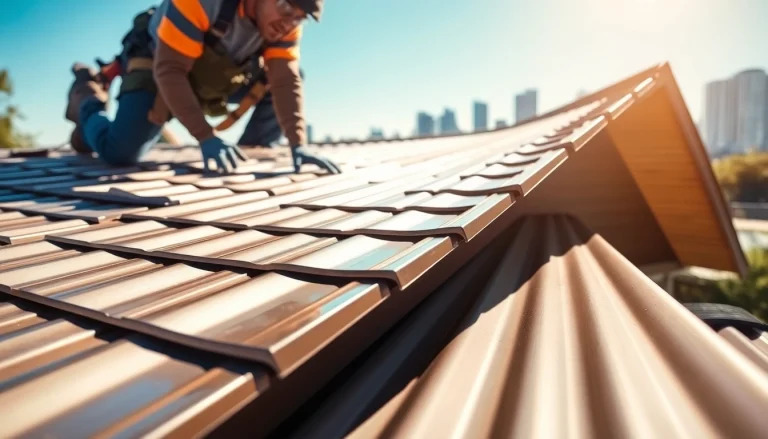
- Metal Tiles: These mimic the appearance of traditional roofing materials like tiles or shingles while providing the advantages of metal roofing.
Professional Installation vs. DIY
The choice between hiring a professional or attempting a DIY installation largely depends on your skill set, experience with similar projects, and the complexity of the roof design. While a professional installer ensures a quality job and can potentially offer warranties, DIY installation may save money if undertaken with the proper knowledge and tools.
Maintenance Tips for Metal Roofing
Regular Inspections and Cleaning
Regular maintenance is crucial to prolong the life of your metal roof. Schedule inspections at least twice a year, ideally in the spring and fall, to check for loose seams and debris accumulation. Regular cleaning to remove leaves, branches, and other debris helps prevent moisture retention, which can lead to corrosion over time.
Managing Rust and Corrosion
While modern metal roofs generally feature protective coatings, it is still vital to monitor for signs of rust or corrosion. If rust appears, it’s crucial to address it promptly. Sanding and repainting the affected areas can help restore the roof and prevent further deterioration.
Seasonal Maintenance Checklist
To ensure your metal roof remains in optimal condition through every season, consider the following seasonal maintenance checklist:
- Spring: Inspect for storm damage, clean gutters, and remove debris.
- Summer: Verify that roofing materials are securely fastened and check for rust.
- Fall: Clean the roof and gutters of leaves and debris, check seals.
- Winter: Ensure snow does not accumulate excessively; remove large snow loads safely.
FAQs about Metal Roofing
How long does metal roofing last?
Metal roofing can last 40 to 70 years, depending on the material quality and local climate conditions.
Is metal roofing energy-efficient?
Yes, metal roofing is energy-efficient due to its ability to reflect solar energy, reducing cooling costs.
Can I install metal roofing over existing shingles?
Yes, metal roofing can typically be installed over existing shingles without removing them.
What are the common styles of metal roofing?
Common styles include standing seam, corrugated metal, and metal tiles, each offering a unique look.
Does metal roofing make noise during rain?
Metal roofing can be noisier in the rain, but proper insulation and underlayments can significantly reduce sound.