
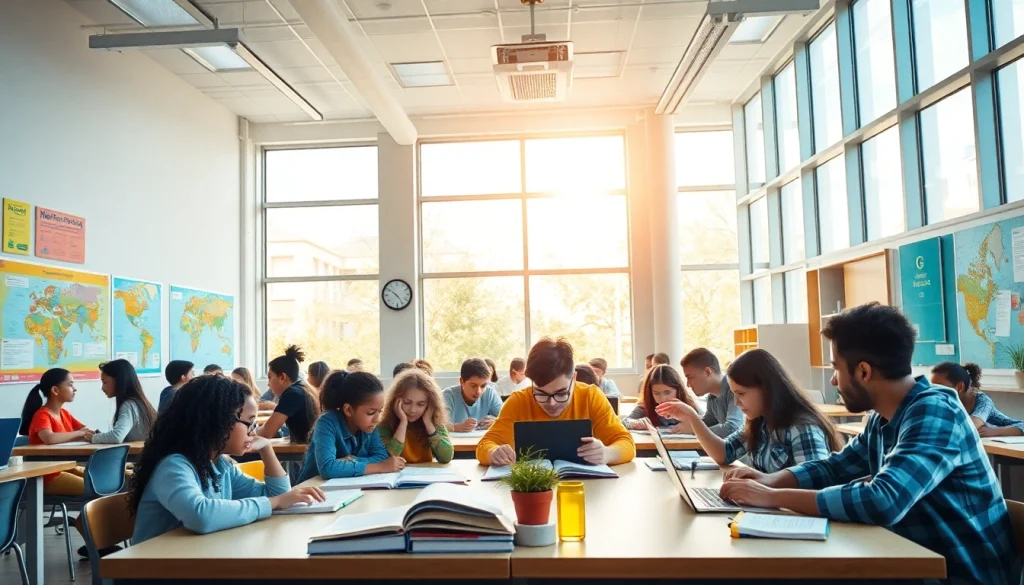
Understanding Education Equity: The Foundation for Reform
In 2026, the conversation around education equity has taken center stage as stakeholders recognize its critical role in shaping a more just and inclusive society. Education equity promotes fair access, opportunities, and advancement for all individuals, particularly those who have been marginalized or underserved within the educational landscape. This article, influenced by the work of advocates like Dr. Matthew Lynch, explores the ways in which education serves as a doorway to freedom, equality, and justice. When searching for resources to deepen your understanding of education, it’s essential to engage with perspectives that challenge conventional views and promote innovative solutions.
Defining Education Equity in 2026
Education equity is defined as ensuring that every student has access to the resources and educational opportunities necessary to succeed, regardless of their background or circumstances. This involves recognizing and addressing systemic barriers such as socioeconomic status, race, and disability that can hinder a student’s success. As we progress through 2026, the definition of education equity continues to evolve, reflecting societal changes and advancements in educational research.
Common Misconceptions about Education
Despite increasing awareness, several misconceptions about education equity persist. One common myth is that equal resources equate to equitable outcomes. In reality, equitable education requires targeted support tailored to the unique needs of students. This can manifest in various forms, from differentiated teaching strategies to culturally relevant curriculum design.
The Importance of Inclusivity in Learning Environments
Inclusivity in education means creating an environment where all students feel valued and supported. This involves not only diversifying curricula but also promoting an atmosphere where diverse perspectives are encouraged. Schools that embrace inclusivity are better equipped to engage students and foster a sense of belonging, which is vital for their academic and personal growth.
Current Challenges in Education Reform
While substantial progress has been made in education reform, significant challenges remain. Understanding these barriers is crucial for educators and policymakers committed to advancing education equity.
Identifying Barriers to Effective Education
Barriers to effective education can range from inadequate funding and resources to systemic biases within school systems. For example, schools in low-income areas often struggle with insufficient funding, leading to overcrowded classrooms and a lack of modern educational materials. Identifying these barriers allows advocates to address them systematically and implement targeted interventions.
Real-World Case Studies of Education Inequity
Examining real-world examples of education inequity provides valuable insights into the challenges faced by students and educators. For instance, schools in urban areas may contend with high dropout rates and lower academic performance due to socio-economic challenges, highlighting the urgent need for focused reform efforts. Such case studies inform effective strategies for reform by showcasing both the problems and potential solutions.
Combatting Misunderstandings in Educational Practices
Misunderstandings can impede progress in education reform. Educators must engage in professional development to better grasp the complexities of equity and inclusivity. This includes training on culturally responsive teaching practices and understanding implicit biases that can affect classroom dynamics.
Innovative Approaches to Education Reform
To address challenges in education equity, innovative approaches are essential. This section explores several strategies that leverage technology and community involvement to create more equitable educational experiences.
Leveraging Technology for Equitable Learning
Technology has the potential to bridge gaps in education equity by providing resources and learning opportunities that were once out of reach for many students. Online learning platforms, adaptive learning technologies, and educational apps can make learning more accessible and personalized. For example, students in remote areas can access high-quality educational content through online platforms, leveling the playing field.
Community-Inclusive Policies for Education
Policies that involve community stakeholders in educational reform efforts are more likely to succeed. By collaborating with families, local organizations, and businesses, schools can create a supportive ecosystem that nurtures student success. This community engagement fosters trust and accountability, essential components of lasting reforms.
Rethinking Curriculum for Diverse Learners
Curricula must reflect the diversity of the student population to be effective. This includes incorporating multicultural perspectives and addressing varied learning styles. A reimagined curriculum not only engages students but also prepares them for a globalized world.
Measuring Success in Education Equity Initiatives
Successful education equity initiatives require ongoing evaluation and adjustments based on feedback and outcomes. This section discusses critical metrics and practices for assessing equity efforts.
Key Metrics for Equity in Education
Metrics for measuring education equity should go beyond standardized test scores. These may include tracking student engagement, graduation rates, and post-secondary enrollment statistics. A comprehensive approach ensures that all aspects of student experience are considered when evaluating success.
Evaluating the Impact of Reform Practices
Impact evaluation is vital for determining the effectiveness of education reforms. This involves collecting data before and after implementing changes and analyzing whether those changes positively influence student outcomes. Continuous evaluation allows for dynamic adjustments and improvements to be made in real-time.
Feedback Mechanisms for Continuous Improvement
Feedback from students, parents, and educators can provide invaluable insights into the effectiveness of educational practices. Establishing formal channels for feedback ensures that the voices of those directly impacted by reforms are heard and incorporated into decision-making processes.
Future Trends in Education for 2026 and Beyond
The future of education is multifaceted and influenced by emerging technologies, global perspectives, and evolving societal needs. This section highlights key trends that will shape the next generation of education.
Emerging Innovations in Digital Learning
Digital learning technologies will continue to advance, creating more immersive and interactive environments for students. Innovations such as virtual and augmented reality can enhance learning experiences, making complex concepts more accessible and engaging.
Global Perspectives on Education Equity
As education becomes increasingly interconnected, global perspectives on equity will become more relevant. Countries that successfully address education equity can serve as models for others, facilitating knowledge exchange and collaborative solutions.
Preparing for Future Challenges in Education
To ensure that education equity remains a priority, stakeholders must anticipate and prepare for future challenges, such as shifts in the labor market and changing demographics. Proactive strategies will be essential to adapt educational practices to meet the needs of a diverse population.