 admin
admin 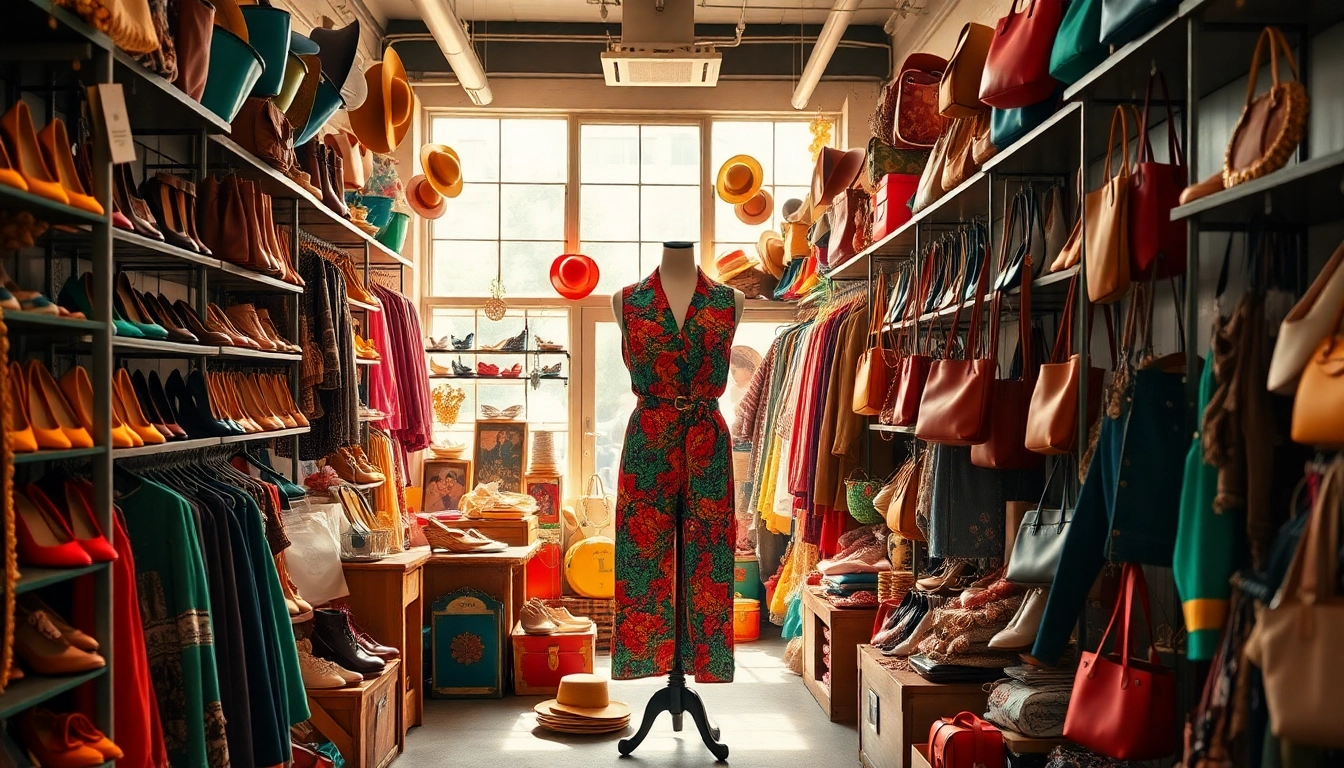
Understanding Vintage Clothing
What Defines Vintage Fashion?
Vintage fashion has become a significant element of contemporary style, primarily characterized by clothing from a previous era. To be classified as vintage, clothing items typically need to be at least 20 years old but can extend to pieces as far back as the early 20th century. The charm of vintage clothing lies in its history and uniqueness, often showcasing the craftsmanship and styles unique to the era they represent. This distinctiveness allows for personal expression as wearers can curate wardrobes that reflect not only trends but personal tastes influenced by history and culture.
The Evolution of Thrift Culture
Thrift culture has historical roots intertwined with economic necessity and social movements. What began as a practical means to access affordable clothing has transformed into a vibrant subculture that celebrates sustainability and individuality. The rise of thrift shops and secondhand stores throughout the decades reflects changing attitudes towards consumption and waste. Initially embraced for their affordability, these shops are now recognized for their role in promoting ethical fashion practices and eco-friendly lifestyles.
The 21st century brought a renewed interest in thrift shopping, fueled by a desire for unique, sustainable, and affordable fashion. This shift is exemplified in the modern thrift craze, wherein thrifting is seen as a fashionable way to cultivate an original style while simultaneously supporting local economies and environmental sustainability.
Benefits of Choosing Vintage Over Fast Fashion
Opting for vintage clothing offers a multitude of benefits that extend beyond mere aesthetics. Firstly, vintage clothing often boasts superior quality compared to fast fashion alternatives, which are typically produced hurriedly and at lower costs. Vintage garments were often crafted from durable materials with meticulous attention to detail, making them long-lasting in wearability. Additionally, by choosing vintage, consumers actively participate in reducing the demand for new garment production, thus minimizing environmental impacts associated with fast fashion, such as water consumption, carbon emissions, and textile waste.
Moreover, vintage shopping promotes individual style. With one-of-a-kind pieces at thrift stores, shoppers can create unique outfits that defy the homogenization often found in contemporary fashion trends. Embracing vintage allows for personal expression while supporting sustainable practices, making it a rewarding choice for conscientious consumers.
Shopping at https://thrift-vintage.com
Guidelines for Successful Thrifts
Shopping for vintage clothing can be an exciting adventure, but it requires some strategy to navigate effectively. Here are several key guidelines for ensuring a successful thrifting experience:
- Set a Budget: Before embarking on your thrifting journey, it’s wise to determine a budget to help you avoid overspending.
- Know Your Styles: Familiarize yourself with the types of vintage clothing that resonate with you. Understanding your preferred fabrics, colors, and fits will guide your selections and make the process more enjoyable.
- Inspect Quality: Evaluate each item for wear and tear, checking seams, linings, and overall construction. High-quality vintage pieces will hold up better over time.
- Be Patient and Persistent: Thrifting is often hit or miss. Be prepared to sift through many items before finding that perfect piece.
How to Identify Quality Vintage Pieces
Identifying quality vintage garments involves honing your eye for detail and familiarity with materials. Here are several markers to look for:
- Fabric Content: Natural fibers such as cotton, silk, and linen typically indicate quality. Retro fabrics can stand the test of time better than synthetic alternatives.
- Brand and Tags: Labels can provide insights into the garment’s quality. Renowned vintage brands are often made with better craftsmanship and finer materials.
- Construction Details: Examine stitching, linings, and closures. High-quality vintage items often feature intricate details, such as hand-stitching and sturdy zippers.
Navigating Online Vintage Shopping Experience
The online shopping landscape has revolutionized how we access vintage clothing. When navigating online vintage shops, including https://thrift-vintage.com, consider these tips:
- Read Descriptions Carefully: Pay close attention to item descriptions, sizing charts, and care instructions to ensure satisfaction upon arrival.
- Look for Return Policies: Reputable sellers often provide return policies. Familiarize yourself with these policies to avoid potential headaches.
- Utilize Filters: Use search filters on websites to refine by size, type, style, and price to streamline your shopping experience.
Sustainable Practices in Thrifting
The Role of Thrift Shops in Sustainability
Thrift stores are more than just shopping venues; they serve as critical players in the push for sustainable living. Thrift shops help divert clothing from landfills which are often filled with discarded textiles, contributing to significant environmental damage. By encouraging the reuse and recycling of clothing, these stores advocate for an environmentally friendly approach to fashion.
Additionally, thrift shops typically engage in community-related initiatives, donating proceeds to local charities or providing job training programs. This social aspect further enhances their role in promoting sustainability and community support.
Upcycling: Turning Thrifted Items into Unique Fashion
Upcycling represents an innovative way to extend the life of thrifted garments. By repurposing old items into something new, individuals can cultivate unique fashion statements while contributing positively to the environment. Common upcycling practices include:
- Tailoring: Adjusting the fit of vintage garments can modernize the piece and ensure it complements the wearer’s body shape.
- Mixing Fabrics: Combining different vintage pieces can create fresh outfits that celebrate individuality.
- DIY Accessories: Transform thrifted items into accessories, from patchwork bags to embellished shoes, allowing for endless creative possibilities.
Supporting Local Artisans Through Thrift
Supporting thrift shops often means supporting local artisans as well. Many thrift stores collaborate with local artisans to upcycle or redesign clothing, giving new life to forgotten pieces while boosting the local economy. By purchasing from these shops, consumers contribute to a cycle of creativity and sustenance that promotes both fashion and entrepreneurship within their communities.
Top Vintage Trends to Follow
Iconic Styles Making a Comeback
Vintage styles are frequently revisited in the fashion world, with various trends making resurgences. Some noteworthy iconic styles include:
- 70s Boho: Characterized by wide-leg trousers, flowing maxi dresses, and earthy color palettes, this trend appeals to the romantic and free-spirited.
- 80s Power Dressing: Bold shoulder pads, vivid colors, and oversized silhouettes encapsulate the essence of this era, appealing to those who wish to embody confidence and flair.
- 90s Grunge: Flannel shirts, combat boots, and distressed jeans embody a rebellious spirit, perfect for modern interpretations and casual layering.
Seasonal Vintage Fashion Trends
As seasons change, so do fashion trends. Retro styles can easily transition between seasons with proper layering and accessorization. In the winter, consider layering vintage sweaters over dresses or using vintage coats to add texture and warmth, while summer can feature lightweight vintage dresses paired with modern accessories for balanced aesthetics. Observing seasonal changes allows for continuous exploration and experimentation with vintage collections.
How to Incorporate Vintage into Everyday Wear
Integrating vintage clothing into daily outfits can be seamless and stylish. Here are some tips for incorporating vintage pieces into modern wardrobes:
- Start Small: If you’re new to vintage, begin with smaller items such as accessories or layering pieces.
- Blend with Modern Styles: Pair vintage items with contemporarily styled clothing to create a balanced look that feels fresh.
- Experiment with Patterns: Combining vintage patterned pieces with solid colors can create vibrant and lively outfits.
Community and Events in the Vintage World
Thrift Meets Community Service
Thrift shops and vintage markets often foster community-driven initiatives. By hosting clothing swaps, donations drives, and workshops, these events not only promote thrift culture but also engage local populations. This sense of community not only enhances the shopping experience but also builds rapport among thrifters, resulting in a supportive network that cherishes sustainable living and shared fashion values.
Upcoming Vintage Markets and Events
Many cities host vintage markets and pop-up events throughout the year, providing opportunities for thrifters to explore curated vintage collections. Shopping at these events exposes individuals to unique and high-quality items while supporting small businesses. Furthermore, the interactive nature of these events allows for social engagement and the sharing of thrifting tips among enthusiasts.
Online Communities and Resources for Vintage Lovers
For those passionate about vintage fashion, numerous online communities and resources exist to facilitate discussions and share inspiration. These platforms offer forums for buying, selling, and interacting with vintage lovers:-
- Social Media Platforms: Platforms like Instagram and Pinterest serve as visual catalogs for fashion inspiration and trend spotting.
- Online Forums: Websites and groups dedicated to vintage lovers provide spaces for sharing stories, advice, and sales amongst members.
- Blogging Communities: Fashion bloggers often delve into vintage storytelling, discussing their discoveries and how to style their finds, providing insights and enjoyment for readers.