 admin
admin 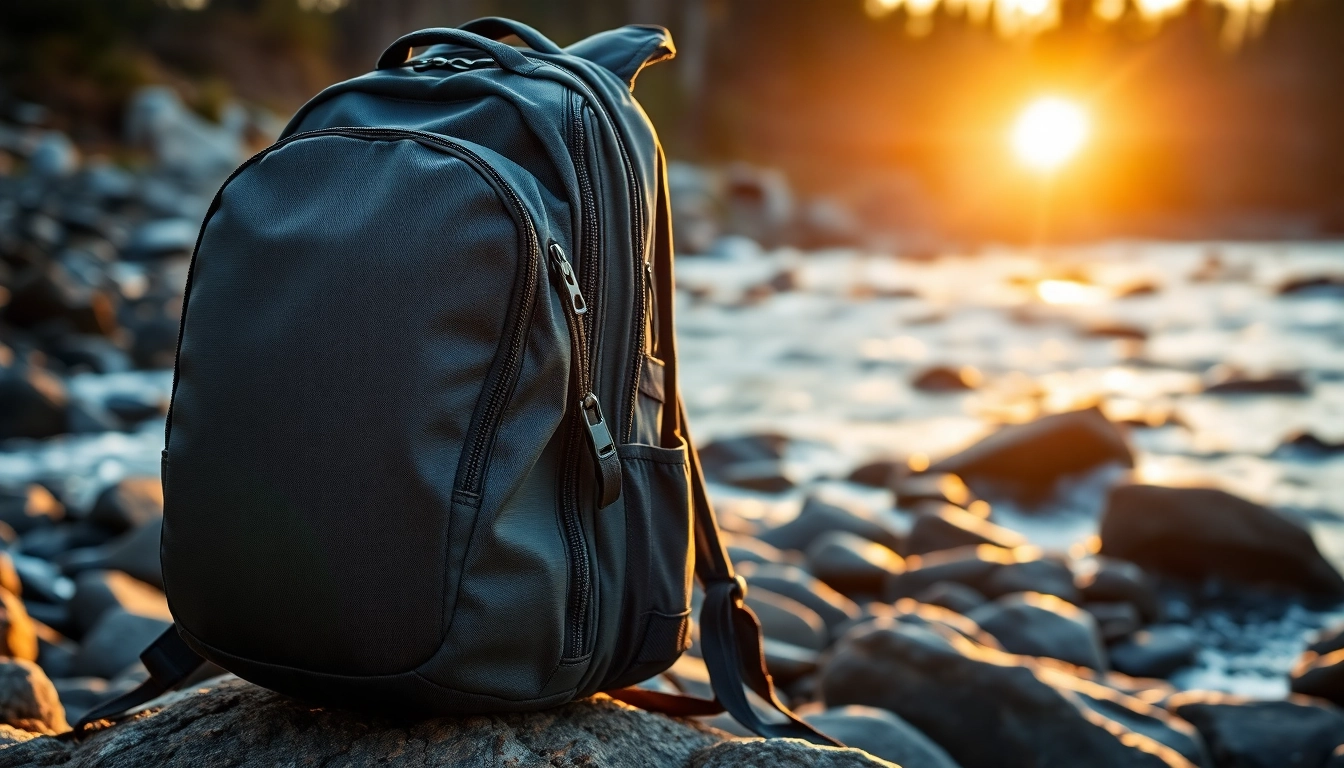
Understanding the Basics of Fly Fishing Backpacks
A Fly fishing backpack is an essential piece of equipment for both novice and experienced anglers. It not only holds your various fishing gear but also enhances mobility and organization on the water. As fly fishing continues to gain popularity, understanding the features and types of backpacks designed specifically for this activity becomes paramount for any angler looking to improve their experience.
What is a Fly Fishing Backpack?
A fly fishing backpack is designed specifically to carry the unique tools and supplies needed for fly fishing. This includes space for fishing rods, fly boxes, tippets, leaders, snacks, and personal items. Unlike traditional backpacks, which may be too bulky or not waterproof, fly fishing backpacks are tailored to meet the needs of fishermen, often featuring compartments for organizing gear effectively, hydration systems, and breathable materials for comfort.
Key Features to Look For
When selecting a fly fishing backpack, certain features can make a significant difference:
- Water Resistance: Look for materials that are waterproof or water-resistant to protect your gear against rain or accidental submersions.
- Comfort: Ergonomic design, padded straps, and back panels help ensure comfort during long days on the water.
- Storage Options: Numerous pockets and compartments are essential for keeping your gear organized and accessible.
- Attachments: Features such as rod holders, net holders, and attachment points for other gear can be incredibly useful.
Types of Fly Fishing Backpacks
There are several types of fly fishing backpacks tailored to specific needs:
- Daypacks: Suitable for short trips, these backpacks are compact, lightweight, and often come with basic organizational features.
- Expedition Packs: Designed for multi-day trips, these feature extensive storage options and often accommodate sleeping gear and food supplies.
- Hydration Packs: These specialized packs come with integrated reservoirs for easy access to water, ideal for long fishing sessions.
Assessing Your Needs for a Fly Fishing Backpack
Before purchasing a fly fishing backpack, consider various factors that will affect your choice:
Day Trips vs. Extended Expeditions
The duration of your fishing trips greatly influences the type of backpack you’ll need. For day trips, a smaller, lighter pack with minimal space for essentials should suffice. However, if you’re planning extended excursions, prioritize durability and storage capacity to accommodate all necessary items, including food and personal gear.
Water Resistance and Durability
The environment in which you fish plays a critical role in your choice of backpack. If you’re often facing the elements or fishing in unpredictable conditions, opt for a fully waterproof design to ensure that your equipment remains dry, regardless of the circumstances.
Weight and Comfort Considerations
Comfort is crucial for prolonged use. A backpack that weighs too much can lead to fatigue. Check for adjustable straps and padded areas that mold to your body shape, ensuring comfort without sacrificing durability.
Top Features of a Quality Fly Fishing Backpack
Quality backpacks typically incorporate several standout features that enhance usability:
Organization and Storage Options
Quality backpacks will have a variety of pockets tailored to different gear. Some models have specialized compartments for fly boxes, while others can securely hold your fishing rod and tools. Openings with easy access to tackle and gear can save time when you need them most.
Built-in Rod Holders and Other Accessories
Many fly fishing backpacks come equipped with integrated rod holders. This feature allows you to carry your rod securely while keeping your hands free, which can be a massive advantage when hiking to remote locations. Furthermore, accessory loops can hold nets, forceps, or additional gear.
Ergonomics and Fit
Look for a backpack that features adjustable straps, ventilation, and padding that matches your body type. The right fit will affect your mobility and comfort throughout the day.
Comparing Popular Fly Fishing Backpack Models
When it comes to selecting the right pack, consider both budget and quality:
Best Budget-Friendly Options
Several affordable options provide excellent value without compromising on essential features. Look for less known brands that emphasize quality construction and functional design. These packs often incorporate critical elements like comfort and accessibility, essential for any angler.
High-End Choices for Serious Anglers
If you’re an avid angler, investing in a top-tier backpack can provide advanced features like waterproof zippers, specialized compartments for advanced gear, and super lightweight materials. These models often come with extensive warranties or promises of durability.
Ratings and Reviews
Before finalizing your choice, read reviews and ratings from fellow anglers. Shared experiences can reveal insights about comfort, functionality, and overall satisfaction. Look for consistency in feedback across various platforms to gauge reliability.
Maintenance and Care for Your Fly Fishing Backpack
Your fly fishing backpack deserves proper care to extend its lifespan:
Cleaning Your Backpack
Regularly cleaning your backpack after fishing trips is crucial. Use mild soap and water to clean the exterior and let it air dry completely to avoid mildew or odor. Additionally, spot cleaning straps and compartments greatly aids in maintaining your pack’s appearance.
Inspecting for Damage
Before and after your fishing seasons, take time to inspect your backpack for any signs of wear or damage. Pay particular attention to straps, zippers, and fabric integrity. Early repairs can save you from major problems later.
Proper Storage Techniques
When not in use, store your backpack in a cool, dry place out of direct sunlight. Having it packed lightly can help maintain its shape and prolong fabric integrity. Avoid placing heavy items on top of it to prevent any misshaping.
FAQs about Fly Fishing Backpacks
1. What should I consider when buying a fly fishing backpack?
Consider size, storage options, comfort, weight, and water resistance based on your specific fishing needs.
2. Are all fly fishing backpacks waterproof?
No, not all are waterproof. Choose one with solid waterproof materials if you often fish in wet conditions.
3. What features are essential for extended trips?
Look for durability, ample storage, water resistance, and comfortable straps for long days on the water.
4. How often should I clean my backpack?
Clean your backpack regularly, especially after each fishing trip, to maintain its condition and functionality.
5. Can I use a regular backpack for fly fishing?
While it’s possible, a fly fishing backpack offers specialized features like rod holders and water resistance that regular backpacks lack.