
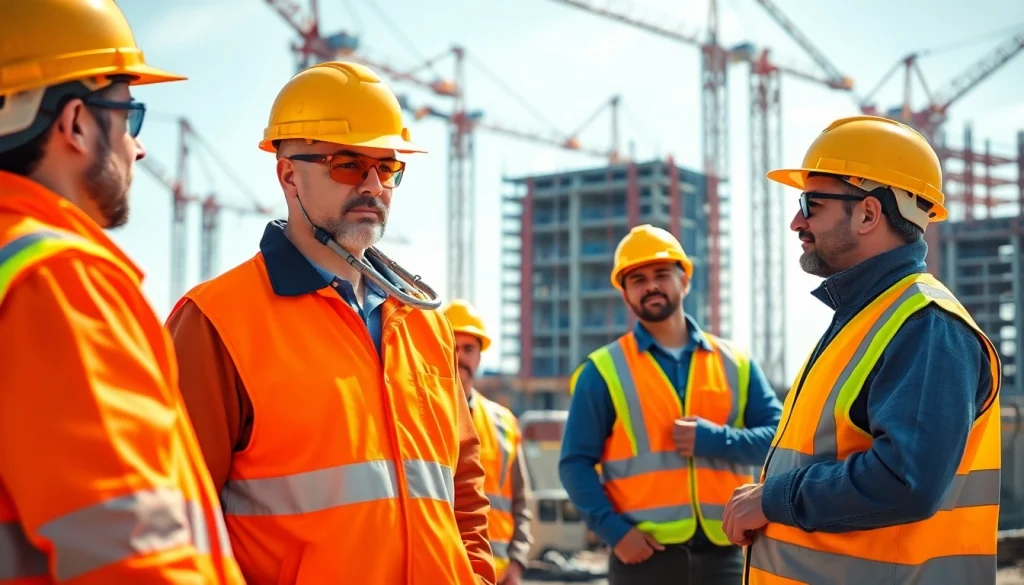
Understanding Construction Site Safety
Construction site safety is a critical aspect of the building industry that ensures the protection of workers, visitors, and the surrounding community. Implementing comprehensive safety measures not only protects lives but also prevents costly delays and supports compliance with regulatory standards. With numerous hazards present on job sites, understanding the nuances of construction site safety is vital for all stakeholders involved in the construction process. For detailed insights into enhancing construction site safety, let’s delve into its significance, the common hazards encountered, and essential terminology.
Importance of Site Safety Regulations
Site safety regulations serve as a foundation for operational standards across construction sites. These regulations are designed to mitigate risks, ensuring that safety protocols are in place to protect workers from hazardous conditions. Compliance with safety regulations is not just a legal obligation but a moral imperative that prioritizes the well-being of workers. By adhering to these regulations, construction firms can reduce incidents of injury, minimize legal liabilities, and foster a culture of safety that resonates throughout the organization.
Common Hazards at Construction Sites
Construction sites are rife with potential hazards that can lead to serious injuries and fatalities. Understanding these risks is crucial for implementing effective safety measures. Here are some common hazards:
- Falls: One of the leading causes of injuries on construction sites, falls can occur from heights or due to slippery surfaces.
- Electrocution: Working near electrical lines or with faulty equipment can pose significant electrocution risks.
- Struck-by Objects: Workers may be injured by falling tools, equipment, or materials that are not secured.
- Caught-in/Between Hazards: This occurs when workers are caught or crushed between equipment and structures.
- Repetitive Motion and Ergonomic Hazards: Tasks that require prolonged repetitive movements can lead to musculoskeletal disorders.
Key Safety Terminology Explained
Familiarity with important safety terminology helps workers understand and communicate safety standards effectively. Here are some key terms:
- PPE (Personal Protective Equipment): Gear designed to protect workers from various hazards.
- Risk Assessment: The process of identifying potential hazards and mitigating them.
- Safety Data Sheets (SDS): Documents that provide information on the properties of hazardous substances.
- Inspection: The examination of equipment and sites to ensure compliance with safety standards.
Best Practices for Ensuring Construction Site Safety
Regular Safety Training Programs
Implementing regular safety training programs is essential for maintaining a safe work environment. These programs educate workers on the risks associated with their tasks and impart the necessary skills to manage those risks. Key components of effective training include:
- Assessment of existing knowledge to tailor training content.
- Hands-on workshops that emphasize the practical application of safety measures.
- Continuous education to stay updated with the latest safety practices and regulations.
Utilizing Personal Protective Equipment (PPE)
The proper use of Personal Protective Equipment (PPE) is crucial on construction sites, as it acts as the last line of defense against workplace hazards. Employers must provide adequate PPE and ensure its proper usage by educating workers on how to select, wear, and maintain this equipment. Common PPE items include helmets, gloves, goggles, and harnesses. Regular inspections of PPE are also necessary to ensure their effectiveness and safety.
Conducting Risk Assessments
Risk assessments are integral to identifying and mitigating potential hazards before they lead to incidents. This process involves systematically evaluating the risks associated with a project, which includes:
- Identifying potential hazards in the workplace.
- Determining who might be harmed and how.
- Evaluating existing safety measures and determining if they are sufficient.
- Implementing additional controls as necessary to eliminate or reduce risks.
Innovative Technologies and Construction Site Safety
Use of Drones for Site Monitoring
In recent years, drones have emerged as a transformative technology in construction site management. They can be used for aerial site monitoring, giving safety managers a comprehensive view of potential hazards and enabling timely interventions. Drones enhance site inspections by:
- Providing real-time data on site conditions.
- Identifying unsafe practices from a bird’s-eye view.
- Facilitating detailed surveys that help avoid physical hazards on the ground.
Wearable Tech for Real-Time Safety Alerts
Wearable technology continues to gain traction in enhancing construction site safety. Devices such as smart helmets and vests equipped with sensors can monitor environmental conditions and worker health. These technologies provide real-time alerts for potential hazards, allowing workers to react promptly. Benefits of wearable tech include:
- Data collection for performance analytics and safety interventions.
- Monitoring worker vitals to detect fatigue or medical emergencies.
- Facilitating communication in hazardous environments.
Software Solutions for Safety Management
Software solutions play a pivotal role in streamlining safety management processes. Modern applications can help project managers track compliance, document incidents, and facilitate communication among stakeholders. Key functionalities include:
- Centralized data management for easy access to safety records.
- Automated incident reporting to speed up response times.
- Analytics to identify trends and improve safety protocols proactively.
Emergency Procedures and Construction Site Safety
Planning for Accidents and Emergencies
Preparedness is paramount for effective construction site safety management. Comprehensive emergency planning involves establishing clear protocols that must be well-documented and accessible to all personnel. This includes:
- Emergency response plans that outline steps to take in case of an incident.
- Regular emergency drills to ensure all workers are familiar with procedures.
- Designating safety officers to lead emergency efforts and provide guidance.
Communication Strategies on Site
Effective communication is a cornerstone of construction site safety management. Implementing structured communication strategies ensures that safety information is relayed clearly and promptly. Important strategies include:
- Using visual aids, such as signage, to reinforce safety messages.
- Establishing regular safety briefings to discuss updates and concerns.
- Encouraging open dialogue amongst workers to report hazards without fear.
Post-Incident Review and Improvements
After an incident occurs, conducting a detailed review is crucial to understanding its causes and preventing future occurrences. This process includes:
- Analyzing the events leading up to the incident and identifying failures in safety protocols.
- Gathering insights from all workers involved to gain various perspectives.
- Implementing changes based on the findings and communicating them to the entire team.
Measuring Construction Site Safety Effectiveness
Key Performance Indicators for Safety
To gauge the effectiveness of safety measures, construction firms should establish Key Performance Indicators (KPIs). These metrics can help in assessing the overall safety performance and areas needing improvement, such as:
- Incident rates, including the number of injuries and fatalities.
- Frequency of safety training sessions held.
- Compliance rates with safety inspections and audits.
Feedback Loops for Continuous Improvement
Establishing feedback loops is a powerful method to ensure continuous improvement in construction site safety practices. Regular feedback from workers allows management to identify and address potential issues early. Some effective strategies to create feedback loops include:
- Conducting regular safety surveys among the workforce.
- Setting up a suggestion box system for anonymous input on safety concerns.
- Holding safety debriefs after projects to learn lessons for future initiatives.
Case Studies of Effective Safety Implementation
Learning from case studies can provide valuable insights into effective construction site safety strategies. Successful implementations often showcase innovative techniques and practices. Examples might include:
- A construction firm that significantly decreased fall incidents by introducing advanced harness systems.
- Projects that improved hazard communication through comprehensive signage and training programs.
- Utilizing drone technology to enhance site inspections and identify risk areas before work commenced.
Frequently Asked Questions (FAQs)
What are the most common hazards on construction sites?
The most common hazards include falls, electrocution, being struck by objects, caught-in/between hazards, and ergonomic issues.
Why is safety training important for construction workers?
Safety training equips workers with knowledge and skills to identify and mitigate hazards, promoting safer work environments and reducing accidents.
How often should safety training be conducted?
Safety training should be continuous, with regular sessions held annually or whenever new hazards are introduced or regulations change.
What role does PPE play in construction safety?
PPE acts as essential protection against specific hazards, minimizing injury risk and helping to ensure workers’ safety on-site.
How can technology improve construction site safety?
Technology can enhance safety by enabling real-time monitoring, improving communication, facilitating training, and analyzing data for better decision-making.